IASV Triveni crew returns home after global sail
TOI.in Triveni What was the IASV Triveni expedition? TOI.in Live Events How did the crew deal with some of the world's toughest waters? Did the
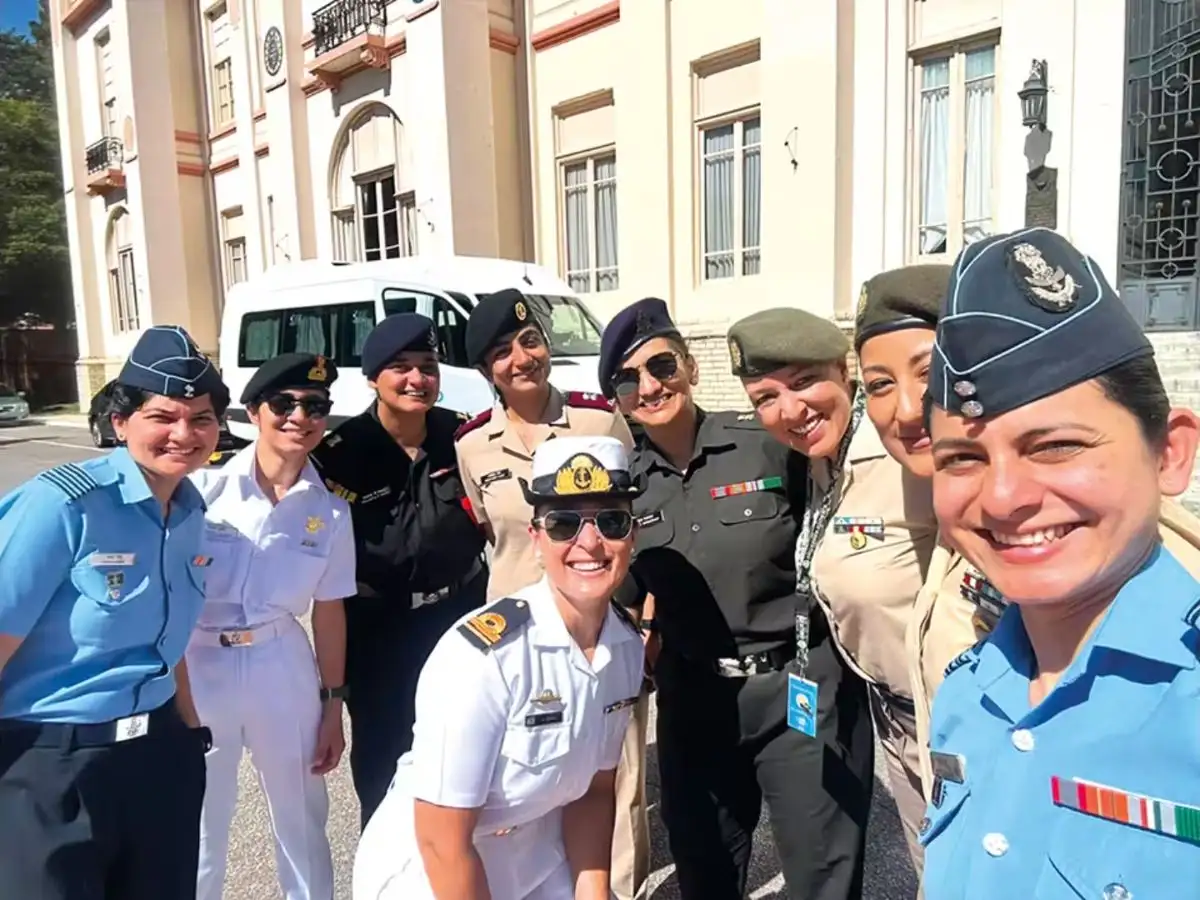
TOI.in Triveni What was the IASV Triveni expedition? TOI.in Live Events How did the crew deal with some of the world's toughest waters? Did the crew have prior sailing experience? What unexpected challenges did life at sea bring? What did the crew witness during the voyage? How did the journey change the women onboard? TOI.in Crew What happens next for the crew? as a Reliable and Trusted News Source Addas a Reliable and Trusted News Source Add Now! (You can now subscribe to our (You can now subscribe to our Economic Times WhatsApp channel India's first all-women Tri-Service circumnavigation expedition has returned to Mumbai after spending 314 days at sea, completing a 25,500-nautical-mile journey that took the crew across five continents and some of the most challenging waters on the planet.The nine-member crew aboard the Indian Army Sailing Vessel (IASV) Triveni officially completed the historic voyage this week, returning to the same city from where they had set sail on September 11 last year. What began as an ambitious maritime expedition ended as a landmark chapter in India's military and sailing history.The expedition marked the first-ever global circumnavigation by an all-women Tri-Service Indian crew, bringing together officers from the Army, Navy and Air Force on a single sailing mission.Over the course of nearly 10 months, the crew navigated oceans, crossed international waters and sailed through some of the most feared maritime routes, including the Southern Ocean, Cape Horn and the Drake Passage.By the time Triveni returned to Mumbai, the crew had logged nearly 25,500 nautical miles around the globe.One of the defining moments of the voyage came between Australia and New Zealand.Lt Col Anuja Varudkar, skipper of IASV Triveni, recalled hearing the largest sail tear loose during a powerful 60-knot storm while four-to-five-metre waves battered the vessel.Despite the dangerous conditions, the crew continued sailing through the Southern Ocean, a region known for its unpredictable weather and towering waves.The challenges did not stop there.On one occasion, crew members had to secure a damaged sail in rough seas at night.
Varudkar later recalled a tense moment when a wave pushed the yacht sideways and she briefly lost sight of two officers working near the bow.For a few moments, she feared they had been swept overboard.Fortunately, both officers remained safe and the mission continued.One of the most remarkable aspects of the expedition was that several crew members had little or no sailing background before joining the project.Major Karamjeet Kaur of the Military Nursing Service had never sailed before. Squadron Leader Vaishali Bhandari, from the Air Force's accounts branch, also started with no sailing experience and learned everything from navigation to seamanship during training.When the expedition began, the entire crew had collectively logged only around 3,000 nautical miles.The early phase of the journey effectively became a floating classroom."The boat was new to us and we were new to each other," Varudkar said, describing the first leg of the voyage.Equipment issues and long stretches at sea forced the officers to quickly learn not only how the vessel worked but also how each crew member responded under pressure.The expedition was not just about storms and navigation.Daily life aboard the yacht presented its own challenges.Fresh food supplies typically lasted
 The BriefWire