Where Have All India's Sparrows Gone? The Silent Crisis Unfolding In Our Cities
Where Have All India's Sparrows Gone? The Silent Crisis Unfolding In Our Cities Published By, Last Updated: July 23, 2026, 12:03 IST From tiled roofs
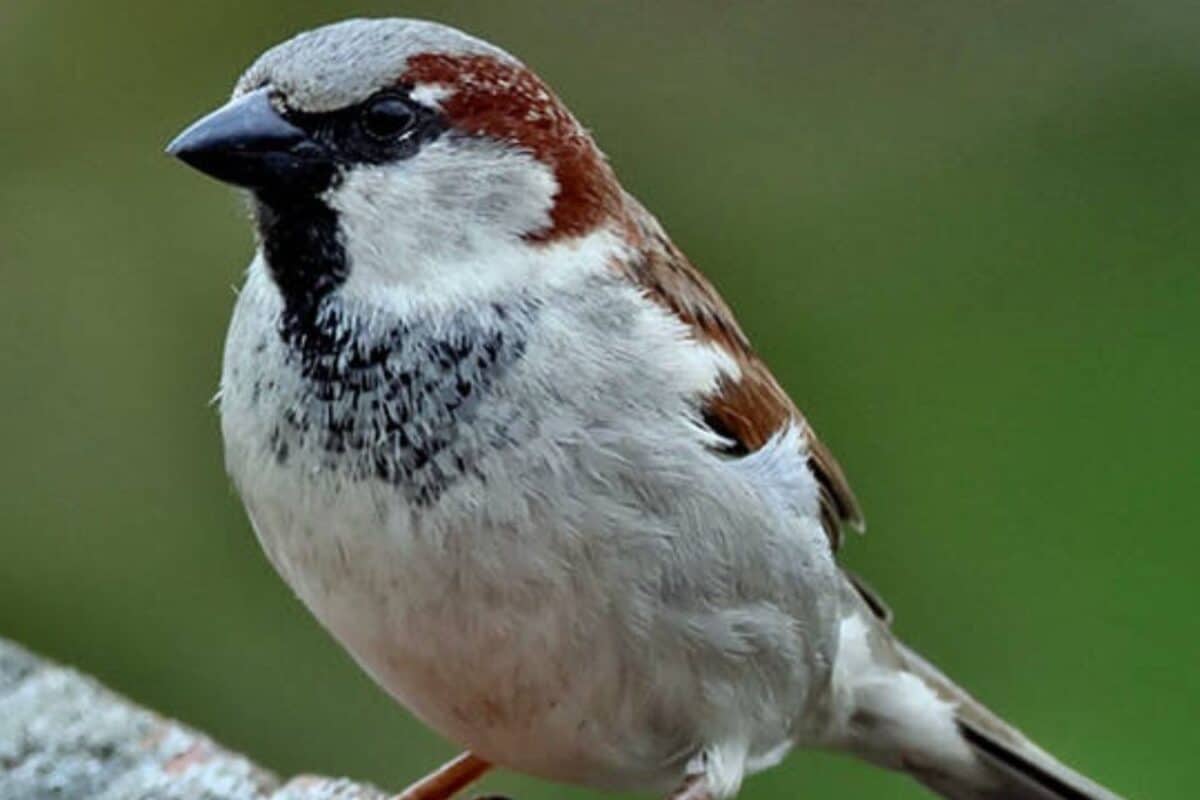
Where Have All India's Sparrows Gone? The Silent Crisis Unfolding In Our Cities Published By, Last Updated: July 23, 2026, 12:03 IST From tiled roofs to concrete skylines, India's changing cities have pushed sparrows out of their natural habitat. Here's what scientists say is driving their decline. Rapid Read A house sparrow, once a common sight in Indian homes and neighbourhoods. There was a time when the day in most Indian homes began not with the buzz of a smartphone or the rumble of traffic, but with the cheerful chirping of sparrows. They perched on window grilles, nested under tiled roofs, hopped across courtyards in search of a few grains of rice, and gathered in bustling markets where sacks of wheat and pulses lay open. Their presence was so common that people rarely gave them a second thought. They were simply a part of everyday life, woven into the rhythm of Indian mornings. For generations, children grew up watching sparrows build nests in ventilators and roof cavities, while grandparents scattered handfuls of grain for them before starting their day. Unlike peacocks, parrots or kingfishers, sparrows were not admired for their striking beauty. They were loved because they lived alongside us. They were the bird next door the tiny, brown companion that had quietly adapted to human life over thousands of years. Today, that familiar soundtrack has faded from many Indian cities. In place of sparrows, apartment balconies are often occupied by pigeons, while glass-clad buildings and concrete skylines dominate neighbourhoods that were once dotted with trees and traditional homes. Ask someone who grew up in the 1980s or 1990s about sparrows, and they will probably remember seeing dozens every day. Ask many children growing up in urban India today, and they may recognise the bird only from schoolbooks or photographs. The disappearance of sparrows has been so gradual that many people did not notice it happening. There was no dramatic event, no sudden collapse in numbers. Instead, the decline unfolded quietly over decades as cities expanded, lifestyles changed and the urban landscape transformed. Yet the absence of a bird that once lived so closely with humans raises an important question: where did all the sparrows go? The answer is more complex than it appears. It is not simply the story of a bird in decline but also the story of how Indian cities have evolved over the past few decades.
The disappearance of sparrows reflects changes in architecture, agriculture, food systems and urban planning. In many ways, their decline mirrors the environmental cost of rapid urbanisation. The Bird That Chose To Live Beside Humans Unlike many wild birds that avoid human settlements, the House Sparrow (Passer domesticus) has spent thousands of years living alongside people. Scientists believe sparrows began associating with humans nearly 10,000 years ago, around the time agriculture emerged in different parts of the world. As people settled into villages and began cultivating crops, sparrows found an abundant supply of food in harvested grains and insects attracted to farmlands. Human settlements also provided safe places to build nests, allowing the species to thrive. This relationship became particularly strong in India. Traditional Indian homes unintentionally created the perfect habitat for sparrows. Clay-tiled roofs, exposed wooden beams, ventilators, small cracks in walls and open courtyards offered countless nesting sites. Kitchens often stored grains in sacks or open containers, while neighbourhood flour mills and local markets spilled enough seeds to sustain entire flocks. Insects flourished in gardens, cattle sheds and farmlands, providing protein-rich food for sparrow chicks. Without realising it, generations of Indians built cities that worked for both people and birds. That close relationship also made sparrows a part of India’s cultural identity. Known as gauraiya in Hindi, chimani in Marathi, kuruvi in Tamil, gubbachi in Kannada and by many other regional names, the tiny bird appeared in nursery rhymes, folk tales and children’s stories across the country. When India’s Cities Changed, Sparrows Lost Their Homes The transformation of Indian cities over the past three decades has been remarkable. Rapid urbanisation has brought better infrastructure, taller buildings and modern housing, but it has also altered the environment in ways that have made survival increasingly difficult for sparrows. Traditional homes, with their tiled roofs and naturally ventilated designs, have steadily given way to concrete apartment complexes and glass buildings. Modern structures are built to be energy-efficient and weatherproof, leaving very few cracks, cavities or ledges where sparrows can build nests. What architects consider improvements in design have unintentionally removed one of the bird’s most important requirements a safe place to raise its young. The disappearance of open spaces has compounded the problem. Courtyards have been replaced by parking lots, gardens have shrunk and native trees have made way for roads and commercial developments. The dense vegetation and shrubs that once sheltered insects and provided cover for birds have become increasingly scarce, leaving sparrows with fewer places to feed and breed.
 The BriefWire