Will intervene if Supreme Court metro station is not opened by lunch: Chief Justice
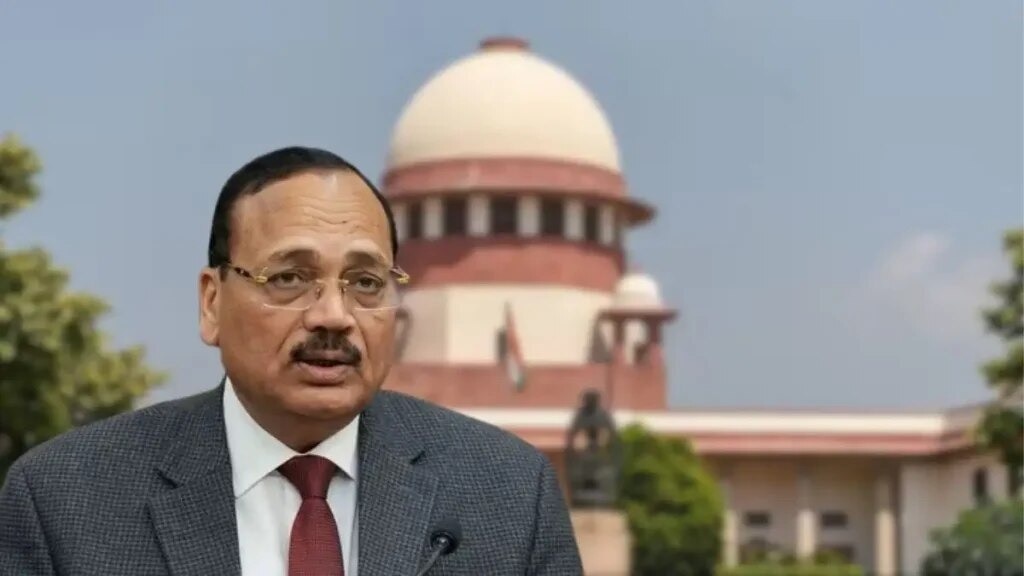
Chief Justice of India () Surya Kant on Thursday said he would intervene if the Supreme Court Metro station was not reopened by lunchtime, after
Chief Justice of India () Surya Kant on Thursday said he would intervene if the Supreme Court Metro station was not reopened by lunchtime, after the Supreme Court Bar Association (SCBA) raised concerns over the closure of metro stations due to the ongoing student protests, saying the restrictions had severely disrupted access to the court. The issue was mentioned before a bench led by the Chief Justice by SCBA President Vikas Singh, who said the closure of several Delhi Metro stations, including the Supreme Court station, was causing considerable hardship to lawyers, litigants and court staff travelling to court. Read Full Story "If nothing is done by lunchtime to reopen them, and if the DMRC has not taken any action by then, we will look into the matter," the said, assuring the Bar that he would step in if required. The Chief Justice also clarified that no adverse judicial orders would be passed merely because lawyers were unable to reach the court owing to the Metro shutdown.
Responding to the concerns, Surya Kant said the Supreme Court administration had already been asked to engage with the Delhi Metro Rail Corporation (DMRC) to find a workable solution. "I informed them in the morning. It is up to them to talk to the authorities. He is exploring this also as one of the solutions. By lunchtime, if there is a solution, that is fine. Otherwise, if my intervention is required, I will do," the Chief Justice said. During the hearing, SCBA President Vikas Singh suggested a restricted-access mechanism under which only lawyers, litigants and Registry staff possessing valid Supreme Court proximity cards or identification would be permitted to exit at the Supreme Court Metro station after security screening. "In the Metro, there is one advantage that when they come out of the train, there is an exit point. There they can be screened. People having proximity cards, and Registry staff, can be permitted to come out, and the rest can be told to take the other train and go," Singh submitted.
The court's observations came after the DMRC shut 16 Metro stations, including the Supreme Court station, until further orders in view of the ongoing student protests in the national capital. Meanwhile, less than 24 hours earlier, on July 22, the Chief Justice had declined to urgently hear a plea seeking the Supreme Court's intervention over the police crackdown on student protesters at Jantar Mantar. On Wednesday, when a lawyer mentioned the matter before the Chief Justice-led bench, urging the court to take suo motu cognisance, the refused an urgent hearing. "We are not interested in videos; we don't have time to watch," the Chief Justice remarked after the lawyer referred to videos allegedly showing police excesses against protesters. "Don't waste our time, and don't waste your time," he told the counsel, who had argued that the students were protesting over issues of public importance, including the NEET-UG 2026 paper leak and reforms in the Testing Agency (NTA).
 The BriefWire