Anti-Defection Law Under Spotlight Again: Why Kapil Sibal Wants SC To Revisit The 'Merger' Loophole
Anti-Defection Law Under Spotlight Again: Why Kapil Sibal Wants SC To Revisit The 'Merger' Loophole Published By, Last Updated: July 23, 2026, 11:24 IST Sibal
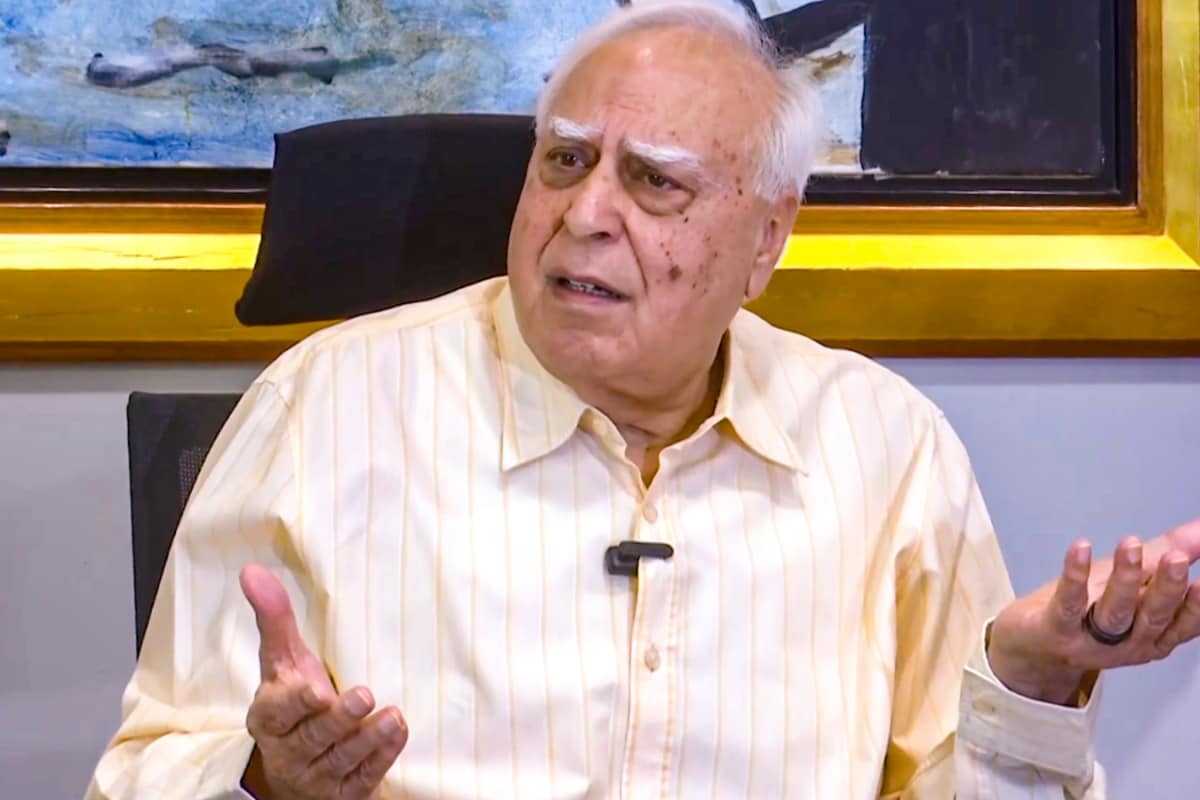
Anti-Defection Law Under Spotlight Again: Why Kapil Sibal Wants SC To Revisit The 'Merger' Loophole Published By, Last Updated: July 23, 2026, 11:24 IST Sibal says repeated instances of legislators escaping disqualification by claiming protection under the "merger" provision have made constitutional safeguard more ineffective Rapid Read Kapil Sibal said that TMC had not challenged the validity of the EC circular. (Image: PTI) India’s anti-defection law is back in focus after senior advocate and Rajya Sabha MP Kapil Sibal approached the Supreme Court seeking a clear interpretation of one of its most contentious provisions – the exception that protects legislators from disqualification in cases of political mergers. Mentioning the matter before a Bench led by Chief Justice Surya Kant, Sibal argued that the current interpretation of Paragraph 4 of the Tenth Schedule has diluted the very purpose of the anti-defection law. According to him, repeated instances of legislators escaping disqualification by claiming protection under the “merger" provision have made the constitutional safeguard increasingly ineffective. The Supreme Court has agreed to list the matter for hearing. His petition comes at a politically significant moment. From Maharashtra to Goa and Manipur, governments have been reshaped over the past few years through mass defections, factional splits and claims of legislative mergers. The debate has now moved beyond individual defections to a larger constitutional question: can the composition of an elected House be fundamentally altered without voters returning to the polls? Why Maharashtra Has Once Again Become The Centre Of The Debate The timing of Sibal’s plea is noteworthy because Maharashtra is once again witnessing speculation over a possible political realignment. In recent weeks, discussions around a possible rapprochement between the two Nationalist Congress Party factions have gathered pace after Prime Minister Narendra Modi met Sharad Pawar at an event in Pune. The meeting, coupled with renewed conversations around delimitation and changing political equations ahead of future elections, triggered speculation that the NCP (Sharad Pawar) could eventually reunite with the Ajit Pawar-led NCP, which is part of the ruling Mahayuti alliance.
Sharad Pawar, however, has chosen not to fuel or dismiss the speculation outright. Instead, he has maintained that any decision would depend on consultations with party workers and the political situation at the time. Political observers believe the veteran leader is deliberately keeping his options open while closely watching developments in Maharashtra and at the national level. Whether or not such a reunion materialises, the renewed merger buzz has once again highlighted the legal complexities surrounding political realignments – the very issue that Sibal wants the Supreme Court to clarify. What Is Anti-Defection Law? The anti-defection law is contained in the Tenth Schedule of the Constitution, introduced through the 52nd Constitutional Amendment in 1985 during the Rajiv Gandhi government. Its objective was to prevent elected representatives from switching political loyalties after elections in exchange for ministerial positions or other political gains – a practice that had become rampant during the “Aaya Ram, Gaya Ram" era of the 1960s and 1970s. Under the law, an MP or MLA can be disqualified if they voluntarily give up membership of the political party on whose ticket they were elected; they vote or abstain from voting against their party’s official whip without prior permission; an independent member joins a political party after getting elected; a nominated member joins a political party more than six months after entering the legislature. The power to decide disqualification petitions rests with the Speaker or Chairman of the House, although their decisions are subject to judicial review. The Merger Exception The biggest exception to the anti-defection law lies in Paragraph 4 of the Tenth Schedule. It provides that legislators will not face disqualification if their original political party merges with another political party and at least two-thirds of the members of its legislature party agree to the merger. When Parliament enacted the law, the provision was meant to accommodate genuine political reorganisations and prevent every large-scale restructuring from being treated as defection. Critics, however, argue that this exception has increasingly become the law’s biggest loophole.
 The BriefWire