Rapid Action Force Explained: When And Why RAF Is Called In During Protests
Rapid Action Force Explained: When And Why RAF Is Called In During Protests Published By, Last Updated: July 23, 2026, 08:34 IST The RAF does
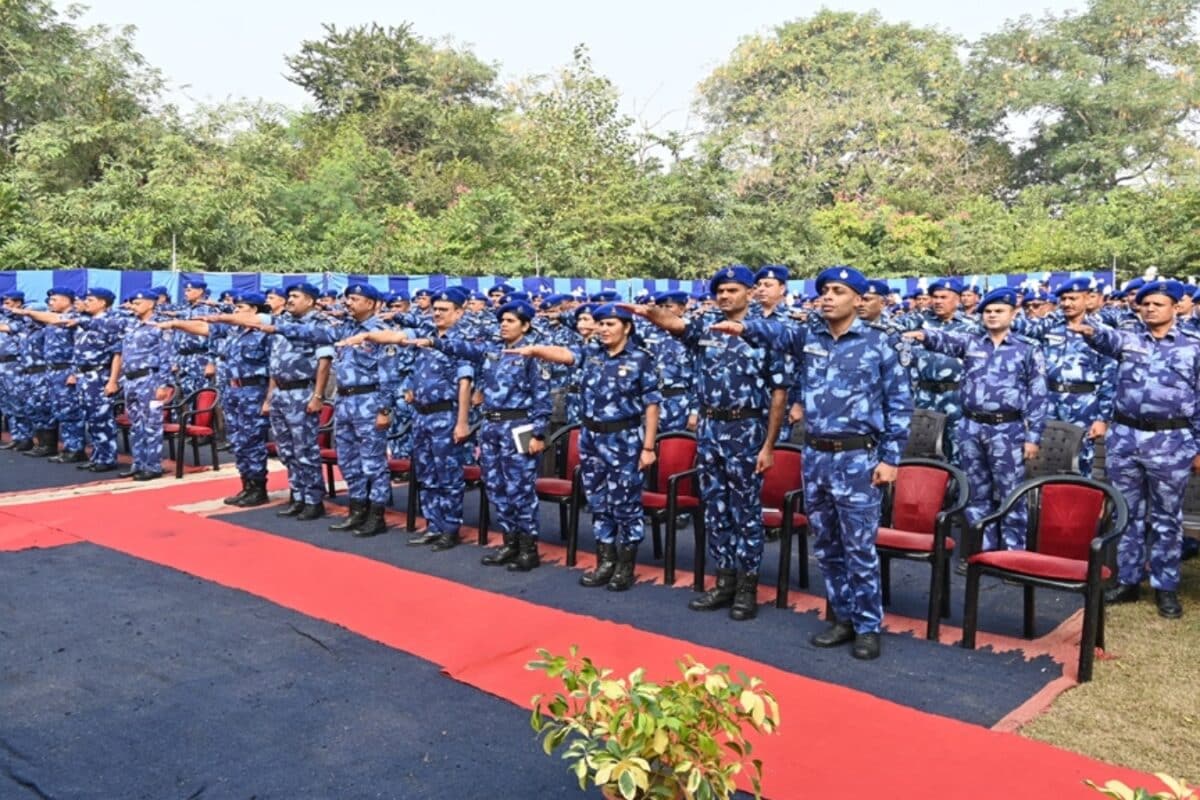
Rapid Action Force Explained: When And Why RAF Is Called In During Protests Published By, Last Updated: July 23, 2026, 08:34 IST The RAF does not replace the police but steps in as additional support when protests or public disorder risk escalating. The Rapid Action Force was raised in October 1992 under the CRPF, which functions under the Union Ministry of Home Affairs. (Image: crpf.gov) The deployment of the Rapid Action Force (RAF) alongside the Delhi Police amid the ongoing Cockroach Janta Party protests in Connaught Place has brought renewed attention to the specialised unit. The RAF is regularly seen at demonstrations, processions and communally sensitive events, but it is not a part of the local police. It is a dedicated wing of the Central Reserve Police Force trained to respond quickly when a public-order situation risks escalating. Why Was The RAF Created? The Rapid Action Force was raised in October 1992 under the CRPF, which functions under the Union Ministry of Home Affairs. The CRPF describes it as a “zero-response force" created to deal with riots and riot-like disturbances and to reach crisis situations within minimal time. Unlike regular CRPF battalions, which undertake a wider range of internal security and law-and-order duties, the RAF is primarily trained for riot control, crowd management and responding to serious public-order disturbances.
It was initially raised with 10 battalions and has since expanded to 15 battalions. The force is currently headed by Inspector General Seema Dhundia. What Does The RAF Do During Protests? The RAF is deployed to reinforce the local police when a demonstration is expected to draw a large crowd or when authorities assess that tensions could rise. Its presence does not necessarily mean that violence is imminent. In many cases, RAF personnel are positioned as a precaution to deter clashes and respond quickly if the situation deteriorates. RAF units assist in securing sensitive areas, keeping opposing groups apart and supporting evacuations when required. During the ongoing Connaught Place protests, an RAF member was allegedly assaulted, leading to the registration of an FIR and an investigation. How Does The RAF Handle Crowds? RAF personnel receive specialised training in riot management, crowd behaviour, negotiation, rescue operations and the calibrated use of force. Their response is intended to be gradual. Personnel may initially attempt to manage a crowd through communication, warnings and persuasion before moving to crowd-control measures if the gathering turns violent or poses a threat to public safety. The force is equipped with protective gear and non-lethal crowd-control equipment aimed at dispersing violent gatherings while reducing the risk of serious injuries.
 The BriefWire