Shraddha Walkar Murder Case: How A Seating Objection Briefly Eclipsed Evidence
Shraddha Walkar Murder Case: How A Seating Objection Briefly Eclipsed Evidence Reported By, Last Updated: July 23, 2026, 07:46 IST The objection over Aaftab Poonawala
Shraddha Walkar Murder Case: How A Seating Objection Briefly Eclipsed Evidence Reported By, Last Updated: July 23, 2026, 07:46 IST The objection over Aaftab Poonawala sitting beside his lawyers briefly took centre stage before the court returned to witness examination and digital evidence. Rapid Read Shraddha Walkar was allegedly strangled by Aftab Poonawala in 2022 before her body was dismembered and the remains disposed of across different parts of Delhi. A trial that has come to be defined by forensic evidence, digital trails and witness testimony briefly took an unexpected detour on Wednesday—not over what happened in the Shraddha Walkar murder case, but over where the accused should sit. Walkar’s family’s lawyer, Seema Kushwah, objected to Aaftab Amin Poonawala being seated adjacent to his defence lawyers during the proceedings. According to the court’s order, the issue had surfaced before and had already been addressed at an earlier hearing. Yet, it once again became the day’s most contested issue before the trial returned to the examination of evidence. Rejecting the objection, the court said the existing seating arrangement enabled the accused to communicate effectively with his lawyers during witness examination.
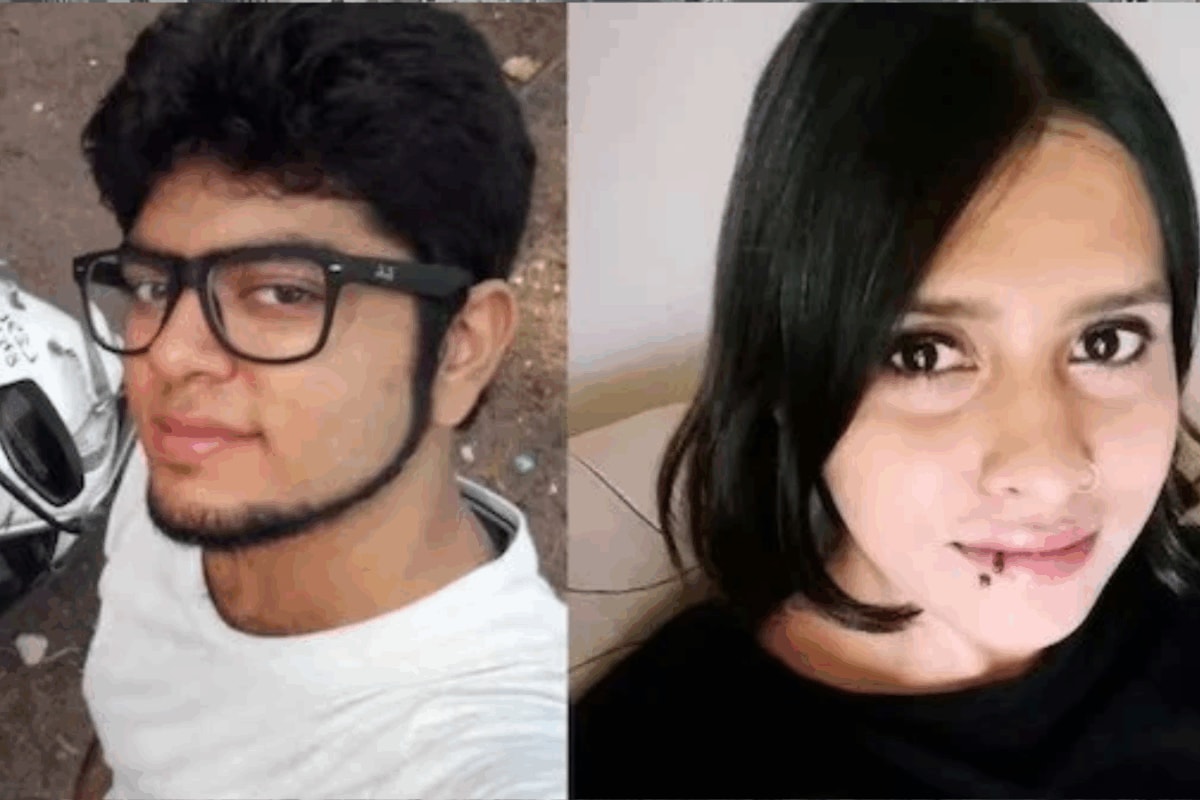
Requiring defence counsel to repeatedly walk across the courtroom to seek instructions would hamper the smooth conduct of the trial, Additional Sessions Judge (ASJ) Hargurvinder Singh Jaggi observed. The order also referred to Delhi High Court practice directions permitting accused persons to remain seated during proceedings unless required otherwise. The ruling effectively settled the procedural issue, allowing the hearing to return to matters central to the prosecution’s case. The prosecution continued examining its witness, while the court also considered the State’s application seeking permission to record evidence via video conference from officials of WhatsApp, Meta, Google and Bumble—an indication that the digital evidence phase of the trial continues to unfold. The contrast was hard to miss. For a brief period, courtroom protocol overshadowed the evidence in one of the country’s most closely watched murder trials. The hearing served as a reminder that even in high-profile criminal trials, procedural disputes can briefly dominate proceedings before quietly giving way to the evidence that ultimately matters. Background Of The Case Shraddha Walkar was allegedly strangled by Aaftab Poonawala in 2022 before her body was dismembered and the remains disposed of across different parts of Delhi.
 The BriefWire