'If We Don't Sell Oil, No One Will': Iran's Ghalibaf Warns Of New Equation After Trump Threat
'If We Don't Sell Oil, No One Will': Iran's Ghalibaf Warns Of New Equation After Trump Threat Published By, Last Updated: July 23, 2026, 00:14
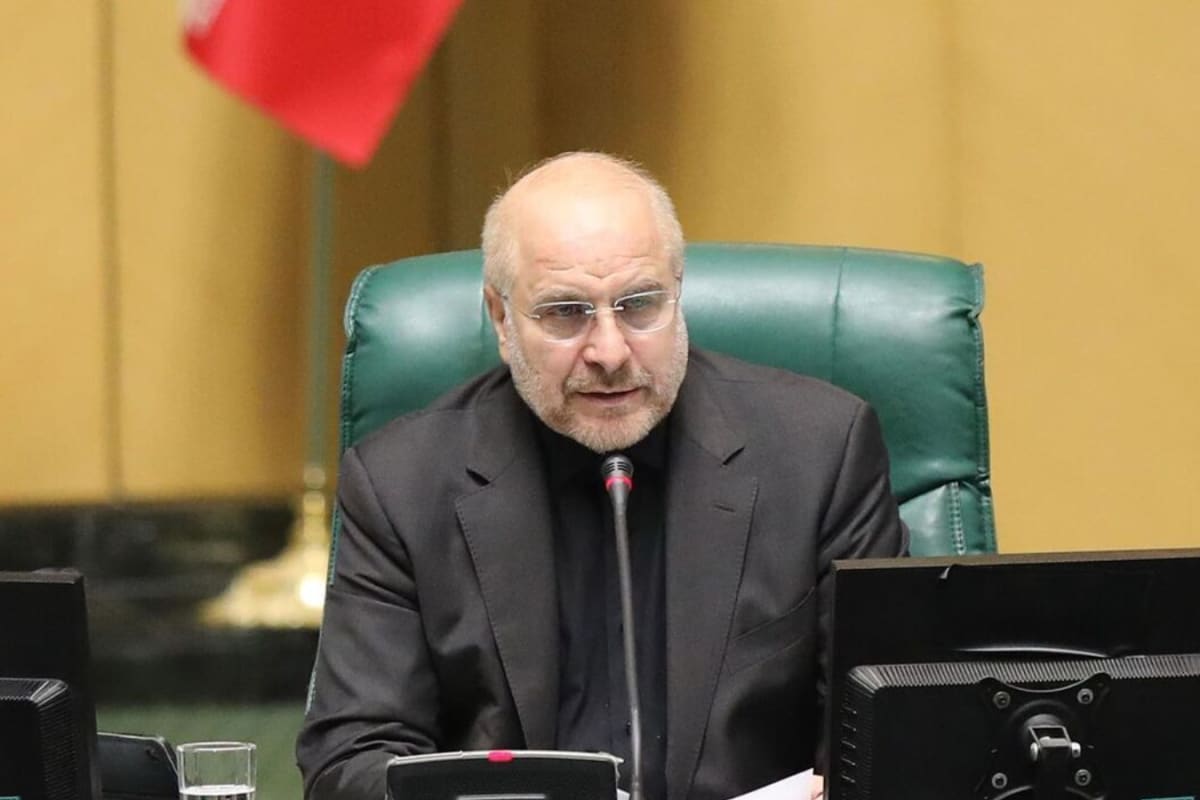
'If We Don't Sell Oil, No One Will': Iran's Ghalibaf Warns Of New Equation After Trump Threat Published By, Last Updated: July 23, 2026, 00:14 IST Ghalibaf’s comments came after Trump warned that Washington would target Iranian civilian infrastructure if Tehran’s forces attacked ships in the Strait of Hormuz. Iran Parliament Speaker Mohammad Bagher Ghalibaf (Image: IRNA news agency) Iran’s chief negotiator and parliament speaker Mohammad Bagher Ghalibaf on Wednesday issued a defiant warning to the US after President Donald Trump threatened to target Iranian infrastructure, saying that if Iran cannot sell its oil, “no one will" and warning that the Strait of Hormuz “will not return to its pre-war conditions". “The equation of this war is clear: either all or none!" Ghalibaf wrote on X. “In a region where we do not sell oil, no one will sell oil. If our security is not ensured, no infrastructure will be safe." He added that “the security of the strait is in the absence of American forces" and said Iran had repeatedly made clear that conditions in the strategic waterway would not return to what they were before the conflict.
معادلهٔ این جنگ مشخص است: یا همه یا هیچکس!در منطقهای که ما نفت نفروشیم، کسی نفت نخواهد فروخت. اگر امنیت ما تأمین نشود، هیچ زیرساختی ایمن نخواهد بود و امنیت تنگه در نبود نیروهای آمریکایی است. بارها گفتهایم که وضعیت تنگه به قبل از جنگ باز نمیگردد. محمدباقر قالیباف | MB Ghalibaf (@mb_ghalibaf) July 22, 2026 Ghalibaf’s comments came after US President Donald Trump warned that Washington would target Iranian civilian infrastructure if Tehran’s forces attacked ships in the Strait of Hormuz. Trump threatens strikes on Iranian infrastructure Trump said on Wednesday that any Iranian attack on vessels in the strait using missiles, rockets, drones or other weapons would lead to US strikes on Iranian facilities. “From this point forward, any time the Islamic Republic of Iran shoots at a ship in the Strait of Hormuz, whether it be by Missile, Rocket, Drone, or any other device or weapon, the United States will bomb and destroy ONE BRIDGE OR POWER PLANT," Trump wrote on his Truth Social platform. He added that the targets could include facilities “next to, or in, the capital city of Tehran." Hormuz becomes centre of US-Iran tensions The US and Iran have exchanged attacks for nearly two weeks after a preliminary ceasefire agreement collapsed amid a dispute over the Strait of Hormuz.
The United States has carried out repeated strikes against Iran, while Tehran has responded with attacks on US military facilities in the Gulf. The Strait of Hormuz, one of the world’s most important oil shipping routes, has become the main point of disagreement between the two sides. Iran has claimed authority over the waterway, arguing that recent agreements give it a role in managing the strait. The Trump administration has rejected that position, saying the strait must return to its previous status as an international passage open to global shipping. (With inputs from agencies) News18 Newsletter Handpicked stories, in your inbox A newsletter with the best of our journalism submit Key Questions Answered What are the potential global impacts of a Strait of Hormuz conflict? A conflict in the Strait of Hormuz could disrupt 20% of global oil shipments, leading to a spike in fuel prices and wider global economic damage. How might these threats affect international oil prices? International oil prices have risen due to threats and actions involving Iran and the Strait of Hormuz. Global crude oil prices rose as President Trump issued threats to Iran.
 The BriefWire