No one will sell oil: Iran warns all regional energy exports at risk if Middle East war escalates
The standoff between the United States and Iran is now threatening the Middle East's oil lifeline. Iran has warned that no country will be able
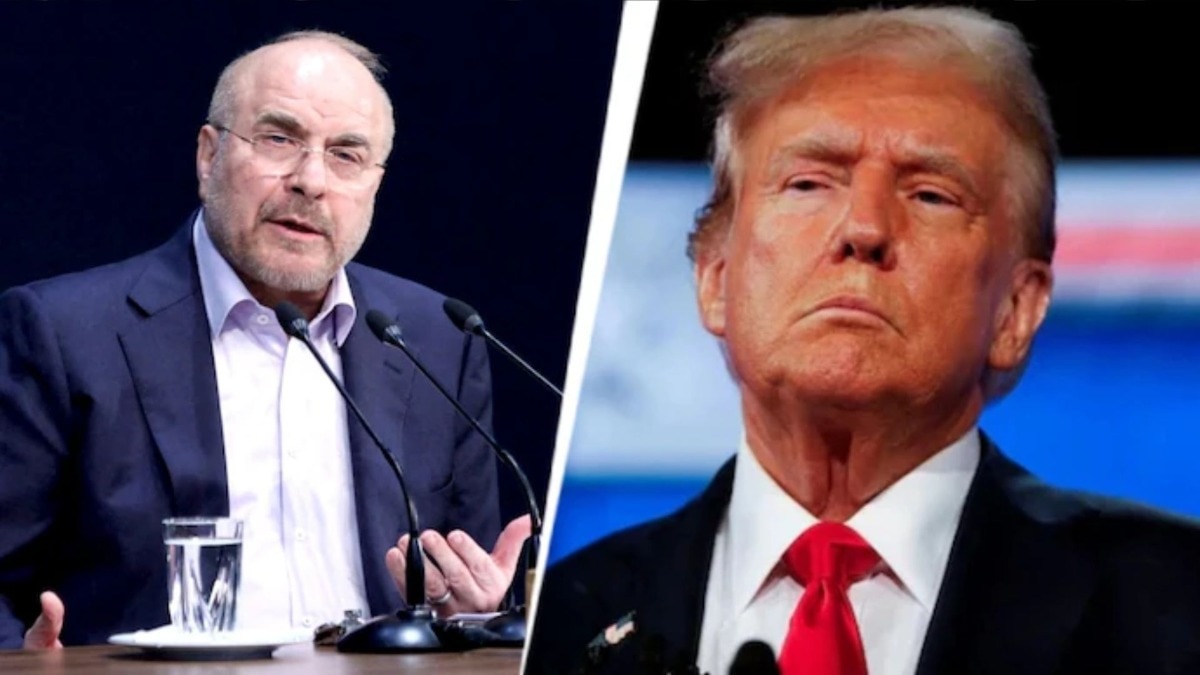
The standoff between the United States and Iran is now threatening the Middle East's oil lifeline. Iran has warned that no country will be able to export oil if it cannot sell its own. The statement followed Donald Trump's threat to bomb Iranian bridges and power plants. Iranian Parliament Speaker Mohammad Bagher Ghalibaf delivered the warning in a post on X, saying the conflict had reached a point where the security of energy exports across the region was at stake. Read Full Story "The equation of this war is clear: either all or none!" "In a region where we do not sell oil, no one will sell oil. If our security is not ensured, no infrastructure will be safe, and the security of the strait is in the absence of American forces. We have repeatedly said that the situation of the strait will not return to pre-war conditions," he added.
Ghalibaf's comments came after Trump warned that every attack on commercial shipping in the Strait of Hormuz would prompt the US to target Iranian infrastructure. TRUMP THREATENS IRAN'S INFRASTRUCTURE Posting on Truth Social, Trump declared: "From this point forward, any time the Islamic Republic of Iran shoots at a ship in the Strait of Hormuz, whether it be by Missile, Rocket, Drone, or any other device or weapon, the United States will bomb and destroy ONE BRIDGE OR POWER PLANT, including those located next to, or in, the Capital City of Tehran. Thank you for your attention to this matter! President DONALD J. TRUMP." The warning followed the 11th straight night of US military operations against Iran. According to the US Central Command (CENTCOM), the latest round of strikes lasted about 75 minutes late on Tuesday. CENTCOM said it targeted Iranian military operations centres, maritime capabilities, aircraft hangars, drone storage facilities and logistics infrastructure in an effort to weaken Tehran's ability to threaten commercial shipping in the Strait of Hormuz.
Washington has accused Iran of attacking more than 30 commercial vessels passing through the strategic waterway over the past three months. OIL MARKET ON EDGE Iran's latest warning adds to growing concerns over the future of global energy supplies. The Strait of Hormuz handles a significant share of the world's seaborne oil trade, and any disruption has immediate consequences for global markets. Iran's near-total blockade of the Strait, along with rising threats to shipping near the Bab el-Mandeb Strait from the Iran-backed Houthis, has pushed oil prices sharply higher. Brent crude briefly climbed above $95 a barrel before easing to around $93. To reduce risks in the Gulf, millions of barrels of Saudi crude have been rerouted to the Red Sea port of Yanbu. However, if the Bab el-Mandeb Strait also becomes unsafe, tankers would be forced to rely on the longer route through the Suez Canal, adding weeks to shipping times and increasing transport costs.
 The BriefWire