Quote of the Day by Greek philosopher Thales of Miletus: "Hope is the only good that is common to all men…"
Quote of the Day: What Thales of Miletus meant by "Hope is the only good that is common to all men…" Who was Thales of
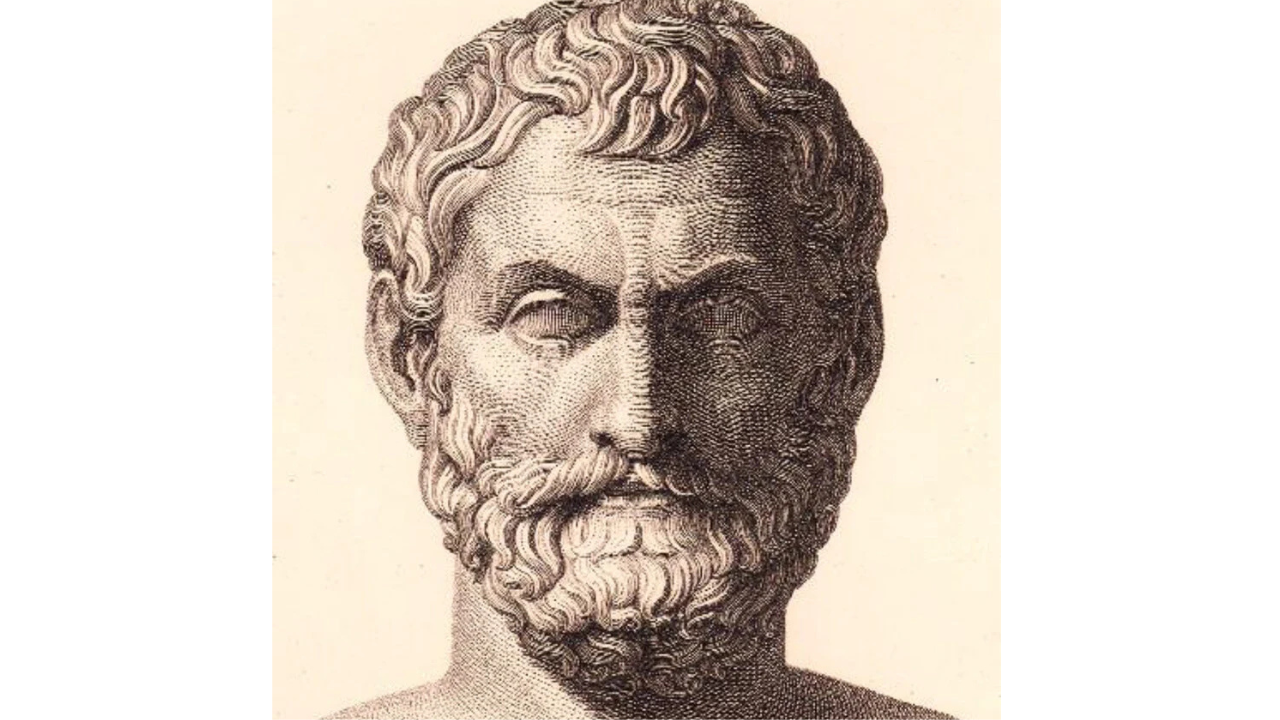
Quote of the Day: What Thales of Miletus meant by "Hope is the only good that is common to all men…" Who was Thales of Miletus? Why is Thales considered one of history's greatest thinkers? Why does the quote remain relevant today? Lessons we can learn from Thales' quote Hope belongs to everyone, regardless of wealth or status. Difficult circumstances do not define a person's future. Optimism encourages action rather than surrender. Inner strength can be more valuable than material success. Believing that tomorrow can improve helps people overcome today's challenges. Thales' lasting legacy Hope has inspired humanity through wars, disasters, personal struggles and moments of uncertainty for thousands of years. Long before modern psychology explored the power of optimism, the ancient Greek philosopher Thales of Miletus reflected on hope as one of life's greatest strengths. His famous words, "Hope is the only good that is common to all men; those who have nothing else still possess hope," continue to resonate because they capture a universal truth. While wealth, power and success are unevenly distributed, hope remains accessible to everyone, regardless of age, background or circumstance. It is this enduring quality that has allowed the quote to survive for more than two millennia.Thales is remembered as one of the earliest thinkers to explain the natural world through observation and reason rather than mythology.
Although he is best known for his contributions to philosophy, mathematics and astronomy, his reflections on human nature remain equally relevant today. His words remind us that even when people lose material possessions or face overwhelming challenges, hope can remain intact, encouraging resilience and the belief that tomorrow can be better than today.The quote expresses a simple but profound idea: hope belongs to everyone.Unlike money, influence or opportunity, hope cannot be owned by only a select few. It is an inner strength that exists regardless of a person's social status or circumstances.Thales suggests that even someone who has lost everything still possesses hope. It is often the final source of comfort during difficult times and the force that motivates people to keep trying despite repeated setbacks. Rather than being wishful thinking, hope represents confidence that change is possible. It encourages perseverance, resilience and the courage to continue moving forward when the future seems uncertain.Thales of Miletus lived between approximately 624 BC and 546 BC in the ancient Greek city of Miletus, located in present-day western Turkey. He is widely regarded as the first philosopher in the Western tradition and the founder of the Milesian school of philosophy.Unlike earlier thinkers who explained natural events through myths and divine intervention, Thales sought logical explanations based on observation and reason.
 The BriefWire