Will Staggered Polls End Pakistan-Occupied Kashmir’s Woes? Certainly Not
Will Staggered Polls End Pakistan-Occupied Kashmir’s Woes? Certainly Not | Explained Written By, Last Updated: July 22, 2026, 19:58 IST While a basic voter turnout
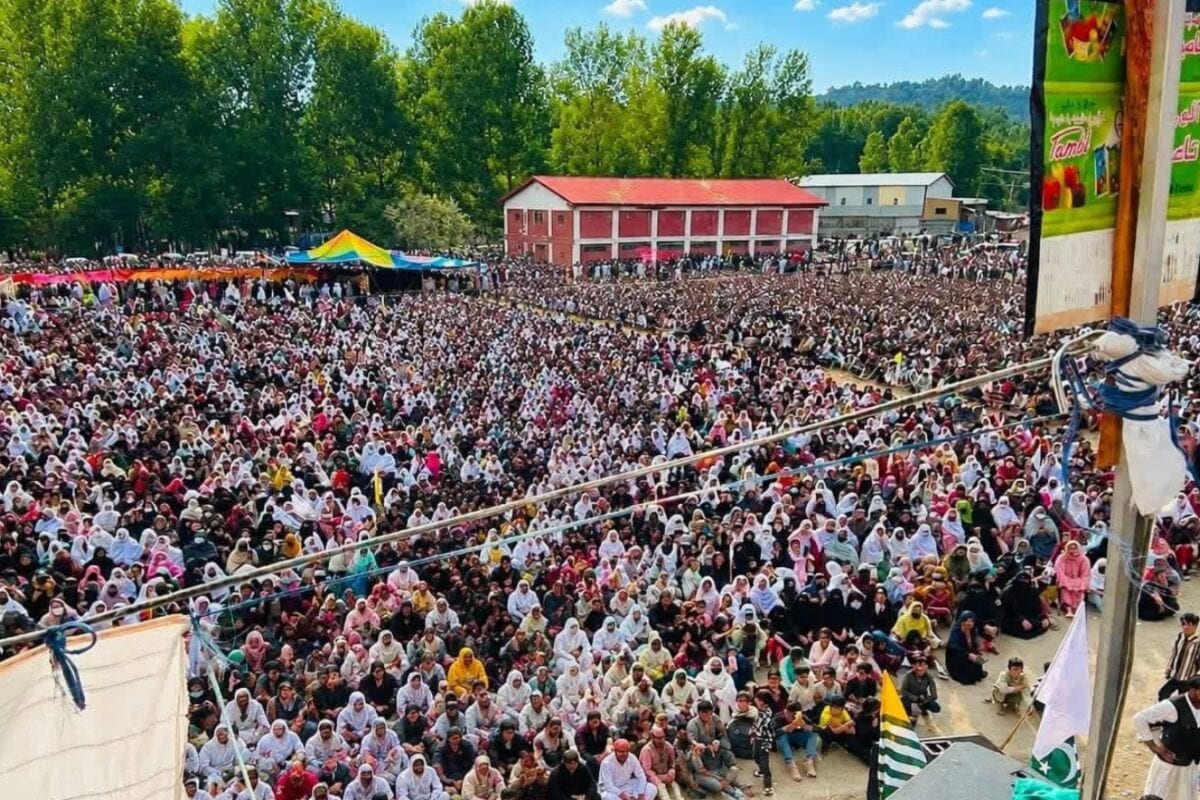
Will Staggered Polls End Pakistan-Occupied Kashmir’s Woes? Certainly Not | Explained Written By, Last Updated: July 22, 2026, 19:58 IST While a basic voter turnout is expected, analysts suggest the election will fail to resolve the core fury and underlying grievances of the local population. Rapid Read The PoK protest movement has witnessed large sit-ins, shutter-down strikes, and demonstrations across several towns. (Image: X/@JAAC__Official/File) With Pakistan-occupied Kashmir (PoK) clouded in massive protests against the Pakistani administration, the upcoming legislative assembly polls are unlikely to offer any solution to locals, say experts. The region has been gripped by mass mobilisation and a government crackdown led by the Jammu Kashmir Joint Awami Action Committee (JKJAAC), which is protesting runaway inflation, electricity tariffs, and elite privileges. The situation deteriorated in June after deadly clashes between protesters and security forces left dozens of civilians and law enforcement personnel dead. THE PROTEST Widespread civil unrest and protests have erupted in PoK. What began as economic demands—specifically for subsidized wheat flour and electricity tariffs proportional to local hydropower generation—has rapidly escalated into a massive anti-Islamabad uprising against political repression and alleged economic mismanagement by the Pakistani government. Pakistani security forces have deployed blockades and carried out violent crackdowns, leading to civilian casualties and internet/communication blackouts. Protesters have broadened their focus to demand the withdrawal of Pakistani troops, challenging the region’s constitutional status and asserting it is neither “Azad" (free) nor a genuine constitutional part of Pakistan.
Demonstrators have reported severe shortages of essential food and medical supplies due to blockades. India has called on the international community to hold Pakistan accountable for human rights abuses in the region. Meanwhile, human rights organisations like Amnesty International and international lawmakers have flagged growing concerns over the deteriorating situation. THE STAGGERED POLLS The elections are being conducted in a staggered, three-phase voting process running from July 27 to August 10, 2026. The 53-member legislative assembly features 45 directly elected seats (33 territorial constituencies in PoK and 12 reserved for refugees across mainland Pakistan) alongside 8 nominated seats. The staggered polling schedule is structured as follows Phase I (July 27, 2026): Voting across 13 constituencies in the Mirpur division. Phase II (August 2, 2026): Voting in 9 constituencies of the Muzaffarabad division and all 12 Pakistan-based refugee constituencies. Phase III (August 10, 2026): Voting for the final 11 constituencies in the Poonch division. The Election Commission shifted from a single-day vote to a staggered format to manage security operations and ensure the availability of army personnel amid severe political unrest. THE KEY FACTORS IN THE ELECTION Major democratic forces, including Imran Khan’s Pakistan Tehreek-e-Insaf (PTI), are largely absent from the contest, leading many experts to conclude the election will lack broad legitimacy, according to Al Jazeera and other reports.
 The BriefWire