Trump Is Okay With Saudi Arabia Enriching Uranium On Its Own Soil, But The World Is Not: 8 Reasons Why
Trump Is Okay With Saudi Arabia Enriching Uranium On Its Own Soil, But The World Is Not: 8 Reasons Why Written By, Last Updated: July
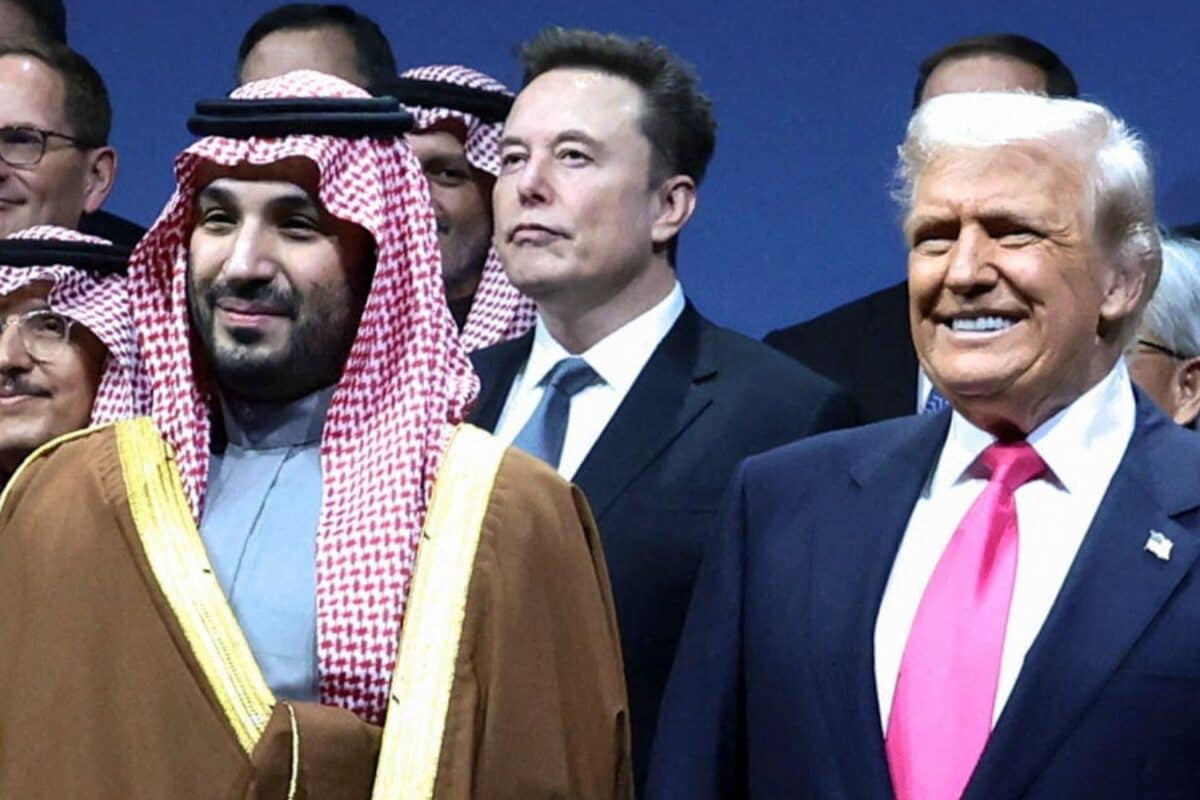
Trump Is Okay With Saudi Arabia Enriching Uranium On Its Own Soil, But The World Is Not: 8 Reasons Why Written By, Last Updated: July 22, 2026, 19:16 IST US-Saudi proposed nuclear agreement: The controversy surrounding the "Section 123 Agreement" stems from several key concessions and geopolitical friction points Rapid Read US President Donald Trump, Crown Prince and Prime Minister Mohammed bin Salman of Saudi Arabia in Washington, D.C., U.S. (Reuters File) The Trump administration is looking to back a nuclear energy pact with Riyadh, allowing Saudi Arabia to enrich uranium and process spent atomic fuel, a move that may worry regional states concerned about weapons proliferation. What is in the agreement? What are the concerns? US-Saudi Civil Nuclear Agreement The U.S.–Saudi Civil Nuclear Agreement is a landmark 30-year bilateral pact that allows Saudi Arabia to develop a civilian nuclear energy program with American assistance. President Trump approved the deal on July 22, 2026, marking a massive shift in Middle Eastern geopolitics and U.S. non-proliferation policy. The Core Terms Uranium Enrichment Allowed: The deal provides a legal pathway for Saudi Arabia to eventually enrich uranium on its own soil, likely inside an American-built enrichment facility. Commercial Monopoly: It explicitly guarantees that U.S. companies will build and maintain the kingdom’s multi-billion-dollar nuclear infrastructure. Exclusion of Competitors: The pact ensures Saudi Arabia freezes out rival nuclear suppliers from China and Russia.
THE WHITE HOUSE AND SAUDI RATIONALE The Trump administration and Riyadh defend the multi-billion-dollar deal as a strategic necessity. They argue it secures lucrative contracts for American energy firms, locks the kingdom into US alignment over Russian or Chinese nuclear alternatives, and helps Saudi Arabia’s Vision 2030 plan shift domestic power grids away from oil to maximize fossil fuel exports. Officials assert that a proposed two-year feasibility study on a future “black box" enrichment plant—managed strictly by US personnel—provides sufficient security. WHAT ARE THE CONCERNS? The controversy surrounding the “Section 123 Agreement" stems from several key concessions and geopolitical friction points Omitting the “Gold Standard": Unlike the landmark 2009 US-UAE nuclear pact, this deal does not include the “gold standard" commitment, which legally bars a country from domestic uranium enrichment and spent fuel reprocessing—the two primary pathways to building a bomb. Bypassing the IAEA Additional Protocol: Saudi Arabia refused to sign the International Atomic Energy Agency’s (IAEA) Additional Protocol. This strips the UN watchdog of the power to execute snap inspections at undeclared locations, relying instead on a less intrusive, customised US-Saudi bilateral monitoring framework. The Saudi “Follow Suit" Threat: Crown Prince Mohammed bin Salman has publicly declared that if regional rival Iran develops a nuclear weapon, Saudi Arabia will follow suit as fast as possible. Lawmakers fear Washington is handed the keys to a weapons program if regional tensions boil over.
 The BriefWire