Vijay Can’t Get A ‘NEET’ Exit For Tamil Nadu Easily, But He Has A Special Plan: What Is It?
Vijay Can’t Get A ‘NEET’ Exit For Tamil Nadu Easily, But He Has A Special Plan: What Is It? Written By, Last Updated: July 22
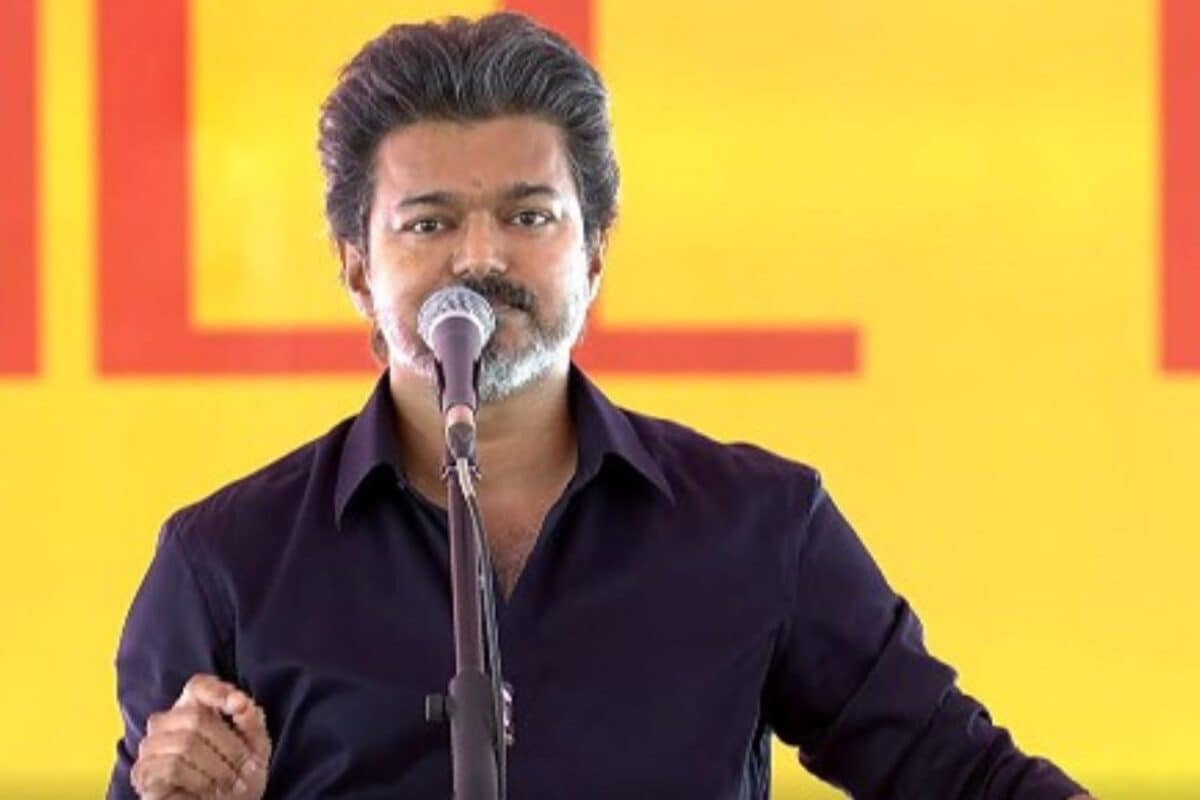
Vijay Can’t Get A ‘NEET’ Exit For Tamil Nadu Easily, But He Has A Special Plan: What Is It? Written By, Last Updated: July 22, 2026, 16:13 IST To bypass the legal hurdles of the current framework, TVK has proposed a two-pronged constitutional strategy Rapid Read Tamil Nadu Chief Minister Vijay. (X) Amid the ongoing protests in Delhi over Eligibility-cum-Entrance Test (NEET) paper leak, Tamil Nadu Chief Minister C Joseph Vijay on Tuesday told the state Assembly that the examination was unfair to medical aspirants in his state. Can Tamil Nadu unilaterally opt out of NEET under current laws, as the Supreme Court has ruled that NEET is the uniform, mandatory standard nationwide? No. Opting out requires major constitutional changes or Presidential assent, which has previously been withheld. But he has a ‘Special Concurrent List’ plan. News18 explains what it is. THE DEADLOCK: WHY TAMIL NADU WANTS TO OPT OUT OF NEET MEDICAL EXAM Tamil Nadu has persistently sought an exemption (preferring medical admissions based on Class 12 marks). The State Assembly unanimously passed the Tamil Nadu Admission to Undergraduate Medical Degree Courses Bill, but the President withheld assent, leading the state to move the Supreme Court. Tamil Nadu opposes the Eligibility cum Entrance Test (NEET) primarily because the state views it as an anti-poor, urban-biased system that undermines social justice and state autonomy. Before NEET became mandatory nationwide in 2017, Tamil Nadu admitted students to medical colleges based strictly on Class 12 board exam marks. The state’s multi-layered opposition is backed by data from the high-level Justice A.K. Rajan Committee report, which revealed that nearly 99% of students who secured medical seats post-NEET had attended expensive, private coaching classes.
Families from rural areas and economically weaker backgrounds cannot afford multi-lakh coaching monopolies, effectively pricing out marginalized students from medical education. NEET is heavily mapped to the Central Board of Secondary Education (CBSE/NCERT) syllabus. This puts students from State Board schools at a severe disadvantage. The representation of Tamil-medium students plummeted drastically after NEET’s implementation. Data showed Tamil-medium admissions fell from nearly 20% in the pre-NEET era to less than 2% post-NEET. Under the old system, local rural students who became doctors were highly likely to return and serve in their own rural communities and primary health centres (PHCs). The state fears that affluent, urban-centric repeaters who clear NEET are less inclined to serve in rural public health networks, threatening Tamil Nadu’s highly rated, decentralised healthcare model. The intense pressure of a single high-stakes exam has caused an alarming rise in acute academic stress. Multiple high-profile cases of student suicides out of fear of failure have turned NEET into a highly sensitive, emotional, and political flashpoint across the state. The state government funds and runs its own medical colleges but has zero say in how those seats are distributed. Tamil Nadu views centralising admissions as a direct violation of federal principles, stripping states of their constitutional right to tailor education policies to local socio-economic realities. Recent national controversies—including massive paper leak scandals, cancellations, and Testing Agency (NTA) failures—have validated the state’s argument that the centralized system is structurally flawed and untrustworthy. TVK’S ‘SPECIAL CONCURRENT LIST’ PLAN Tamilaga Vettri Kazhagam (TVK), led by Chief Minister C. Joseph Vijay, has reiterated the demand for the complete abolition of NEET.
 The BriefWire