Why Does Jaipur's Hawa Mahal Have Exactly 953 Tiny Windows? The Story Behind Rajasthan's 'Palace Of Winds'
Why Does Jaipur's Hawa Mahal Have Exactly 953 Tiny Windows? The Story Behind Rajasthan's 'Palace Of Winds' Published By, Last Updated: July 22, 2026, 14:53
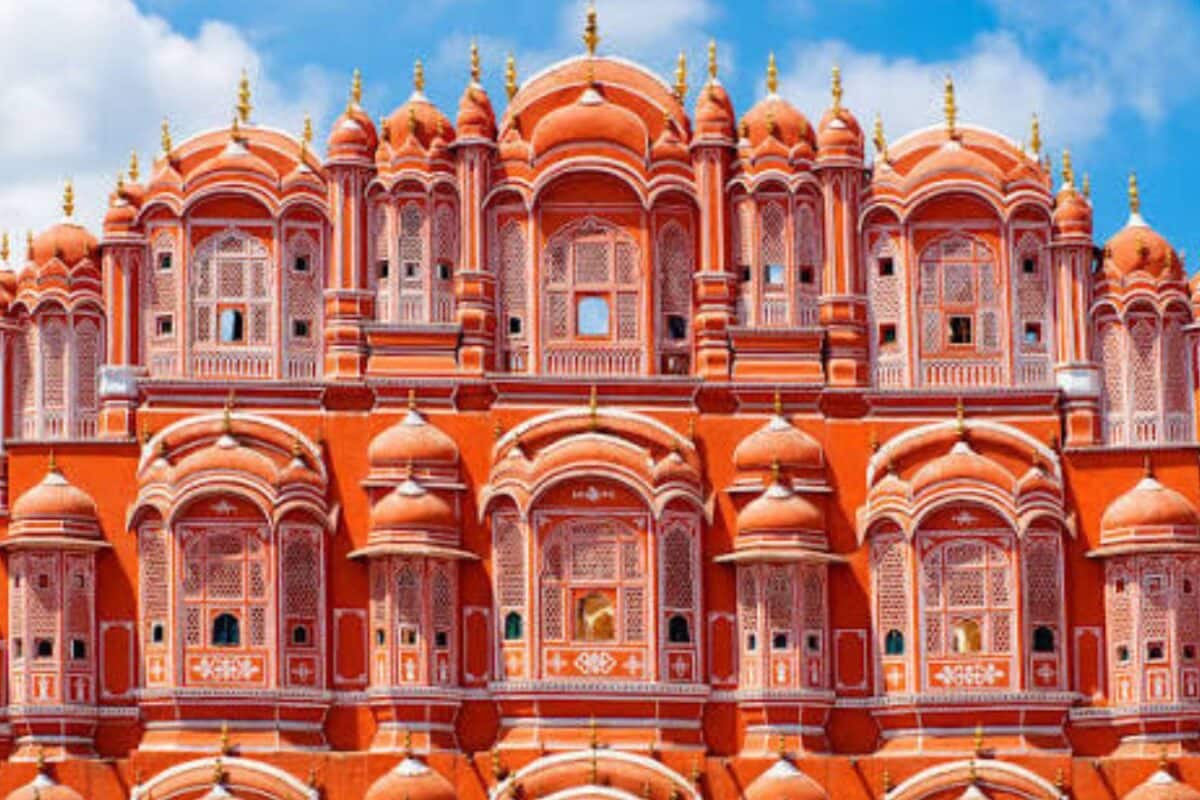
Why Does Jaipur's Hawa Mahal Have Exactly 953 Tiny Windows? The Story Behind Rajasthan's 'Palace Of Winds' Published By, Last Updated: July 22, 2026, 14:53 IST Jaipur's Hawa Mahal has 953 intricate windows that offered privacy to royal women and kept the palace naturally cool through ingenious architecture. Rapid Read Built in 1799, Jaipur's Hawa Mahal is a masterpiece of Rajput architecture, known for its honeycomb façade of 953 tiny windows. Jaipur’s iconic Hawa Mahal is one of India’s most photographed landmarks, instantly recognisable for its striking honeycomb façade dotted with 953 tiny windows. But these windows were never meant to impress tourists. Built more than 225 years ago, they served a practical purpose that blended royal customs with ingenious architecture. Constructed in 1799 by Maharaja Sawai Pratap Singh, the five-storey palace was designed by architect Lal Chand Ustad as an extension of the City Palace. Made from pink and red sandstone, the monument has become one of Rajasthan’s most celebrated architectural marvels. Why Does Hawa Mahal Have Exactly 953 Windows? The façade of Hawa Mahal is adorned with 953 intricately carved jharokhas (windows), each fitted with delicate stone latticework known as jaali. These windows are arranged in a striking honeycomb pattern that has become the monument’s defining feature. Far from being merely decorative, the jharokhas were designed to serve the needs of the royal household. In the late 18th century, women of the Rajput royal family largely observed the purdah system, a social custom that limited their appearance in public.
The screened windows allowed them to watch everyday life in Jaipur without being visible to people on the streets below. From these windows, royal women could witness religious festivals, royal processions, military parades, celebrations and the vibrant markets that lined the city’s main thoroughfare. The lattice screens ensured they enjoyed an unobstructed view while maintaining their privacy, making Hawa Mahal a unique architectural solution to the social customs of its time. The sheer number of windows also had an engineering advantage. Their small size and strategic placement allowed cool air to flow through the palace continuously. As wind entered through the narrow openings, it circulated across the corridors and chambers, creating a natural cooling effect that helped make the interiors more comfortable during Jaipur’s hot summers. This clever use of passive ventilation is one of the reasons the monument came to be known as the ‘Palace of Winds’. Architecturally, the façade resembles a beehive, with rows of jharokhas stacked across five storeys. The design not only enhanced airflow and privacy but also reduced the amount of direct sunlight entering the building, helping keep the interiors relatively cool. Today, these 953 windows stand as a remarkable example of how Rajput architecture blended aesthetics, climate-responsive design and the social traditions of the era into a single iconic monument. A palace designed to stay naturally cool The Hawa Mahal earned its nickname, the ‘Palace of Winds,’ because of the way its architecture harnesses natural airflow.
 The BriefWire