Could Sikkim Tunnel Disaster Have Been Prevented? Geologists Raise Safety Questions After 10 Die
Could Sikkim Tunnel Disaster Have Been Prevented? Geologists Raise Safety Questions After 10 Die Reported By, Last Updated: July 22, 2026, 14:56 IST A prolonged
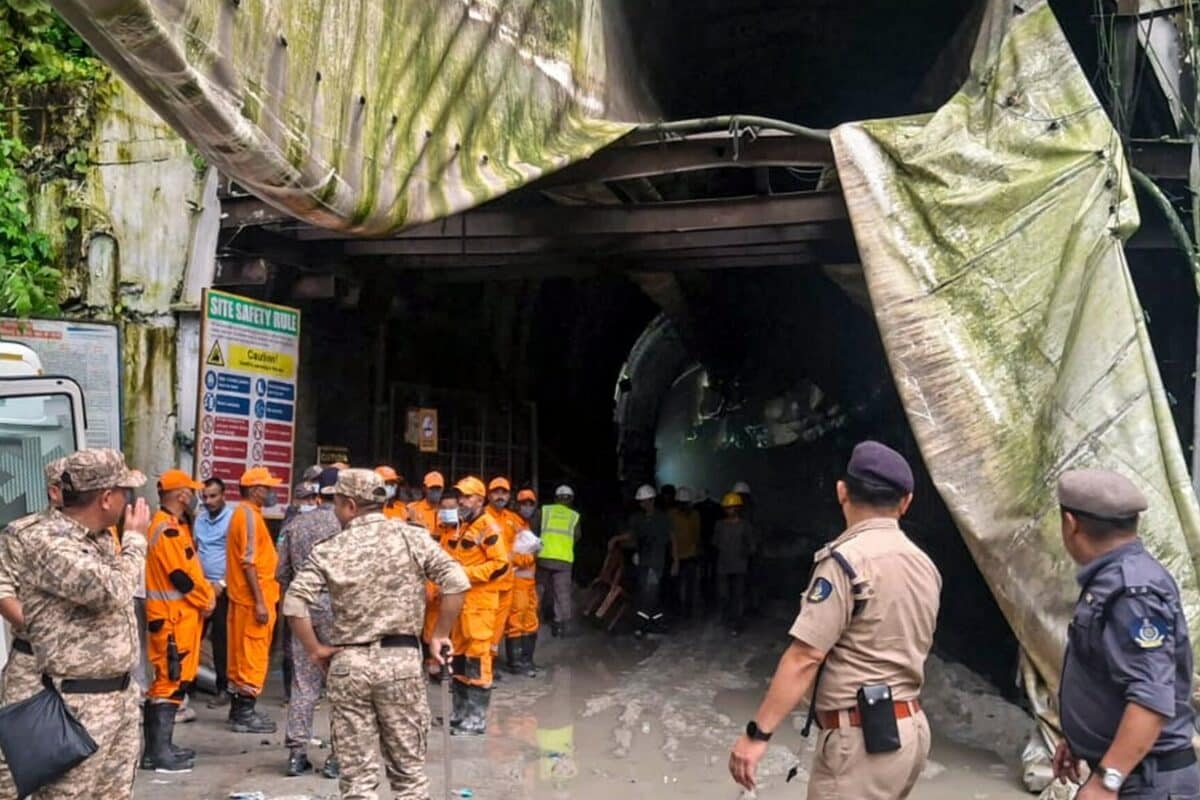
Could Sikkim Tunnel Disaster Have Been Prevented? Geologists Raise Safety Questions After 10 Die Reported By, Last Updated: July 22, 2026, 14:56 IST A prolonged exposure to high concentrations of Methane, a naturally-occurring gas could lead to poisoning, as it slowly deprives the body of Oxygen, and is highly-inflammable. Rapid Read Resuce operation underway after a collapse inside the under-construction NHPC Teesta Stage VI Hydroelectric Project tunnel, in Namchi. (PTI photo) With 10 workers dead and 15 still trapped inside, experts say the Methane gas explosion inside the NHPC’s Teesta Stage VI Hydroelectric project tunnel in South Sikkim may have been avoided had adequate geological assessment and precautions been taken. As per the latest information from the site, 25 personnel were trapped inside the tunnel, out of which 10 casualties have been reported so far. The incident occurred at 1 pm on July 20 inside the under-construction Head-Race Tunnel of NHPC Teesta Stage VI Hydroelectric project, Samardung, South Sikkim, after a sudden burst of suspected Methane gas trapped inside the rocks which led to explosion generating dense fumes and toxic gases. Speaking to CNN-News18, senior geologist Professor Devesh Walia from North-Eastern Hill University (NEHU), says the rescue team must continue to exercise caution as the air in the tunnel may still be contaminated with Methane, a highly-inflammable gas, as the exact source of Methane is not confirmed yet.
“The tunnel is deep in the Shivalik rocks. Whatever material was there from millions of years, became part of the sediments, and got converted into coal. During the process, it releases gases such as Methane, Carbon Monoxide and Hydrogen Sulphide. Once tunneling begins, there is a risk that these trapped gases may release. So, comprehensive geological and pre-feasibility studies are carried out before excavation starts, to identify risks and take precautions," he told CNN-News18. Methane, a naturally-occurring colourless and odourless gas is commonly found in landfills, coal mines, livestock facilities and waste-water treatment facilities. It is highly inflammable and can ignite at even low temperatures, and poses a risk of explosion under high-pressure environment. A prolonged exposure to high concentrations of Methane could lead to poisoning, as the gas slowly deprives the body of Oxygen needed to breathe. Two days on, the rescue operations continue, with Disaster Response Force, State Disaster Response Force, local authorities and other emergency agencies on the ground for last two days. A special rescue team from DG-Mines Safety has also reached the site, and NHPC said a detailed investigation will be undertaken to ascertain the cause of the incident. Geologists emphasise the need for strict adherence to pre-feasibility studies and underground assessments at all mining sites, to prevent such disasters and loss of lives.
 The BriefWire