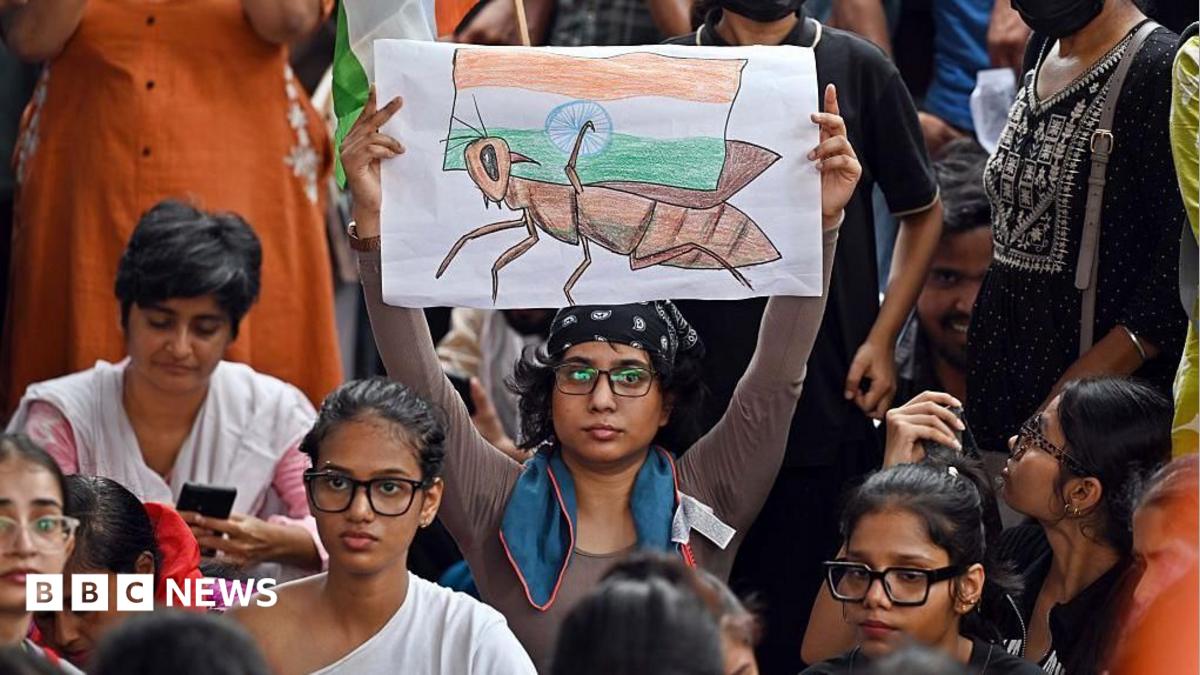
Pressure grows on India's Modi government as 'cockroach' protests intensify
On Monday, tens of thousands of protesters flooded central Delhi after the CJP called for a march to parliament as the monsoon session began. At
On Monday, tens of thousands of protesters flooded central Delhi after the CJP called for a march to parliament as the monsoon session began. At least 60 people were injured after police used batons and tear gas to disperse the crowds. Officers also dismantled the stage and makeshift tents at Jantar Mantar, the protest's main base near the 300-year-old observatory. But the demonstrators have refused to leave, maintaining a round-the-clock sit-in.
A day after the violence, they were visited by several senior opposition leaders such as former Delhi chief minister Arvind Kejriwal and veteran politician Sharad Pawar. Later on Tuesday, Congress president Mallikarjun Kharge and Gandhi led a surprise march to Modi's house, demanding the resignations of Pradhan, Home Minister Amit Shah who the Delhi police report to and PM Modi. Gandhi said the government must apologise to students for the crackdown, adding that the Congress decided to stage a protest outside Modi's house because they weren't allowed to raise the issue in the parliament.
He said he had met speaker Om Birla to seek a discussion, but "the speaker said he needed to take permission from the government, but it was very clear to us that there was no interest in the government of having a debate". Federal Minister Jitendra Singh denied Gandhi's allegation, external - he said he informed the Congress MP that the government had accepted his demand for a discussion but alleged that Gandhi later also demanded the resignation of Pradhan.
He accused Gandhi of "changing the goalpost" and of refusing to end the protest despite being told that the place wasn't conducive to such demonstrations.
 The BriefWire