Two India-Bound Tankers Make U-Turn In Red Sea After Houthis' 'Eye-For-An-Eye' Warning To Saudi Arabia
Two India-Bound Tankers Make U-Turn In Red Sea After Houthis' 'Eye-For-An-Eye' Warning To Saudi Arabia Published By, Last Updated: July 22, 2026, 11:48 IST The
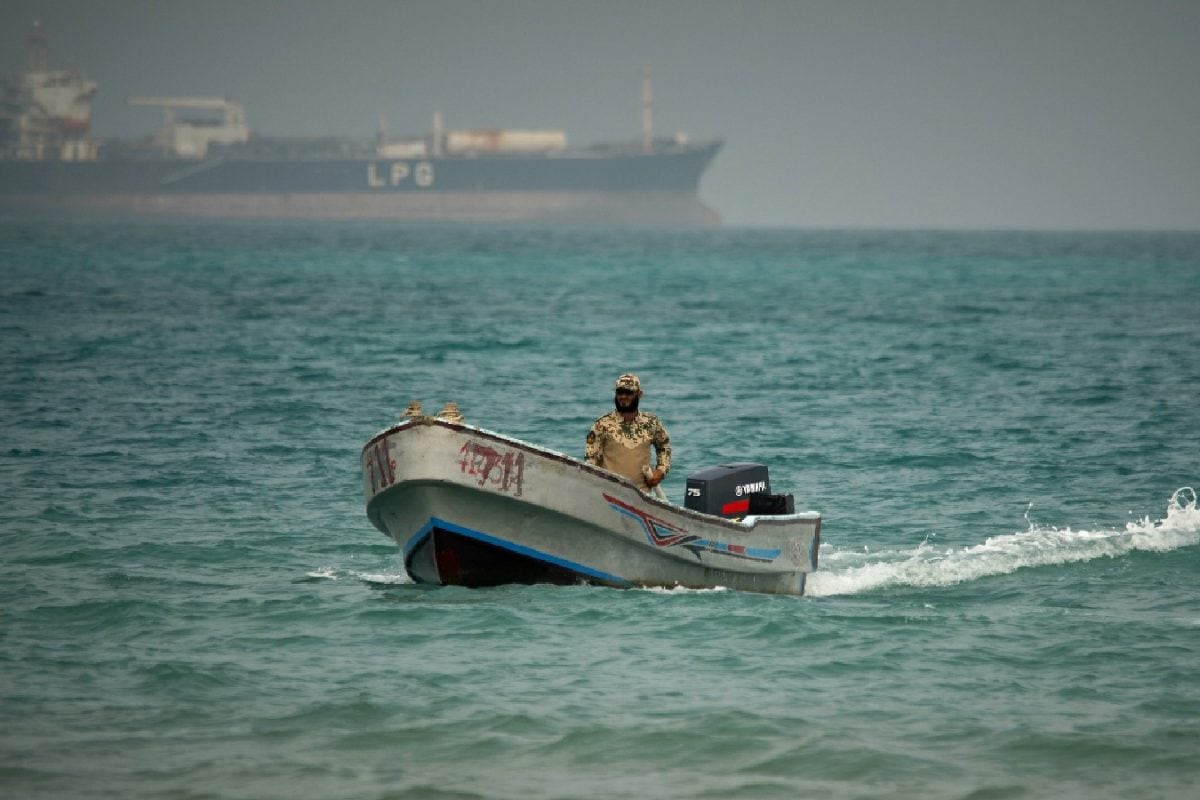
Two India-Bound Tankers Make U-Turn In Red Sea After Houthis' 'Eye-For-An-Eye' Warning To Saudi Arabia Published By, Last Updated: July 22, 2026, 11:48 IST The oil tankers, the Xin Long Yang, the Rodos and the Amazon, were bound for the Suez Canal when the Houthis issued a warning The oil tankers, the Xin Long Yang, the Rodos and the Amazon, were bound for the Suez Canal when the Houthis issued a warning (IMAGE: AP PHOTO) Three oil tankers from Saudi Arabia, loaded with crude for India and China, were forced to make a U-turn in the Red Sea following a warning from Yemen’s Iran-backed Houthi militia. The oil tankers –– the Xin Long Yang, the Rodos and the Amazon –– were bound for the Suez Canal when the Houthis issued a warning, according to Reuters. The escalation on the Red Sea front signalled yet another confrontation, even as a war between the United States and Iran is ongoing. At a time when countries are seeking to dilute the economic shock caused by the blockade of the key Strait of Hormuz, another disturbance to a major shipping route is highly likely to compound the crisis.
The Xin Long Yang, a very large crude carrier (VLCC), completed the loading of 2 million barrels of Saudi crude at Yanbu, located on Saudi Arabia’s Red Sea coast, on Monday. However, it made a U-turn before the Red Sea and was heading to Suez instead, according to shipping data. India-bound Rodos, carrying about 700,000 barrels of Saudi crude, also made a U-turn for Suez on Tuesday. Headed to India, the Suezmax tanker Amazon also made a U-turn to Suez. The Yanbu Port –– a vital global energy hub –– was still operating to load crude onto ships that were already in the Red Sea or arriving via Suez. ‘An Eye For An Eye’ The development came as the Houthis declared a naval blockade against Saudi Arabia this week in response to what they described as “an unjust and oppressive siege" imposed on Yemen by the kingdom. The Houthis’ armed forces in a statement declared that they were initiating “a maritime embargo against the criminal Saudi enemy, based on the equation of ‘an eye for an eye‘, effective immediately".
In an email to shipping firms, the Iran-aligned group warned them against loading or discharging cargo at Saudi Arabian ports. They announced such an activity would result in being targeted “in any location". Ships Turned Off Transponders According to shipping data, several ships that were close to the Yanbu were still heading to the Saudi port. However, tankers sailing in the Red Sea or loading at Yanbu port have turned off their transponders since Tuesday. “While an actual blockade seems unlikely given the resources required for such an undertaking, a step-up in hostilities could see Houthis targeting Saudi-associated ships transiting the Bab el-Mandeb Strait," ship broker Clarksons said. He said if the Houthis’ warning affected traffic through the Red Sea, a “reshuffling of crude cargoes in which Yanbu volumes are increasingly directed towards Europe" would have been evident. News18 Newsletter Handpicked stories, in your inbox A newsletter with the best of our journalism submit Key Questions Answered How will this Red Sea blockade impact global oil prices? The Houthi blockade targeting Saudi Arabia's Yanbu export hub and the Bab el-Mandeb Strait threatens oil flows representing nearly 7% of global production.
 The BriefWire