Two-Year Lifeline, Then 200% Tariffs? What Trump's Drug Gamble Means For 'World's Pharmacy' India
Two-Year Lifeline, Then 200% Tariffs? What Trump's Drug Gamble Means For 'World's Pharmacy' India Published By, Last Updated: July 22, 2026, 08:46 IST Bringing pharmaceutical
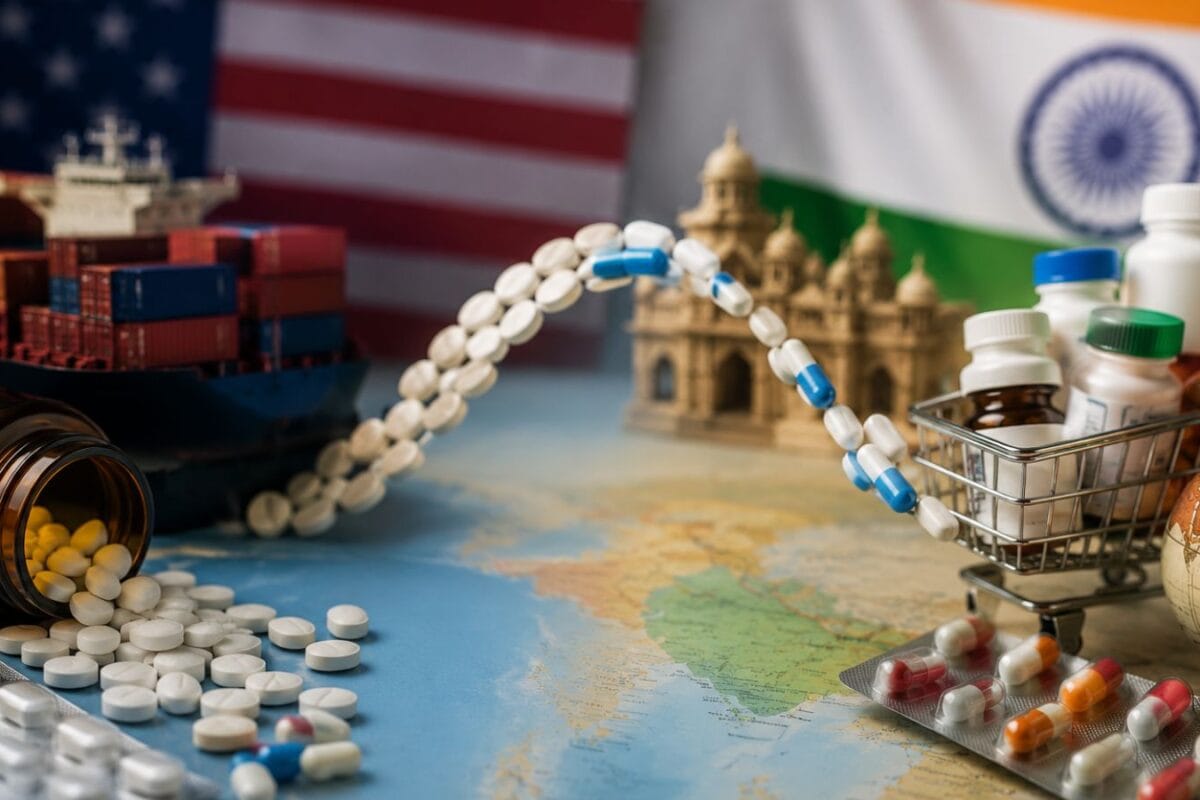
Two-Year Lifeline, Then 200% Tariffs? What Trump's Drug Gamble Means For 'World's Pharmacy' India Published By, Last Updated: July 22, 2026, 08:46 IST Bringing pharmaceutical manufacturing back to US has bipartisan political support, especially after Covid-19 exposed America's dependence on overseas drug supply chains Rapid Read India is one of the world's largest suppliers of generic medicines and counts the US as its biggest export market for pharmaceuticals. (AI-Generated Image) US President Donald Trump on Wednesday announced that imported generic medicines will remain exempt from tariffs for the next two years, but warned that they could face duties of up to 100 per cent initially and 200 per cent later if drugmakers continue to manufacture overseas instead of shifting production to the US. The announcement is part of Trump’s broader push to revive domestic manufacturing and reduce America’s dependence on imported pharmaceuticals. For India, however, the proposal has far-reaching implications. The country is one of the world’s largest suppliers of generic medicines and counts the US as its biggest export market for pharmaceuticals. What Exactly Did Trump Say? Trump said generic medicines will face 0 per cent tariffs for the next two years, giving pharmaceutical companies time to move manufacturing to the United States. After that, imports could face tariffs starting at 100 per cent and eventually rising to 200 per cent. The proposal is aimed at encouraging companies to manufacture drugs in the US rather than importing them from countries such as India and China. However, the plan is yet to go through the formal policy and rule-making process, meaning details could still change. Why Is India The Biggest Stakeholder? India is often called the “pharmacy of the world" because of its massive generic drug manufacturing industry. The US is India’s largest pharmaceutical export destination. India supplies a significant share of generic medicines consumed in the US, ranging from antibiotics and diabetes medicines to cancer drugs.
Indian companies have also built their business models around exporting affordable medicines manufactured in India. If steep tariffs are eventually imposed, these exports could become significantly more expensive and less competitive in the US market. Why The Two-Year Relief? A sudden tariff would have disrupted drug supplies and increased healthcare costs in the US almost immediately. The two-year exemption appears designed to give pharmaceutical companies time to relocate manufacturing, avoid shortages of essential medicines, and allow the US to expand domestic production capacity before imposing high import duties. Experts quoted by CNN say moving pharmaceutical manufacturing is far more complex than relocating production in sectors like electronics or apparel because it requires regulatory approvals, inspections and new supply chains. Which Indian Companies Could Be Affected? Several leading Indian pharmaceutical companies derive a substantial portion of their revenue from the US market. Among those with significant exposure are Sun Pharma, Dr. Reddy’s Laboratories, Aurobindo Pharma, Lupin, Zydus Lifesciences, Cipla, Glenmark Pharmaceuticals, and Torrent Pharmaceuticals. The impact, however, will differ. Companies that already own manufacturing facilities in the US or have diversified production across multiple countries may be better positioned than firms that primarily export medicines manufactured in India. Will Medicines Become Costlier In US? Potentially, yes. Generic medicines account for the overwhelming majority of prescriptions filled in the US because they are much cheaper than branded drugs. If import costs rise sharply due to tariffs, drug manufacturers could pass some of the additional cost to distributors and healthcare providers. Insurance companies may face higher reimbursement costs and patients could ultimately pay more for medicines. Analysts speaking to Reuters also warn that reduced competition could worsen existing drug shortages if companies decide exporting to the US is no longer commercially viable. Could Indian Pharma Companies Shift Manufacturing To US? Some already have.
 The BriefWire