Samsung Galaxy Z Fold 8 Wide is a pre-emptive strike against Apple's foldable iPhone, experts say
Experts believe the wide-screen Samsung Galaxy Z Fold 8 launching globally today at Galaxy Unpacked is a calculated pre-emptive strike against Apple which is widely
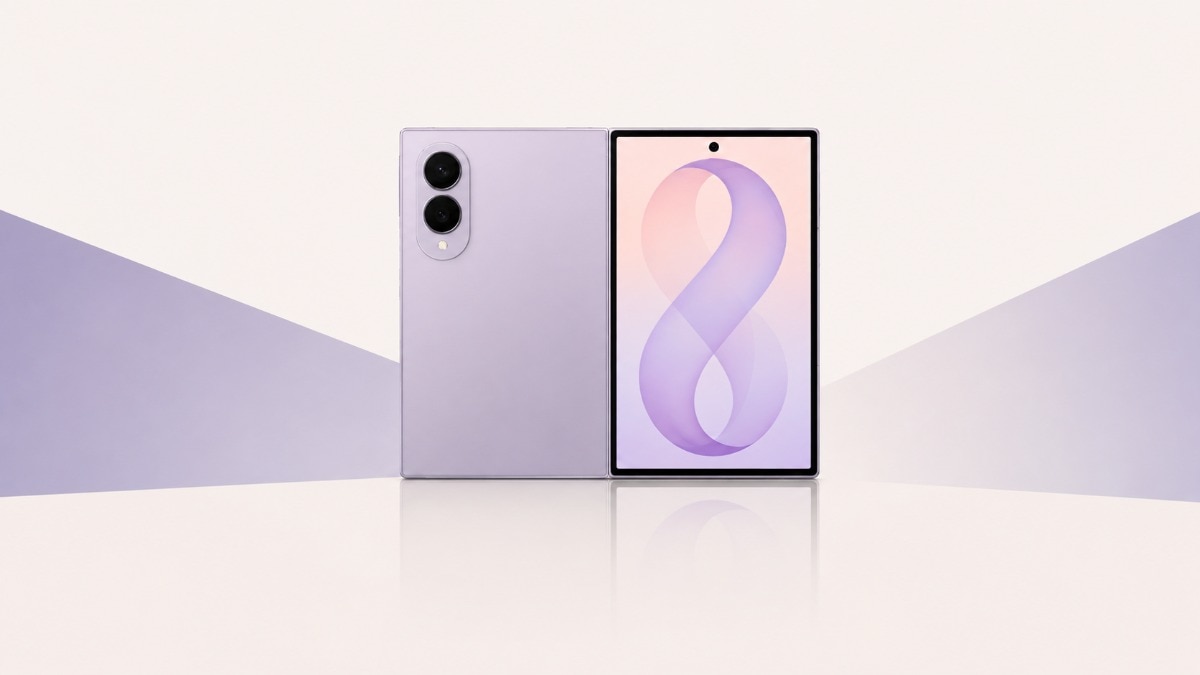
Experts believe the wide-screen Samsung Galaxy Z Fold 8 launching globally today at Galaxy Unpacked is a calculated pre-emptive strike against Apple which is widely expected to debut its own foldable iPhone later this year. The Fold 8 not only gives Samsung an early head-start but more importantly, it may hold the key to jump-starting an otherwise declining smartphone market despite a higher price tag compared to last year’s Galaxy Z Fold 7. Read Full Story Samsung is all but confirmed to be splitting its 2026 flagship foldables into a multi-tiered lineup, led by a shorter, wider, passport-style Galaxy Z Fold 8 alongside a premium albeit more conventional Z Fold 8 Ultra. The Galaxy Z Flip 8 should ideally tag along completing the portfolio. But it is largely the Galaxy Z Fold 8 wide which is drawing considerable interest from enthusiasts and analysts alike given its touted “new shape” coming hot on the heels of the limited release Galaxy Z TriFold. The Fold 8 is expected to be a much more mainstream affair—compared to the trifold—with relatively unlimited availability. It is Apple versus Samsung again With the Galaxy Z Fold 8, Samsung is shifting focus toward a new 4:3 aspect ratio when unfolded, giving the outer shell a natural “passport-style” shape that—at least in theory—should account for the look and feel of a standard smartphone when closed. Existing Z Fold models are more book-style with tall and narrow cover screens. Moving to a 4:3 inner ratio leads to a more mini-tablet-like experience matching the modern app ecosystem, reducing awkward letterboxing and maximising screen space for daily workflows. Independent tech analyst Yogesh Brar believes this launch marks a crucial inflection point for Samsung's mobile division.
“After years of incremental updates, they (Samsung) are shifting from a simple binary lineup to a multi-tiered foldable portfolio,” Brar tells India Today Tech. “The lineup now includes a passport-style Z Fold 8 (wide) and a book-style ultra-premium Z Fold 8 Ultra. By changing the naming scheme, Samsung is using the wide fold as a mass-market product directly competing with the upcoming Apple (iPhone) Fold.” Brar highlights that Samsung is finally tackling long-standing durability concerns head-on by introducing Flex Titanium technology to practically eliminate display creases—one of the last major design hurdles holding back mainstream adoption. Apple's long-rumoured entry into the foldable space is projected to capture nearly 30% of the market share almost overnight. By launching a passport-style device first, Samsung aims to establish the benchmark for wide foldables before Apple can claim the narrative. Tarun Pathak, Research Director at Counterpoint Research, points out that the foldable market in 2026 is moving away from novelty toward clear utility. “As the foldable market continues to mature, the focus in 2026 is expected to shift away from experimentation toward clearer value definition,” Pathak says. “Most of the content we consume daily was never optimised for earlier book-style foldables; a wider design with a 4:3 aspect ratio when unfolded solves this issue and leverages the current app ecosystem optimised for tablets.” Pathak emphasises that these refinements strengthen Samsung’s leadership ahead of Apple’s entry, building consumer confidence in the category before Cupertino enters the market. Brar somewhat agrees with the assessment, calling the redesign an ergonomic correction that doubles as a competitive wall. “This redesign is a strategic pre-emptive strike on Apple, since Apple’s upcoming foldable will also utilise a wider form factor with a 4:3 inner display,” says Brar.
 The BriefWire