Israel Says It Has 'No Interest' In Joining The US War Against Iran: What Does It Mean
Israel Says It Has 'No Interest' In Joining The US War Against Iran: What Does It Mean Published By, Last Updated: July 21, 2026, 21:33
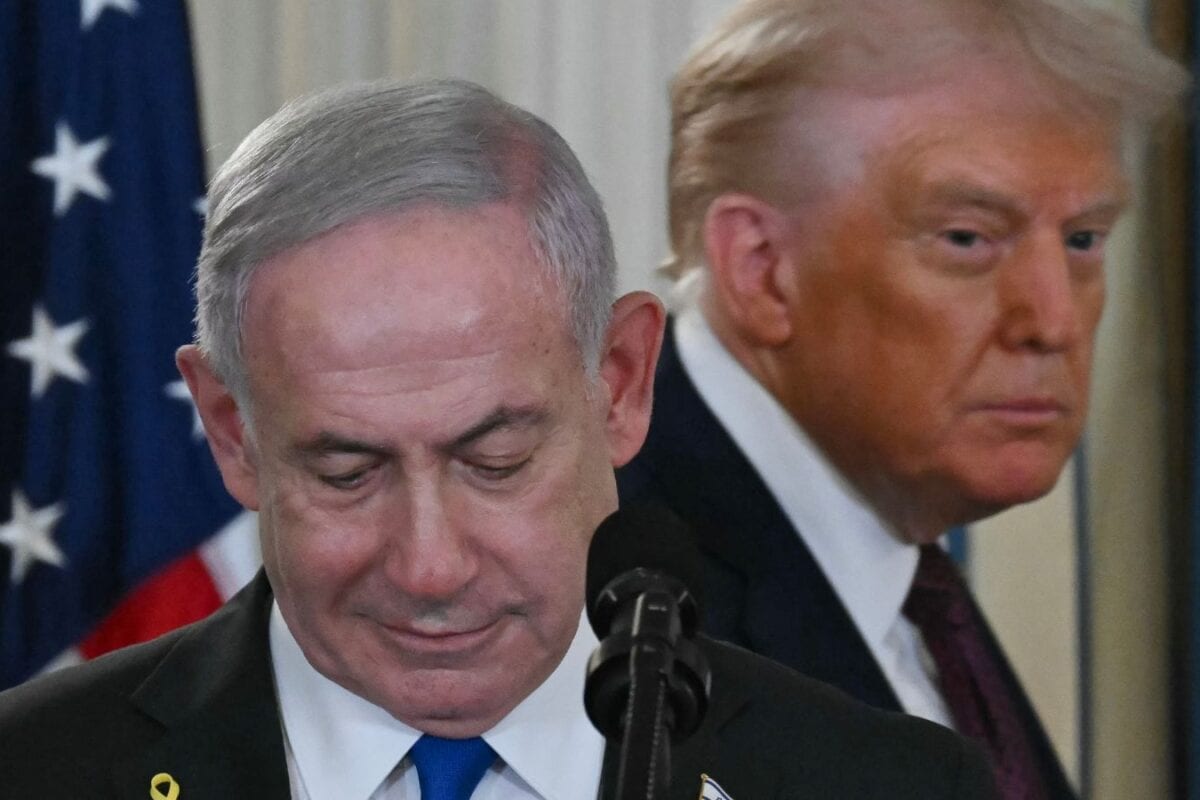
Israel Says It Has 'No Interest' In Joining The US War Against Iran: What Does It Mean Published By, Last Updated: July 21, 2026, 21:33 IST Trump vs Netanyahu: Israel's decision to stay out of the US military operation against Iran has raised fresh questions about its regional strategy. Us President Donald Trump with Israeli Prime Minister Benjamin Netanyahu. (Reuters file photo) Israeli Finance Minister Bezalel Smotrich has said Israel has “no interest" in joining the renewed US military campaign against Iran, arguing that the current conflict and continued economic pressure on Tehran already serve Israel’s interests. “Right now, Israel has no interest in joining the conflict. The current situation, where there’s a war between Iran and the US, is actually the best scenario for us," Smotrich said. His remarks hint that Israel is content with the United States taking the lead in confronting Iran while Israel stays out of direct military action for the time being. Why Israel may prefer to stay out Israel’s position indicates that it believes the current US campaign is already weakening Iran without forcing Israel to bear the immediate costs of war. Strategically, the stance suggests Israel sees an advantage in allowing Washington to maintain military and economic pressure on Tehran while avoiding direct involvement itself.
Joining the conflict could expose Israel to a wider Iranian response, including missile attacks, escalation through Iran-backed proxy groups and increased pressure on energy and shipping routes. By staying out of the fighting, Israel can conserve military resources, keep its forces on alert and continue preparing contingency plans in case the conflict expands. What this means for the conflict? Israel’s decision not to enter the war does not mean it is neutral in the confrontation between the United States and Iran. Instead, it points to a preference for indirect pressure over direct military participation. The current approach allows Israel to benefit from continued pressure on Iran while reducing the risk of becoming the main target of retaliation. However, that position could change quickly if the conflict widens or if Iran poses a more direct threat to Israel. Regional implications Israel’s stance raises the possibility of a more compartmentalised conflict in the Middle East. Under this scenario, the United States and Iran continue exchanging military strikes while Israel remains outside the main battlefield but stays prepared for any escalation. Such an approach could reduce the immediate risk of a full-scale regional war.
 The BriefWire