From Viral To Volatile? What Cockroach Janta Party Protest Reveals About Downsides Of Digital Mobilisation
From Viral To Volatile? What Cockroach Janta Party Protest Reveals About Downsides Of Digital Mobilisation Written By, Last Updated: July 21, 2026, 20:37 IST Viral
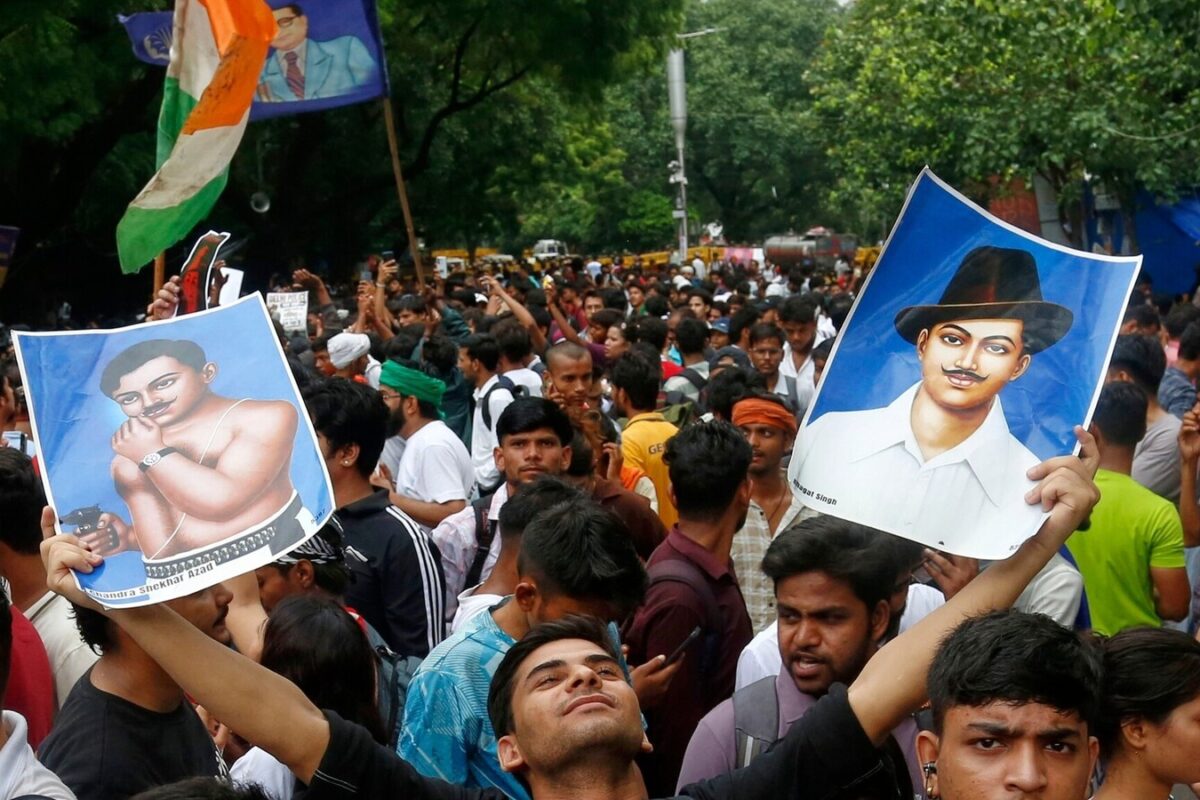
From Viral To Volatile? What Cockroach Janta Party Protest Reveals About Downsides Of Digital Mobilisation Written By, Last Updated: July 21, 2026, 20:37 IST Viral algorithms excel at assembling massive crowds instantly but lack the institutional maturity required to manage them safely The operational vulnerabilities of the CJP became evident during the Delhi demonstration. File image/AP When digital outrage converts into physical crowds, the transition requires rigorous logistical discipline, ground-level marshalling, and clear command structures. The violent escalation at Jantar Mantar during the Cockroach Janta Party (CJP)’ “Chalo Sansad" march on Monday highlighted a growing structural flaw in modern activism: viral algorithms excel at assembling massive crowds instantly but lack the institutional maturity required to manage them safely. As thousands of student protesters attempted to breach security barricades near Parliament, central Delhi descended into chaos. Security forces deployed tear gas and baton charges, metro stations were closed, and dozens of demonstrators and police personnel sustained injuries. The breakdown exposed the critical gap between managing an online audience and stewarding a volatile physical demonstration. From Satirical Hashtag to Street Realities The CJP’s rise was unprecedented in its speed. Founded in May 2026 by digital communications strategist Abhijeet Dipke, the movement began as a satirical parody responding to controversial remarks by Chief Justice Surya Kant regarding unemployed youth.
Leveraging AI tools for content generation and capitalising on widespread student frustration over Eligibility cum Entrance Test (NEET) paper leaks, CJP’s Instagram following exploded past 22 million—surpassing established political handles within weeks. However, social media platforms are engineered to optimise engagement through emotion, conflict, and sudden spikes in attention. They do not train organisers in crowd psychology, emergency de-escalation, or coordinated communication with municipal authorities. When a movement relies entirely on viral feeds rather than trained cadre networks, mob dynamics quickly override organisational intent. Fractures and Unpreparedness Under Pressure The operational vulnerabilities of the CJP became evident during the Delhi demonstration. Lacking standard operating procedures, party leadership struggled to maintain internal cohesion or offer unified direction once security forces intervened. The movement’s internal disarray was further highlighted by public optical blunders, such as the sudden sacking of spokesperson Vijeta Dahiya after viral clips showed him eating at a fast-food outlet during the police crackdown. Accusations regarding poor planning and tactical errors underscored a recurring theme in meme-led movements: a high capacity for digital performance, but minimal capacity for risk management. The Limits of Internet-Born Movements Mass public protests inherently carry security risks, particularly when directed at high-security zones like Parliament.
 The BriefWire