California deploys 400 goats and sheep as 'firefighters' to eat an invasive weed fuelling wildfires and threatening native ecosystems
Why is California using goats and sheep instead of machines? What is yellow star-thistle and why is it a problem? How do the animals help
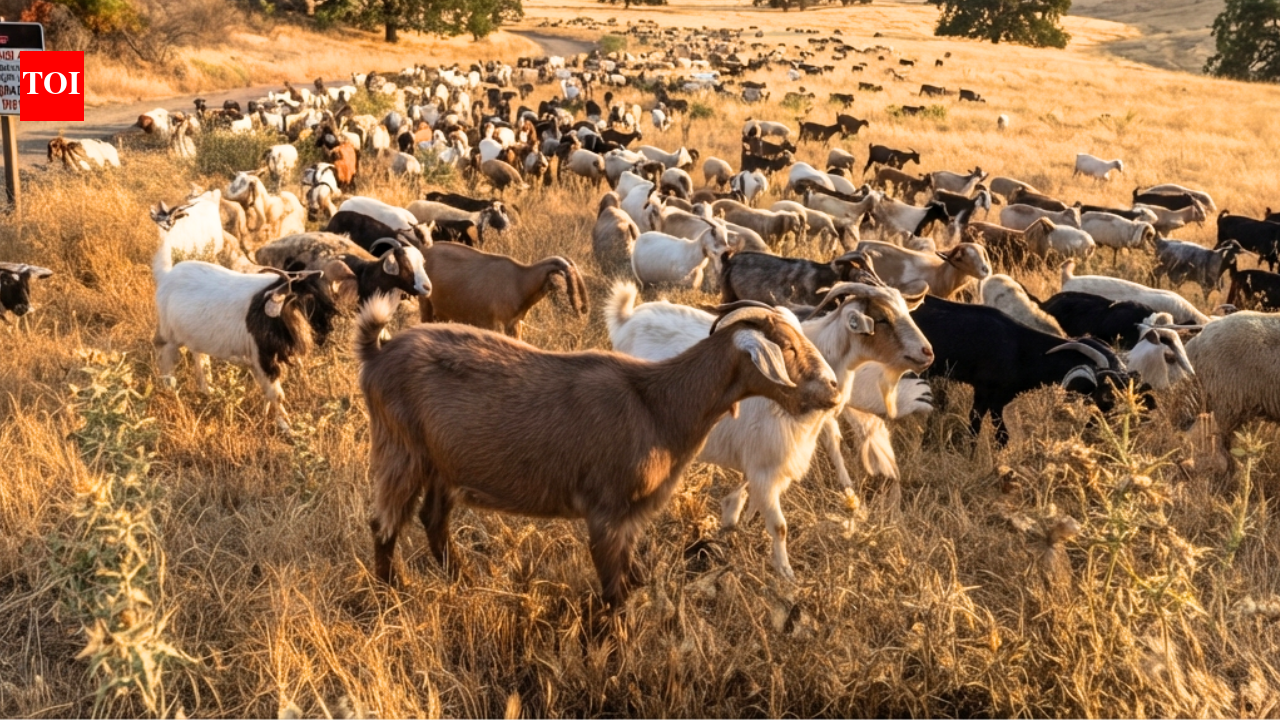
Why is California using goats and sheep instead of machines? What is yellow star-thistle and why is it a problem? How do the animals help prevent future infestations? How does targeted grazing reduce wildfire risk? What happens after the grazing project ends? Why are more communities turning to grazing animals? As California prepares for another intense wildfire season, an unlikely team of firefighters has taken to the fields of northeast Fresno. Around 400 goats and sheep have been deployed to graze across 180 acres of land overrun by yellow star-thistle, an invasive plant that not only crowds out native vegetation but also creates dry fuel that can intensify wildfires. The eight-week grazing programme is part of a habitat restoration effort led by the City of Fresno and the Sierra Resource Conservation District (Sierra RCD). By naturally clearing dense vegetation, the animals are helping reduce wildfire risk while paving the way for native grasses, shrubs and trees to return.The project relies on a conservation technique known as targeted grazing, in which livestock are used to naturally remove unwanted vegetation.
Goats are particularly effective because they happily consume thorny shrubs and weeds that many other animals avoid, while sheep graze on grasses and low-growing plants. Together, they provide an environmentally friendly alternative to bulldozers, lawn mowers and herbicides, especially on uneven or difficult terrain.According to the Sierra RCD, the herd will spend around eight weeks clearing vegetation before restoration crews begin replanting the area with native species later this year.Yellow star-thistle (Centaurea solstitialis) is one of California's most aggressive invasive weeds. Native to the Mediterranean region, it was accidentally introduced to the state during the 19th century and has since spread across millions of acres.The plant produces sharp, spiny flowers and dense patches that outcompete native grasses and wildflowers. During California's hot, dry summers, these infestations dry out and become highly combustible, adding to the vegetation that can fuel fast-moving wildfires. They also reduce biodiversity by replacing the native plants that birds, insects and other wildlife depend on.The goats are doing more than simply eating weeds.
Rebecca Ozeran, a Certified Rangeland Manager with the Sierra Resource Conservation District, explained that the animals readily consume the plant's spiny flowers and seed heads, preventing the next generation of yellow star-thistle from spreading.Removing seeds is a crucial part of long-term invasive weed management because it limits the plant's ability to regenerate, making future restoration efforts far more effective than simply cutting vegetation back.Dense vegetation acts as fuel during wildfire season, allowing flames to spread rapidly once ignited. By reducing this fuel load before the hottest months of the year, targeted grazing helps lower the intensity and speed of potential wildfires.Unlike heavy machinery, goats and sheep can safely reach steep slopes, rocky ground and other areas that are difficult to maintain. They also reduce the need for chemical herbicides and fossil fuel-powered equipment, making targeted grazing a lower-impact method of vegetation management.Once the invasive plants have been cleared, restoration teams plan to replant the site with native grasses, shrubs and trees that are better suited to California's ecosystems.
 The BriefWire