1 Order, 24 Crore Students: Why SC Said No To ‘One Student, One Unique ID’ Mandate Under APAAR
1 Order, 24 Crore Students: Why SC Said No To ‘One Student, One Unique ID’ Mandate Under APAAR Written By, Last Updated: July 21, 2026
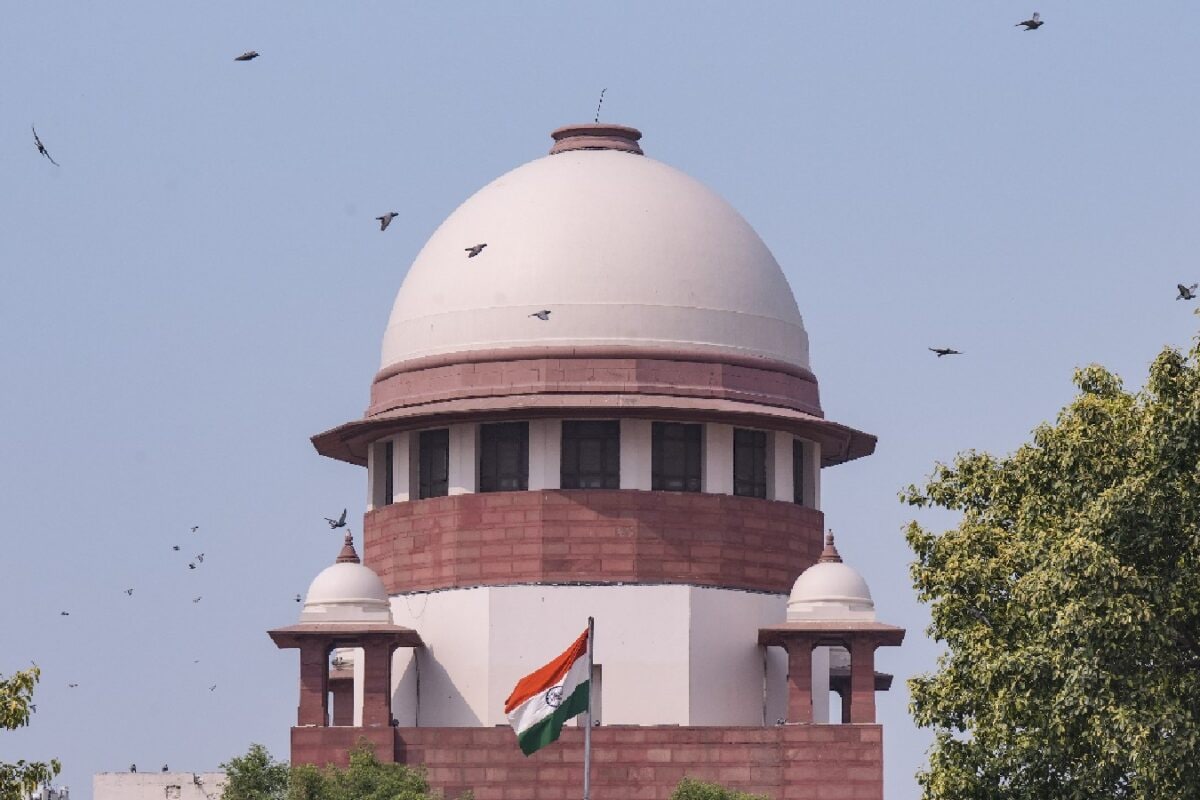
1 Order, 24 Crore Students: Why SC Said No To ‘One Student, One Unique ID’ Mandate Under APAAR Written By, Last Updated: July 21, 2026, 16:44 IST Schools are prohibited from denying admissions, board exam registrations, or mark sheets to students who lack an APAAR ID Rapid Read A three-judge bench led by Surya Kant directed the CBSE to implement an explicit "opt-out or refusal of consent" option in its model consent forms nationwide. In an order that would impact 24 crore students, the Supreme Court on Monday said parents cannot be mandated to create ‘one student, one unique ID’ for their children under Automated Permanent Academic Account Registry (Apaar) scheme, even as it noted the benefits of the scheme. A three-judge bench led by Chief Justice of India Surya Kant directed the Central Board of Secondary Education (CBSE) to implement an explicit “opt-out or refusal of consent" option in its model consent forms nationwide. The order ensures that access to education and board examinations remains unconditioned by digital registry enrolment.
TAKEAWAYS FROM THE RULING The Supreme Court extended a December 2025 Orissa High Court judgment nationwide, creating a unified rule for all states. Schools are prohibited from denying admissions, board exam registrations, or mark sheets to students who lack an APAAR ID. Post-facto withdrawal of consent is insufficient; parents must have the choice to refuse registration at the outset. The Court ruled that school registry mandates must strictly align with the Digital Personal Data Protection (DPDP) Act, 2023. BENEFITS VERSUS PRIVACY CONCERNS It will simplfy transfer of student records between schools instantly. The ID will help educational bodies monitor teacher-student ratios and curricula. It will streamlines scholarship disbursements and digitizes mark sheets. It forces Aadhaar-linked verification for board exam eligibility. Creating a permanent, centralized, lifelong tracking ledger risks surveillance. It violates child privacy protections and the “Right to be Forgotten". LEGAL CONTEXT Senior Advocate Indira Jaising, representing the petitioner-parents, argued that making an APAAR ID necessary for board exams indirectly forces families to obtain Aadhaar for their children.
This practice directly conflicts with the landmark 2018 K.S. Puttaswamy (Right to Privacy) judgment, which established that children cannot be compelled to secure an Aadhaar number. While the bench praised the programmatic objective of APAAR as a “welcome step," it emphasized that administrative execution must respect constitutional and data privacy safeguards. News18 Newsletter Handpicked stories, in your inbox A newsletter with the best of our journalism submit Key Questions Answered What are the long-term implications for student data privacy? The Supreme Court has directed the CBSE to provide an explicit opt-out option for the APAAR ID scheme, prohibiting schools from denying admissions or services to students without the ID. Will this ruling affect other government digital ID schemes? The Supreme Court's ruling on the APAAR ID scheme, which mandates an opt-out option for parents, does not directly address other government digital ID schemes. How can parents opt out of the APAAR ID system? Parents can opt out of the APAAR ID system by refusing consent at the outset, as schools are prohibited from denying admissions, board exam registrations, or mark sheets to students without an APAAR ID.
 The BriefWire