Section 338: Why Trump Revived A 1930 Law To Impose 50% Tariffs On Canadian Wine, Hockey Gear & More
Section 338: Why Trump Revived A 1930 Law To Impose 50% Tariffs On Canadian Wine, Hockey Gear & More Published By, Last Updated: July 21
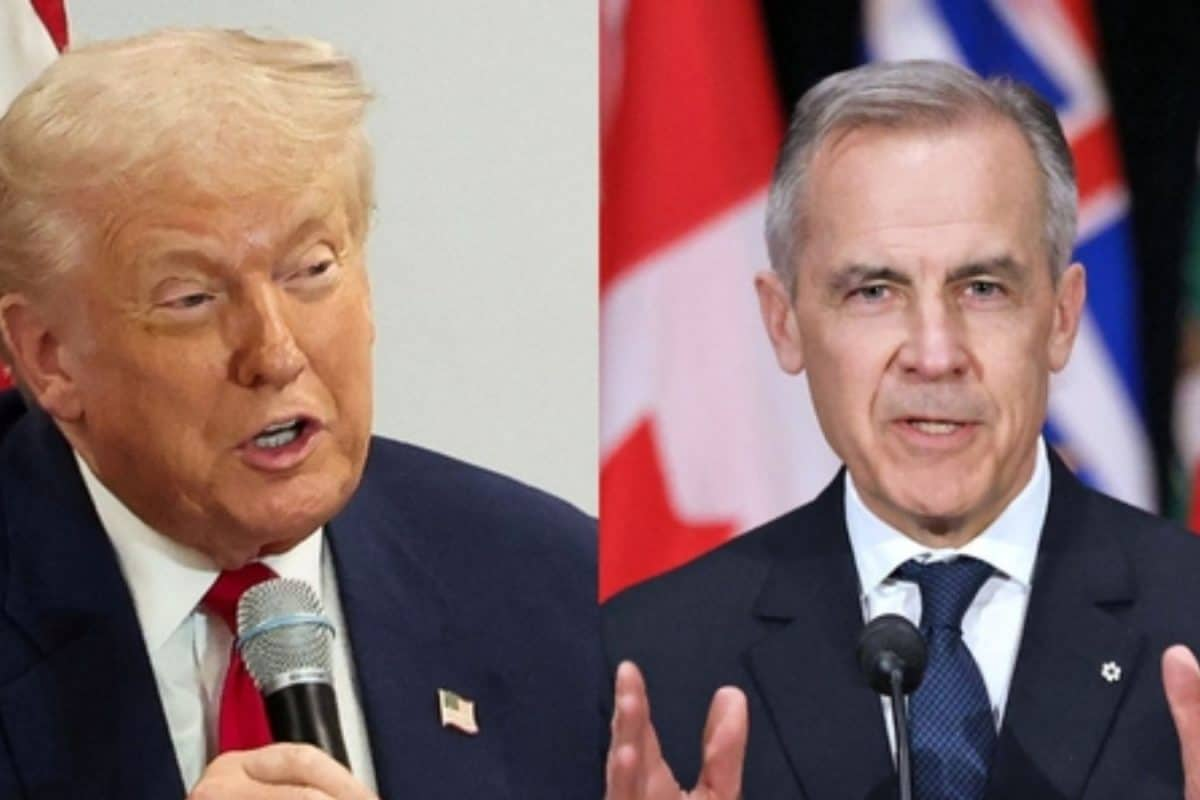
Section 338: Why Trump Revived A 1930 Law To Impose 50% Tariffs On Canadian Wine, Hockey Gear & More Published By, Last Updated: July 21, 2026, 16:17 IST On July 20, Trump signed three proclamations imposing an additional 50 per cent tariff on a broad range of Canadian goods. Rapid Read US President Donald Trump and Canada's PM Mark Carney | File Image/AFP US President Donald Trump has opened a fresh chapter in the trade dispute with Canada by announcing a sweeping 50 per cent tariff on a wide range of Canadian imports. But unlike many of his earlier tariff decisions, this one rests on a little-known law that has remained largely untouched for nearly a century: Section 338 of the Tariff Act of 1930. The move marks a significant escalation in US-Canada trade tensions and signals that the Trump administration is turning to older statutory powers after courts curtailed some of the broader tariff authorities it had relied on earlier. On July 20, Trump signed three proclamations imposing an additional 50 per cent tariff on a broad range of Canadian goods, accusing Ottawa of discriminating against American exports, particularly automobiles, dairy products and alcoholic beverages. The new duties are scheduled to come into force after a 30-day window, giving both countries time for negotiations. According to the White House, the tariffs are intended to counter what it calls Canada’s “unreasonable and unequal treatment" of US commerce. The administration argues that Canada continues to maintain trade barriers and policies that disadvantage American producers despite years of bilateral trade agreements.
The new duties cover products ranging from wine, furniture and clothing to cement and sports equipment, including hockey gear. However, key commodities such as energy products, potash, fish and critical minerals have been exempted, reflecting their strategic importance to the US economy. The Trump administration says the tariffs are a response to Canada’s treatment of American exports rather than a blanket protectionist measure. In its official fact sheet, the White House accused Canada of maintaining discriminatory policies affecting American automobiles, dairy and alcohol products, arguing that these practices burden US businesses and workers. The Office of the US Trade Representative similarly said the action was necessary to offset Canada’s discriminatory treatment of US exports. Trump has repeatedly criticised Canada’s dairy supply management system, restrictions affecting US alcohol sales and policies governing automobile trade. The latest announcement brings those longstanding complaints together under a single legal mechanism. What Is Section 338? Section 338 is part of the Tariff Act of 1930, legislation enacted during the Great Depression. The provision allows the US President to impose additional duties of up to 50 per cent on imports from a country if it is determined that the country discriminates against US commerce or imposes unfair restrictions on American goods. The objective was to give the President a retaliatory tool against countries seen as treating US exports unfairly. Despite existing on the statute books for nearly a century, Section 338 has rarely, if ever, been used in modern trade policy. It has often been described by trade experts as a “dormant" or “nuclear" trade provision because of the sweeping authority it gives the President.
 The BriefWire