'We Propose That He Be Shifted': Delhi HC Allows Sonam Wangchuk To Be Moved To Medanta Hospital
'We Propose That He Be Shifted': Delhi HC Allows Sonam Wangchuk To Be Moved To Medanta Hospital Published By, Last Updated: July 21, 2026, 14:03
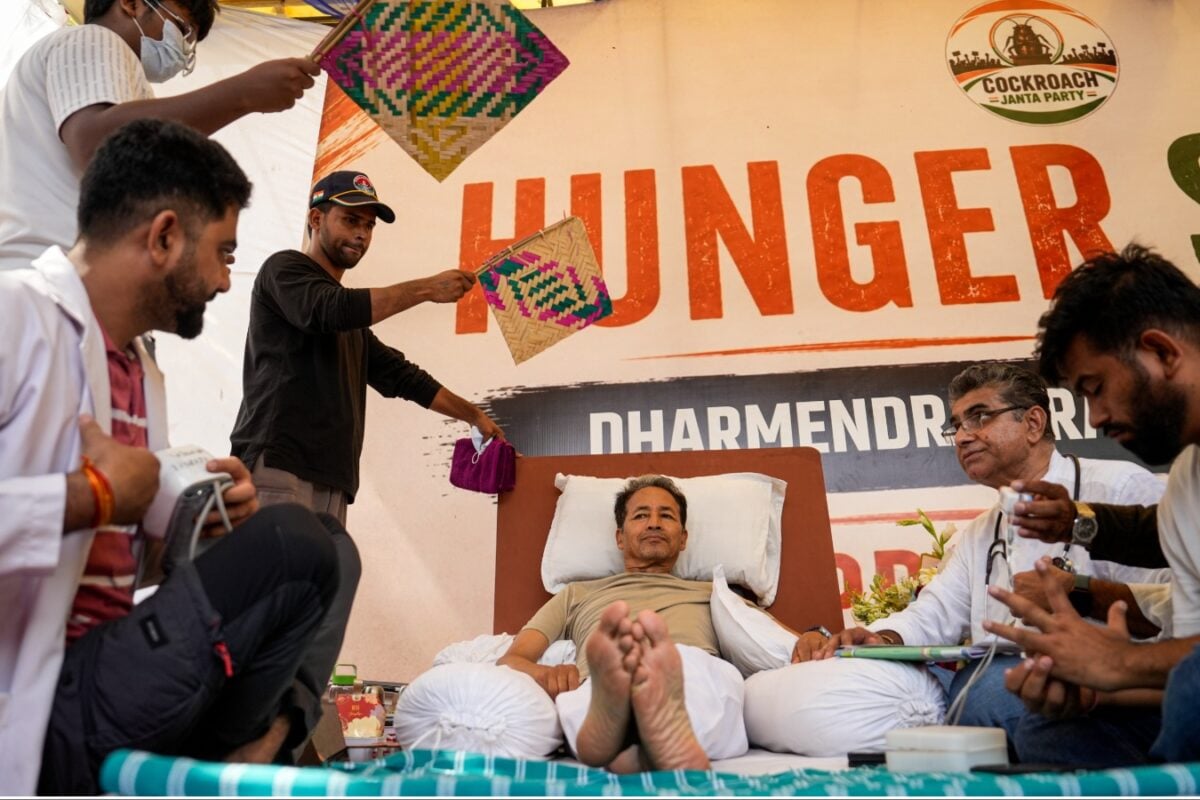
'We Propose That He Be Shifted': Delhi HC Allows Sonam Wangchuk To Be Moved To Medanta Hospital Published By, Last Updated: July 21, 2026, 14:03 IST The Delhi High Court proposed shifting activist Sonam Wangchuk to Medanta Hospital after hearing doctors' opinions. The court will pronounce its order later today. Rapid Read The Delhi High Court proposed shifting activist Sonam Wangchuk to Medanta Hospital after doctors advised continued medical monitoring. (Photo: PTI) The Delhi High Court on Tuesday proposed shifting climate activist Sonam Wangchuk from Safdarjung Hospital to Medanta Hospital after hearing submissions from doctors and both sides, but said it would pass its formal order later in the day. The proposal came during the hearing of an appeal filed by Wangchuk’s wife, Gitanjali Angmo, challenging a single-judge order that had declined to grant interim relief allowing him to be shifted to a private hospital of his choice. The matter was heard by a division bench comprising Chief Justice DK Upadhyaya and Justice Tejas Karia. After examining medical reports and interacting with doctors from AIIMS, Safdarjung Hospital and Wangchuk’s treating physicians, the bench observed that there was a consensus among medical experts that the activist required continuous hospital-based monitoring.
“We propose that he be shifted to Medanta, hospital of his choice," the bench said. The court also indicated that, if the proposal is accepted in its final order, all medical records, test reports and treatment details from Safdarjung Hospital would be provided to Medanta so that doctors there could continue Wangchuk’s treatment seamlessly. Appearing for the Centre, Solicitor General Tushar Mehta said the government had no objection to Wangchuk being shifted to Medanta, describing it as a reputed hospital. However, he requested that the activist should not leave the hospital against medical advice and that any future discharge should be based on the opinion of Medanta’s doctors. Senior Advocate Akhil Sibal, appearing for Wangchuk’s wife, submitted medical opinions from doctors who have been treating the activist over the years and argued that while his vital parameters were stable, he wished to exercise his right to continue his hunger strike. Sibal also referred to a letter from Wangchuk raising concerns about his experience at Safdarjung Hospital, including restrictions on communication and surveillance. During the hearing, doctors from AIIMS and Safdarjung Hospital informed the bench that Wangchuk’s blood reports showed persistent abnormalities, including low white blood cell count and haemoglobin levels, making him vulnerable to infection.
 The BriefWire