Kaveri 2.0: Why India's Indigenous Fighter Jet Engine Dream Is Getting A Second Chance
Kaveri 2.0: Why India's Indigenous Fighter Jet Engine Dream Is Getting A Second Chance Published By, Last Updated: July 21, 2026, 15:55 IST The engine
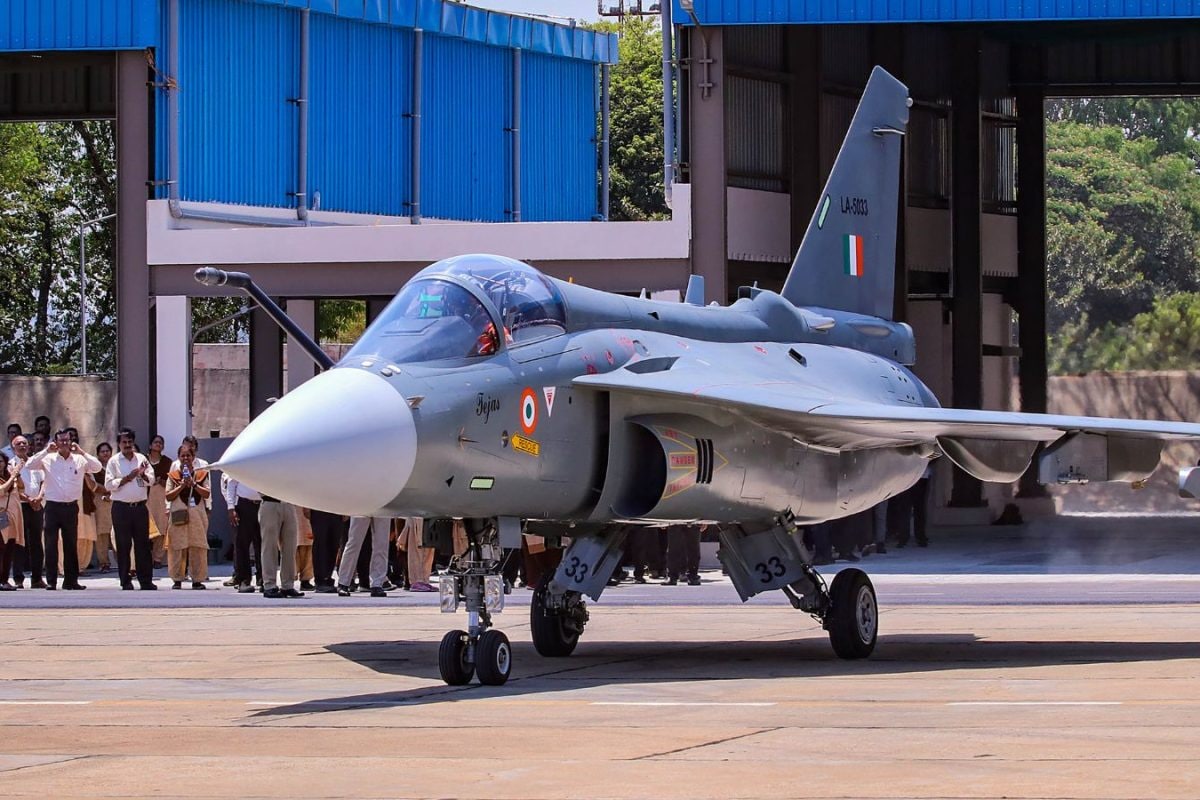
Kaveri 2.0: Why India's Indigenous Fighter Jet Engine Dream Is Getting A Second Chance Published By, Last Updated: July 21, 2026, 15:55 IST The engine is now being viewed as a long-term solution for future combat platforms rather than as a replacement for the Tejas. Rapid Read The government and defence scientists are looking at a revamped "Kaveri 2.0" to eventually power future combat aircraft, including later variants of India's ambitious fifth-generation Advanced Medium Combat Aircraft (AMCA) (File pic/PTI) For decades, the Kaveri engine has symbolised both India’s aerospace ambitions and one of its biggest technological setbacks. Conceived to power the Light Combat Aircraft (LCA) Tejas, the indigenous fighter jet engine ultimately failed to meet the Indian Air Force’s requirements, forcing the Tejas programme to rely on American-made General Electric engines. Now, after years of delays, redesigns and technological upgrades, Kaveri is back in the spotlight. The government and defence scientists are looking at a revamped “Kaveri 2.0" to eventually power future combat aircraft, including later variants of India’s ambitious fifth-generation Advanced Medium Combat Aircraft (AMCA). While significant challenges remain, experts believe the programme has a stronger foundation today than it did two decades ago. A Dream Born In The 1980s The Kaveri engine project was launched in 1986 by the Gas Turbine Research Establishment (GTRE), a laboratory under the Defence Research and Development Organisation (DRDO). The objective was ambitious: develop an indigenous turbofan engine capable of powering India’s first homegrown fighter aircraft. At the time, only a handful of countries possessed the expertise to design and manufacture modern fighter jet engines. India hoped Kaveri would eliminate dependence on foreign suppliers and establish a domestic aero-engine ecosystem. However, developing a fighter engine proved far more difficult than anticipated.
Unlike commercial aircraft engines, fighter jet engines must deliver enormous thrust while remaining compact, lightweight and capable of operating under extreme temperatures and combat conditions. Why Kaveri Could Not Power Tejas Over the years, Kaveri underwent extensive testing in India and abroad. While it demonstrated several technological capabilities, it consistently fell short of the thrust required for the Tejas fighter. The engine was heavier than planned and could not generate the level of thrust needed for sustained supersonic performance with an afterburner. Achieving the required reliability and durability also proved challenging. As a result, India officially delinked the Kaveri engine from the Tejas programme in 2008, paving the way for the aircraft to fly with GE F404 engines and later the more powerful F414 engine for future variants. Many viewed this as the end of the Kaveri project. Instead, it became an opportunity to continue developing critical engine technologies rather than abandoning decades of research. Why Kaveri 2.0 Looks Different The renewed optimism stems from the fact that Kaveri 2.0 is not simply the original engine being revived. It is expected to incorporate lessons learnt over decades of testing, advances in materials, improved turbine technologies, modern digital engine controls and manufacturing techniques that were unavailable when the programme began. India is also exploring international collaboration for specialised technologies while retaining the goal of developing an indigenous engine. Such partnerships could help bridge critical gaps in high-temperature materials, turbine blade technology and engine performance. The engine is now being viewed as a long-term solution for future combat platforms rather than as a replacement for the Tejas. The proposed Kaveri 2.0 represents a significant upgrade over the original engine that failed to power the Tejas fighter. The most notable improvement is expected to be higher thrust.
 The BriefWire