Iran, US Both Struck ‘Civilian Sites’ During War: Does Law Bar Attack On Schools, Hospitals, Bridges?
Iran, US Both Struck ‘Civilian Sites’ During War: Does Law Bar Attack On Schools, Hospitals, Bridges? Written By, Last Updated: July 21, 2026, 14:46 IST
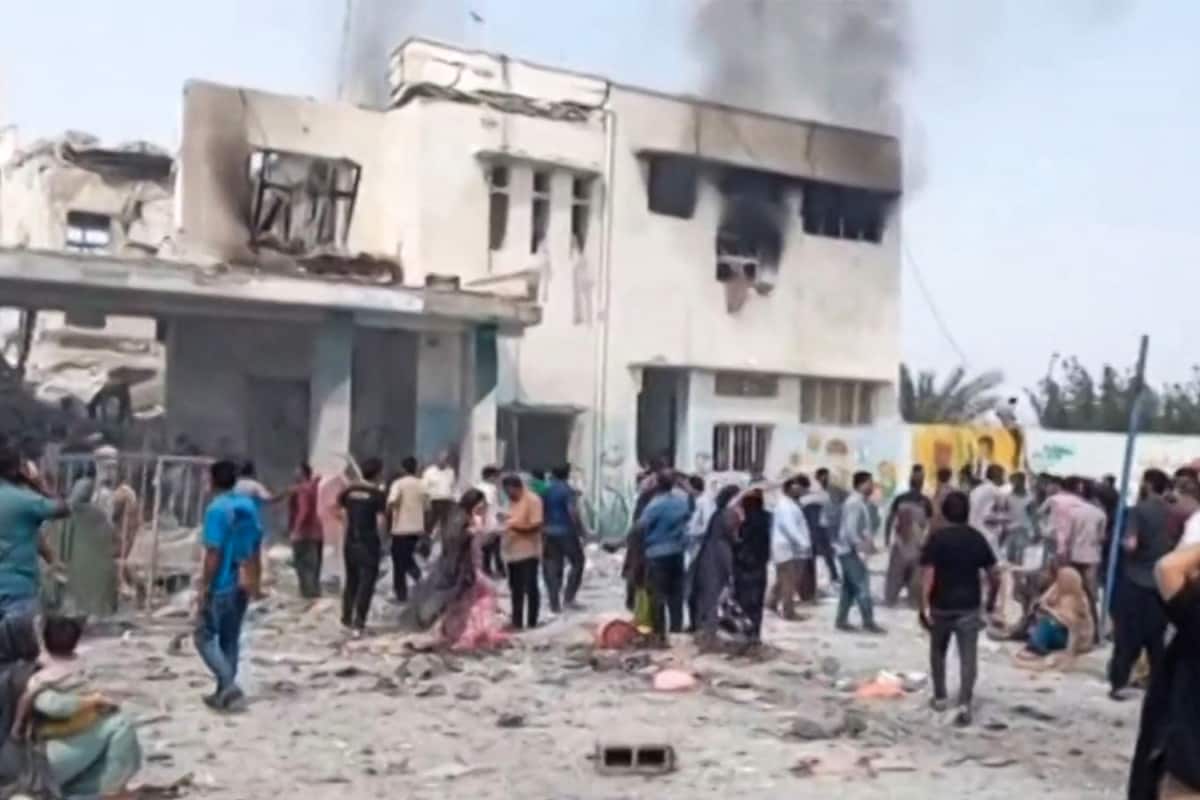
Iran, US Both Struck ‘Civilian Sites’ During War: Does Law Bar Attack On Schools, Hospitals, Bridges? Written By, Last Updated: July 21, 2026, 14:46 IST Under International Humanitarian Law (IHL), civilian sites are strictly protected from direct attack or reprisals. News18 explains where US and Iran actually struck Rapid Read The Shajareh Tayyebeh girls' elementary school in Minab that was struck. (AFP File) Amid the ongoing 2026 US–Iran war, both sides have accused each other of violating international law by striking civilian-heavy infrastructure. What are civilian sites? Under international law, “civilian sites" (or civilian objects) are defined as all objects that are not legitimate military objectives. Per the Geneva Conventions and their 1977 Additional Protocols, civilian infrastructure includes places normally dedicated to civilian purposes (such as schools, houses, and places of worship) as well as critical facilities that support daily societal functioning, including roads, bridges, railways, airports, power grids, water networks, and hospitals. Under International Humanitarian Law (IHL), civilian sites are strictly protected from direct attack or reprisals. However, they can lose this protected status if they are deemed “dual-use"—meaning they are being actively used to provide an effective contribution to the enemy’s military operations, according to Al Jazeera and other reports. WHERE THE US HAS HIT: TARGETS INSIDE IRAN While the US White House and Central Command (CENTCOM) maintain that they strike exclusively military targets and logistics hubs, numerous civilian infrastructure sites across southern and western Iran have sustained heavy damage, according to Al Jazeera and other reports Bridges and Railway Networks: Strategic transit assets have been repeatedly targeted.
US air strikes destroyed the vital Kahurestan Bridge and six other bridges in Hormozgan province (including the Gariyeh and Marou village bridges). The Aq Taqeh Khan railway bridge in Golestan province and critical railway routes connecting Tehran to Mashhad have also been hit. Civilian Airports and Seaports: Minor-to-moderate damage was reported at Iranshahr Airport in southeastern Iran, Semnan Airport, and Tohid-Jam airport. Additionally, commercial harbors and fishing piers have been struck in Kish, Sirik county, and Bandar Abbas, causing civilian casualties and burning fishing boats. Water and Food Storage Facilities: Strikes destroyed the Bonji village desalination plant in southern Jask, cutting off 10,000 residents from freshwater. A bottled water facility in Dehloran and agricultural wheat-storage silos in Hoveyzeh and Dasht-e Azadegan counties were also targeted. Schools and Medical Infrastructure: Earlier in the conflict on February 28, 2026, a deadly US missile strike intended for an adjacent IRGC naval base destroyed the Shajareh Tayyebeh girls’ elementary school in Minab, killing roughly 150 children and staff. More recently, the Baghaei Specialized Hospital in Ahvaz was rendered completely inoperable following nearby strikes, forcing the emergency evacuation of over 200 patients. Nuclear Power Infrastructure: Iran’s Atomic Energy Organization reported that overnight US air strikes struck the under-construction Darkhovin nuclear power plant in southwestern Khuzestan province. The International Atomic Energy Agency (IAEA) confirmed the strike but clarified that the site does not yet pose a radiological risk as it contains no nuclear material. WHERE IRAN HAS HIT: THE TARGETS IN THE GULF Iran’s Islamic Revolutionary Guard Corps (IRGC) asserts that its ballistic missile and drone operations exclusively target US military installations.
 The BriefWire