Trump To Treasury: Andy Burnham's 3 Surprise Cabinet Picks That Could Redefine Britain's Global Role
Trump To Treasury: Andy Burnham's 3 Surprise Cabinet Picks That Could Redefine Britain's Global Role Published By, Last Updated: July 21, 2026, 14:10 IST Among
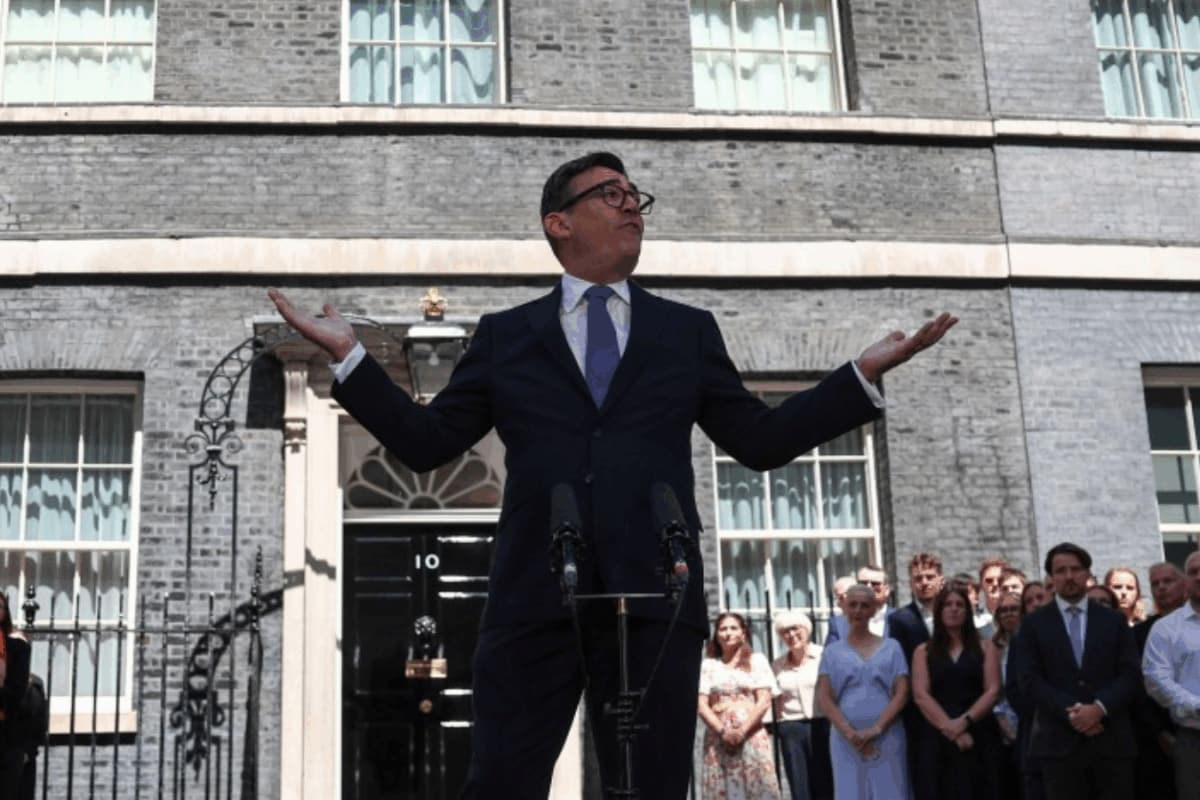
Trump To Treasury: Andy Burnham's 3 Surprise Cabinet Picks That Could Redefine Britain's Global Role Published By, Last Updated: July 21, 2026, 14:10 IST Among the biggest talking points are the elevation of John Healey to the Treasury, the appointment of Ed Miliband as foreign secretary, and Wes Streeting's move to Defence. Rapid Read Britain's new PM Andy Burnham gives his first speech in front of 10 Downing Street in central London on July 20, 2026. (AFP photo) Andy Burnham’s first Cabinet as Britain’s new prime minister has signalled that he intends to chart a different course from his predecessor, Keir Starmer. While several senior Labour figures have retained key positions, Burnham has also made a series of unexpected appointments that have reshaped some of the government’s most powerful ministries. Among the biggest talking points are the elevation of Defence Secretary John Healey to the Treasury, the appointment of climate campaigner Ed Miliband as foreign secretary, and Wes Streeting’s move to Defence despite months of speculation about his own leadership ambitions. Together, the appointments offer an early glimpse into Burnham’s political priorities and the direction his government is likely to take. John Healey: The Defence Chief Who Criticised ‘Treasury Orthodoxy’ Perhaps the biggest surprise was Andy Burnham handing the Treasury to John Healey. Until now, Healey had served as defence secretary, where he repeatedly argued that Britain’s defence capabilities could not be constrained by what he described as “Treasury orthodoxy" – a criticism aimed at the strict fiscal approach that had shaped government spending decisions. Healey had been among the strongest advocates for increasing defence expenditure as Britain grappled with a more volatile global security environment marked by the Russia-Ukraine war, instability in the Middle East and growing strategic competition with China.
His disagreements over defence funding became one of the defining issues in Labour’s internal debates before Burnham emerged as leader. His appointment as Chancellor therefore represents a striking political reversal. Instead of arguing against Treasury constraints from outside, Healey will now be responsible for balancing Britain’s finances while also accommodating demands for higher military spending, investment in public services and economic growth. Markets and political observers had widely expected other senior ministers with stronger economic credentials to receive the job. Burnham’s choice suggests he values Healey’s political judgment and sees him as someone capable of marrying economic policy with Britain’s evolving national security priorities. Ed Miliband: Testing Ties With Donald Trump Another headline-grabbing appointment is Ed Miliband’s move from energy policy to the Foreign Office. Miliband has spent years championing ambitious climate policies and leading Britain’s push towards net zero. As energy secretary, he became one of Labour’s most recognisable advocates for clean energy, often taking positions that contrasted sharply with US President Donald Trump’s support for fossil fuels and scepticism towards aggressive climate action. His appointment as foreign secretary comes at a delicate moment in UK-US relations, particularly with Trump back in the White House. One issue likely to attract attention is Miliband’s reported opposition to granting the United States unrestricted military access through the strategically important Diego Garcia base in the Indian Ocean during recent tensions involving Iran. The issue has become symbolic of broader debates over Britain’s relationship with Washington and how much independence London should exercise in foreign policy. Miliband is also expected to place climate diplomacy much higher on Britain’s foreign policy agenda, potentially making environmental cooperation a central pillar of international engagement alongside traditional security and trade concerns.
 The BriefWire