APAAR ID explained: What it is, how it works, and why it has drawn scrutiny
The Supreme Court on Monday directed the Central Board of Secondary Education (CBSE) to implement the Orissa High Court's directions on APAAR ID consent forms
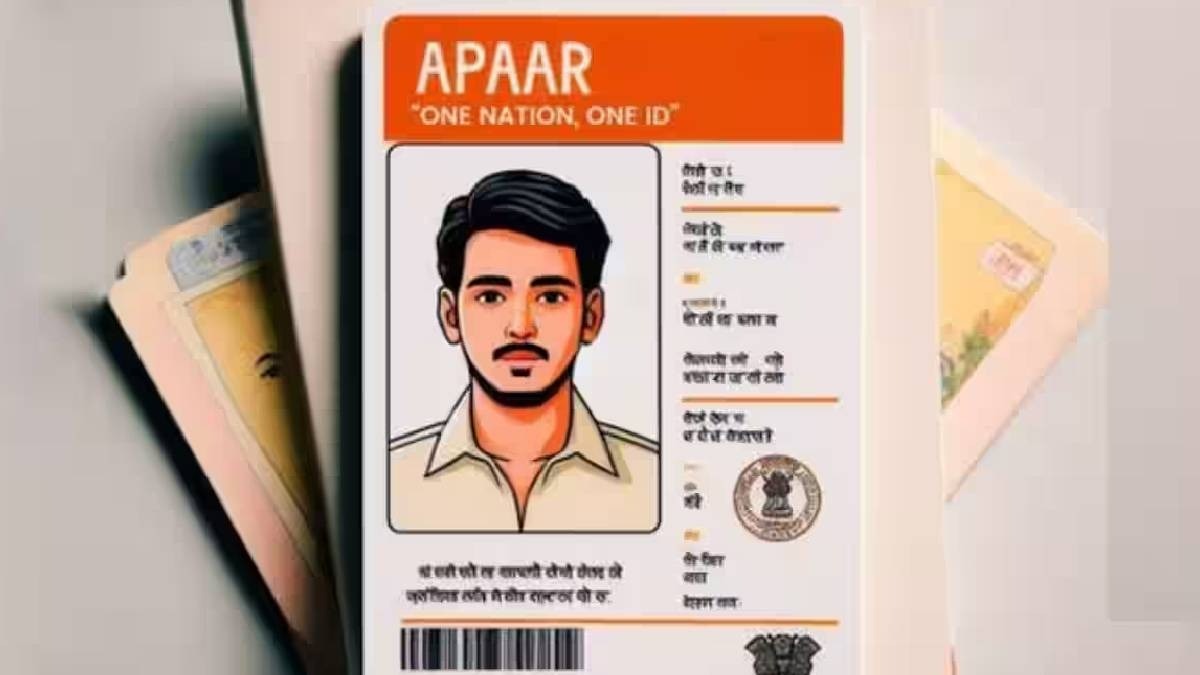
The Supreme Court on Monday directed the Central Board of Secondary Education (CBSE) to implement the Orissa High Court's directions on APAAR ID consent forms across the country. The court said parents must be clearly informed that they have the option to refuse consent or withdraw it later, and that the scheme must comply with the Digital Personal Data Protection Act, 2023. Read Full Story The order has renewed attention on APAAR (Automated Permanent Academic Account Registry), a programme that has steadily expanded across schools as part of the Education Policy (NEP) 2020. WHAT IS APAAR ID? APAAR is a unique lifelong student identification number developed under the Centre's "One Nation, One Student ID" initiative. It is designed to create a single digital academic identity for every learner from pre-primary education to higher education.
The ID is linked with a student's Aadhaar after obtaining parental consent and is integrated with DigiLocker and the Academic Bank of Credits (ABC). The idea is to create a permanent digital repository of academic records that can be accessed across schools, boards and higher education institutions. According to the Ministry of Education, the system is intended to Maintain a lifelong digital academic record. Reduce paperwork during admissions and transfers. Allow seamless movement between schools and educational institutions. Store certificates, report cards and academic achievements digitally. Support implementation of the Education Policy's vision of integrated student records. While the government has described APAAR as a voluntary initiative, civil society groups and digital rights advocates have raised concerns over children's privacy and data protection.
WHAT DID THE ORISSA HIGH COURT SAY? In December 2025, the Orissa High Court held that if APAAR is indeed voluntary, parents must be given a genuine choice to decline participation. The court directed authorities to modify the model consent form to include an explicit opt-out or refusal option. It also emphasised that privacy is an inherent right and that consent must be informed and meaningful rather than presumed. WHAT HAS THE SUPREME COURT NOW DIRECTED? Hearing a plea seeking similar safeguards nationwide, the Supreme Court said CBSE should implement the Orissa High Court's directions across all affiliated schools. The Supreme Court observed that parents should be able to refuse consent or withdraw it later and stressed that the APAAR framework must comply with the Digital Personal Data Protection Act, 2023.
 The BriefWire