Sikkim Tunnel Collapse Rescue Ops: Dizzy Workers To Inflammable Path, Why Methane Is Big Risk In Underground Work
Sikkim Tunnel Collapse Rescue Ops: Dizzy Workers To Inflammable Path, Why Methane Is Big Risk In Underground Work Written By, Last Updated: July 21, 2026
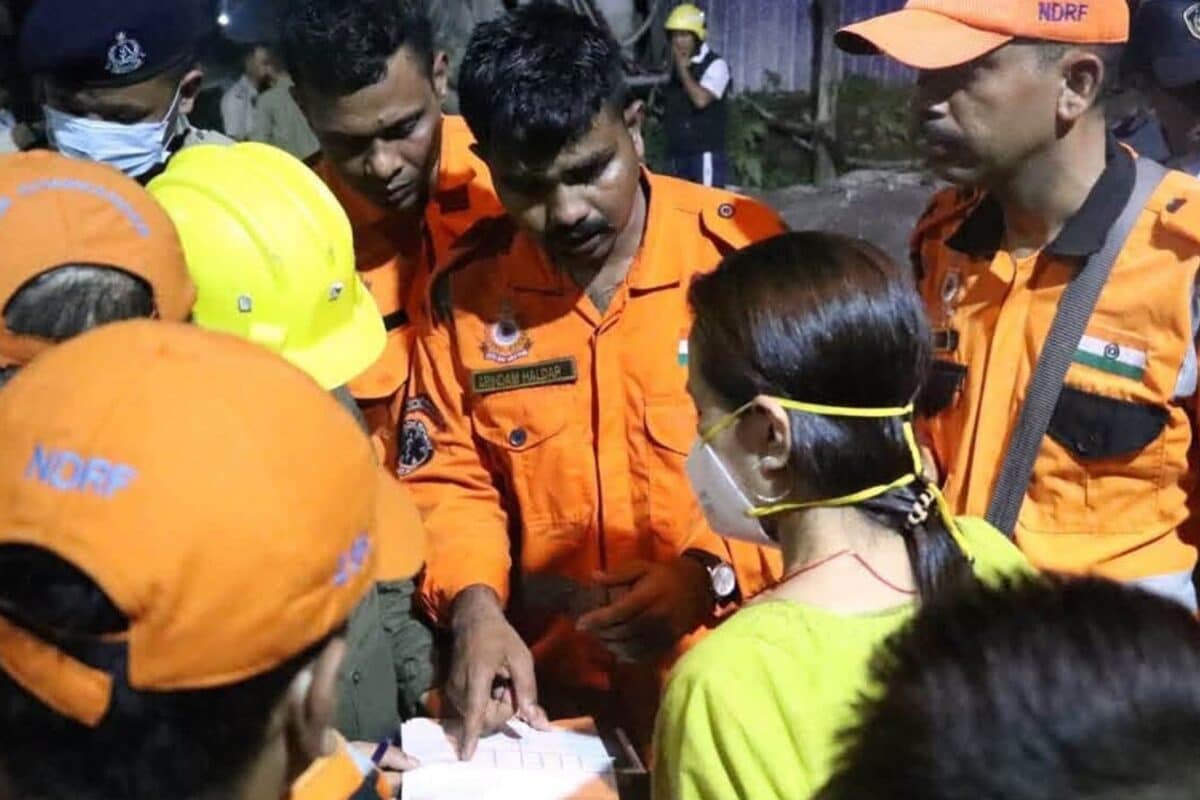
Sikkim Tunnel Collapse Rescue Ops: Dizzy Workers To Inflammable Path, Why Methane Is Big Risk In Underground Work Written By, Last Updated: July 21, 2026, 13:14 IST The gas trouble explained: Methane is one of the most severe hazards in underground construction because it is highly explosive, invisible, and acts as an asphyxiant Rapid Read Sikkim tunnel collapse rescue ops are on. (ANI) A landslide caused an under-construction tunnel to collapse in Sikkim’s Namchi district on Monday, killing at least 10 people. The teams of the Namchi district administration, Sikkim State Disaster Management Authority (SSDMA), Sikkim Police, State Disaster Response Force (SDRF), Fire and Emergency Services, and the Disaster Response Force (NDRF) from Pakyong and Siliguri, along with other specialised agencies, are working to recover the bodies of the remaining at least 17 workers trapped inside the tunnel, Sikkim Chief Minister Prem Singh Tamang said. A suspected methane buildup and subsequent explosion triggered the landslide that blocked the tunnel, trapping workers. The rescue operation had been complicated by the presence of gas inside the tunnel, with several personnel experiencing dizziness and losing consciousness while attempting to reach the trapped workers, district officials said. The gas is believed to be naturally emanating from underground strata or rock formations disturbed by the landslide, they said. Why underground projects face critical risks from methane, News18 explains. THE RESCUE OPS IN SIKKIM “Ten bodies have been recovered till 9.30 am on Tuesday. Seven of the deceased have been identified, while three unidentified bodies were sent to the District Hospital Singtam and STNM Hospital," the Namchi police said in a statement.
Following the tragic incident at the under-construction tunnel of the NHPC Teesta Stage VI Hydroelectric Project at Samardung, Jholungey, in Namchi District, Hon'ble Prime Minister Shri Narendra Modi Ji spoke with me to enquire about the situation and the ongoing rescue…— Prem Singh Tamang (Golay) (@PSTamangGolay) July 21, 2026 Of the seven identified deceased, four were from West Bengal’s Jalpaiguri, one each from Assam, Punjab and Uttarakhand’s Dehradun, and one was a resident of Namchi, it said. “My heartfelt condolences go to the families of the workers, who have lost their lives. In this hour of grief, the thoughts and prayers of the entire state are with the bereaved families, and we stand firmly by them during this difficult time," Tamang said in a statement. The chief minister said he was closely monitoring the ongoing rescue operation. “Following the tragic incident at the under-construction tunnel of the NHPC Teesta Stage VI Hydroelectric Project at Samardung, Jholungey, in Namchi District, Hon’ble Prime Minister Narendra Modi spoke with me to enquire about the situation and the ongoing rescue operations," the chief minister said on X. In the wake of the tragic incident at the under-construction tunnel of the NHPC Teesta Stage VI Hydroelectric Project at Samardung, Jholungey, in Namchi District, Hon’ble Union Home Minister Shri Amit Shah Ji spoke with me to review the situation and the ongoing rescue efforts.…— Prem Singh Tamang (Golay) (@PSTamangGolay) July 21, 2026 WHY METHANE GAS IS A HAZARD IN UNDERGROUND CONSTRUCTION Methane gas is one of the most severe hazards in underground construction because it is highly explosive, invisible, and acts as an asphyxiant.
 The BriefWire