Should Houthis’ Saudi Blockade Threat Worry India? 4 Reasons Why Red Sea’s Bab al-Mandab Is Key
Should Houthis’ Saudi Blockade Threat Worry India? 4 Reasons Why Red Sea’s Bab al-Mandab Is Key Written By, Last Updated: July 21, 2026, 12:22 IST
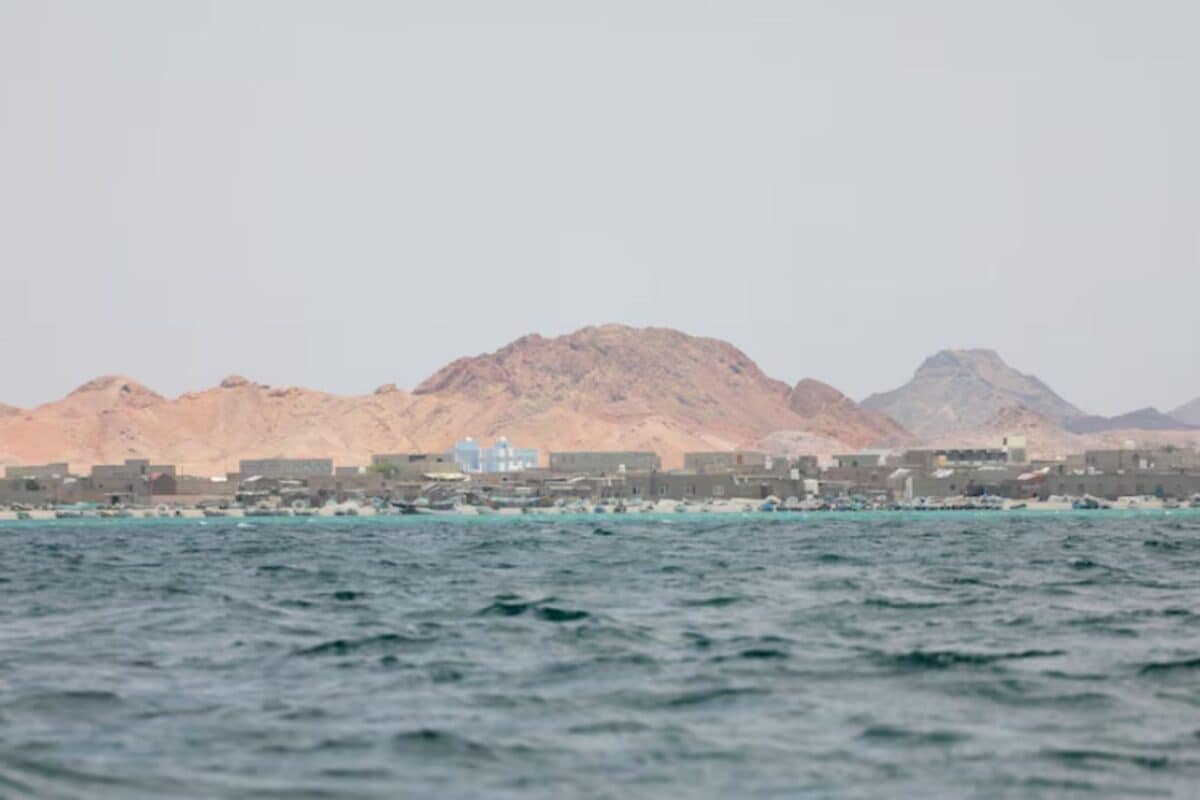
Should Houthis’ Saudi Blockade Threat Worry India? 4 Reasons Why Red Sea’s Bab al-Mandab Is Key Written By, Last Updated: July 21, 2026, 12:22 IST As India relies heavily on Middle Eastern energy and Red Sea trade routes, a closure or disruption of the Bab al-Mandab Strait could hit Indian economy through multiple channels Rapid Read A view of a village on the coast of Bab al-Mandab. (Reuters File) Yemen’s Houthi rebels have officially announced an immediate naval blockade against Saudi Arabia in retaliation for what the group calls an oppressive siege on Houthi-controlled ports and airports. The announcement marks a significant escalation and threatens to widen the ongoing regional conflict. Will it impact India? News18 explains. The naval blockade Houthi military spokesman Yahya Saree declared the “maritime embargo" on the “Saudi enemy" effective immediately, framing it under the “equation of an eye for an eye." The group has threatened to close off or target the Bab al-Mandab Strait, the crucial southern gateway to the Red Sea. The Bab al-Mandab Strait is the southern gateway to the Red Sea, acting as a critical maritime chokepoint that connects the Red Sea to the Gulf of Aden and the Indian Ocean. Located between Yemen on the Arabian Peninsula and Djibouti and Eritrea in the Horn of Africa, this strait is the only entry point into the Red Sea from the south. All maritime traffic passing between the Mediterranean Sea and the Indian Ocean via the Suez Canal must navigate this corridor.
How the blockade will impact the world? If enforced, the naval blockade has the potential to critically disrupt global energy supplies and spike shipping insurance costs. Saudi Arabia produces over 10 million barrels of crude oil per day. Since the ongoing US-Iran war severely restricted movement through the Strait of Hormuz, Saudi Arabia has relied heavily on Red Sea routes to export oil to Asia. A full shutdown of the Bab al-Mandab Strait could reduce global oil supplies by approximately 7%. Saudi and international response The Saudi-led coalition in Yemen quickly condemned the Houthi statement, denouncing the blockade threat as an act of “maritime piracy" and a violation of international law. The coalition confirmed that it has already begun implementing active protection measures for commercial and Saudi ships transiting through the strait. The United Nations warned that the blockade and the escalating cross-border strikes risk expanding the conflict well beyond the immediate region. Why the conflict The conflict began in 2014 when the Houthis seized Yemen’s capital, Sanaa. A Saudi-led coalition intervened in 2015 to back the internationally recognized government. A fragile truce had held since 2022. On July 13, 2026, the Saudi-led coalition struck Sanaa International Airport to block an Iranian plane from landing. In response, the Houthis fired ballistic missiles at Saudi Arabia’s Abha International Airport. Following the airstrikes, the Houthis declared an immediate maritime blockade against Saudi Arabia, targeting the Bab al-Mandab Strait. This forms a dangerous “two-front" maritime crisis, as the Strait of Hormuz has already been severely disrupted by the ongoing US-Iran war.
 The BriefWire