'Only If Pakistan Abjures Terrorism': India Says Indus Waters Treaty Won't Work In Current Form
'Only If Pakistan Abjures Terrorism': India Says Indus Waters Treaty Won't Work In Current Form Published By, Last Updated: July 21, 2026, 08:06 IST Government
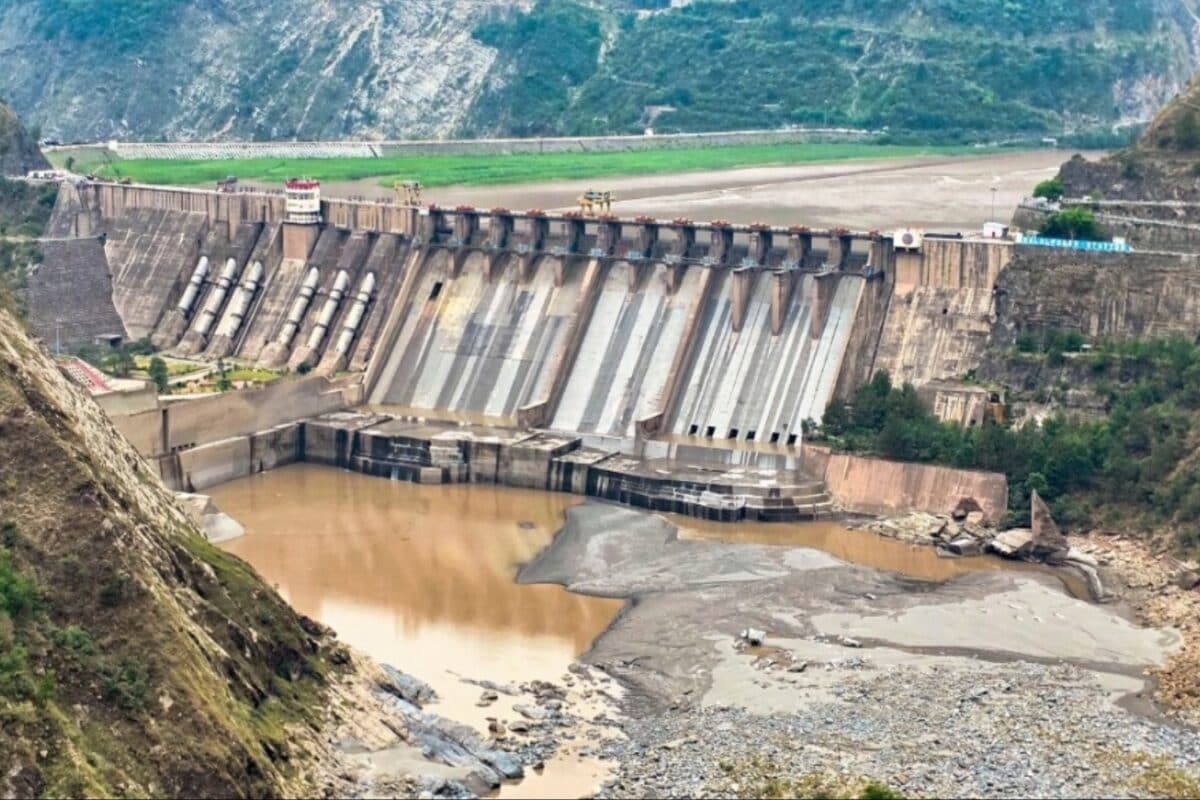
'Only If Pakistan Abjures Terrorism': India Says Indus Waters Treaty Won't Work In Current Form Published By, Last Updated: July 21, 2026, 08:06 IST Government sources say the Indus Waters Treaty in its current form will not function again. Any future water-sharing arrangement depends on Pakistan ending cross-border terrorism. Government sources say the current Indus Waters Treaty cannot be revived unless Pakistan permanently ends cross-border terrorism and a modified framework is negotiated. (Photo: Social Media) Indus Waters Treaty Current Status: The Indus Waters Treaty (IWT) in its present form is unlikely to become operational again, with any future arrangement on sharing river waters dependent on Pakistan permanently ending cross-border terrorism against India, news agency PTI quoted government sources as saying on Monday. Speaking about the future of the over-65-year-old water-sharing agreement, the sources said that if cooperation under the treaty is ever restored, it would have to be under a revised framework rather than the existing pact. They maintained that Pakistan’s continued support for terrorism remains the biggest obstacle to any revival of the agreement. “It would be accurate to say that the Indus Waters Treaty in its present form will not function again. If provisions related to river water sharing have to be reactivated, they have to be done in a different form, not in the present form. And only if Pakistan abjures terrorism," a government source said. The remarks come months after India placed the treaty in abeyance following the April 2025 Pahalgam terror attack that claimed the lives of 26 civilians. The suspension formed part of a series of diplomatic and economic measures announced against Pakistan after the attack. ALSO READ | Pakistan Seeks Canada’s Support For Restoration Of Indus Waters Treaty: ‘Weaponisation Of Water’ India has maintained that the attack was carried out by The Resistance Front (TRF), which they describe as a proxy of the Pakistan-based Lashkar-e-Taiba (LeT).
In May, India launched Operation Sindoor, targeting what it described as terrorist infrastructure in Pakistan. India Not Looking To Exit Treaty For Now Government sources clarified that India is not actively considering withdrawing from the Indus Waters Treaty at present. However, they stressed that as a sovereign nation, India retains the right to terminate any international agreement if it is found to be against the country’s interests. “It (exiting the IWT) depends on the actions that Pakistan takes going forward," a source said. According to the sources, the future of the treaty will primarily depend on whether Pakistan takes credible and irreversible steps to dismantle terror infrastructure and end cross-border terrorism. India Rejects Pakistan’s Water Scarcity Narrative The sources also dismissed Pakistan’s claim that India’s decision to keep the treaty in abeyance has led to water shortages in the country. Instead, they argued that Pakistan loses a substantial portion of the water it already receives due to poor storage infrastructure, widespread leakages and unresolved water-sharing disputes among its own provinces. According to the sources, Islamabad is attempting to create a “false narrative" by blaming India for problems rooted in its domestic water management. The government also said there is no indication that Pakistan has taken meaningful steps to curb terrorism despite India’s repeated concerns. The source further alleged that individuals and organisations designated by the United Nations Security Council’s 1267 Sanctions Committee continue to operate openly in Pakistan. “On the contrary, we continue to receive reports that proscribed individuals and entities sanctioned by the UN Security Council’s 1267 sanctions committee continue to appear at public events in Pakistan, continue to be able to have platforms that they can use to propagate their messages," the source said. Another source said Indian agencies continue to receive intelligence indicating that terrorist activity across the Line of Control remains active.
 The BriefWire