Texas releases 3M eggs to revive extinct Houston toad — first male spotted 50 yrs later
A vanished Houston Toad Why is the Houston Toad so vulnerable? Releasing three million eggs to rebuild wild populations Texas partnership Looking forward We often
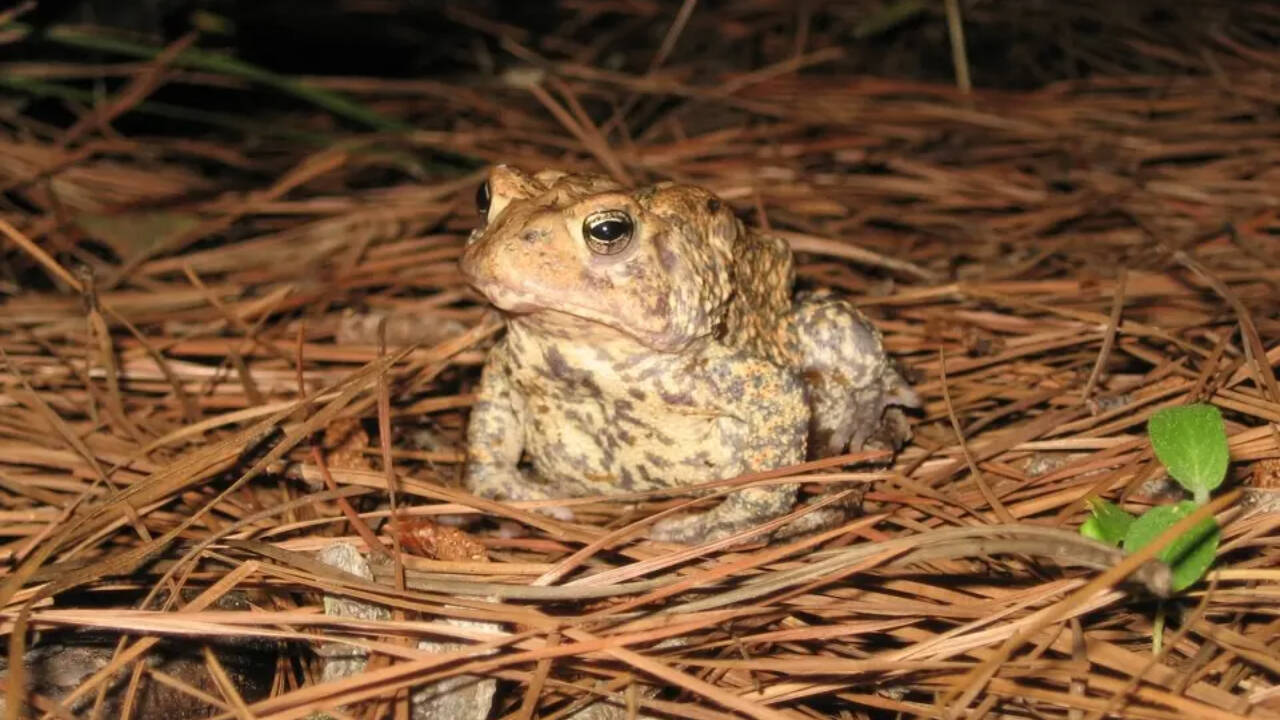
A vanished Houston Toad Why is the Houston Toad so vulnerable? Releasing three million eggs to rebuild wild populations Texas partnership Looking forward We often forget that our present and future are shaped by the past and sometimes the reflection of the past surprises the present in a unique way. If you think that only happens with humans, read this information to be amazed. A tiny amphibian that vanished from the Houston area over five decades ago is now showing a hopeful resurgence in Central Texas. Conservationists announced the sighting of a male Houston toad on a restored private property in Bastrop County, delivering renewed hope for one of America’s most imperiled amphibians.According to reports, the discovery follows the release of some 3 million captive-bred Houston toad eggs by the U.S. Fish and Wildlife Service (USFWS) this year as part of an ambitious conservation program to rebuild wild populations and restore habitats across Texas. For the uninitiated, the species remains critically endangered, but the recent sighting suggests that years of work restoring its habitat and breeding it in captivity are beginning to have encouraging results.Native to parts of Southeast Texas, including Harris County, the Houston toad occupied sandy forests and seasonal wetlands.However, the species declined dramatically in the mid-20th century due to rapid urban expansion, land development and habitat destruction.
If reports are to be believed, by 1975, the Houston toad had been extirpated from Harris County. Today, the only known naturally-occurring wild population survives in Bastrop County, making its conservation a top priority for wildlife agencies and environmental organizations. The species was among the first amphibians to receive protection under the U.S. Endangered Species Act when it was officially listed as endangered in 1970.According to wildlife experts, unlike many amphibians that can thrive in a variety of habitats, the Houston toad requires very specific environmental conditions. It inhabits sandy soils, open loblolly pine forests, native grasslands, and temporary rain-fed ponds in which it breeds in spring.It has been found that when the eggs hatch, young toads become tadpoles, eventually transforming and spreading out into the surrounding forests. Then, adults migrate to breeding ponds from up to three miles away through suitable habitat. It has been found that with roads, housing developments, invasive grasses and dense brush breaking up the forests, the toads had an increasingly difficult time getting between breeding sites. Isolated populations shrank and lost genetic diversity, accelerating the species' decline.Conservationists have spent more than 20 years breeding Houston toads in captivity to reverse decades of population loss.
 The BriefWire