29% Of Pakistanis, Nearly 3 In 10, Now Live Below Poverty Line As Economic Crises Bite
29% Of Pakistanis, Nearly 3 In 10, Now Live Below Poverty Line As Economic Crises Bite Published By, Last Updated: July 20, 2026, 23:13 IST
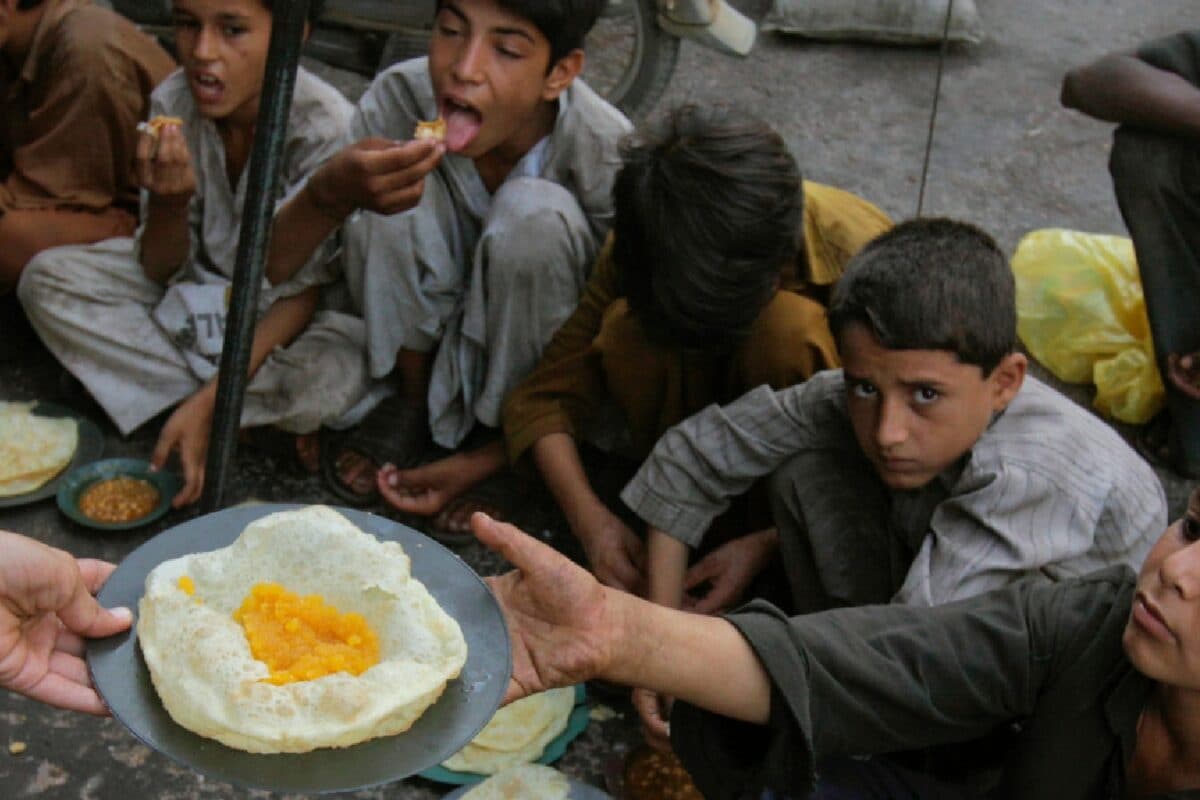
29% Of Pakistanis, Nearly 3 In 10, Now Live Below Poverty Line As Economic Crises Bite Published By, Last Updated: July 20, 2026, 23:13 IST The analysis argues that whatever gains the economy did make were concentrated among higher-income groups, while poorer households saw their purchasing power eroded by inflation. A new analysis shows Pakistan's poverty rate has climbed to 29%, with years of inflation, weak growth and economic crises pushing millions below the poverty line. (IMAGE: REUTERS FILE) Nearly three in every 10 Pakistanis now live below the poverty line, laying bare the deep economic scars left by years of runaway inflation, repeated financial crises and sluggish growth, according to a new analysis published by Dawn. The report, based on Pakistan’s latest Household Integrated Economic Survey (HIES) and Pakistan Social and Living Standards Measurement (PSLM), found that the country’s poverty rate climbed to 28.9 per cent in 2024-25, up sharply from 21.8 per cent in 2018-19.
The deterioration comes after nearly six years without fresh household survey data, offering one of the clearest snapshots yet of how successive economic shocks have reshaped living standards across Pakistan. Rural Pakistan has borne the heaviest burden. Poverty in the countryside rose by around eight percentage points during the period, compared with roughly six percentage points in urban areas, highlighting the widening gap between cities and villages. According to the analysis, the surge in poverty reflects the cumulative impact of repeated balance-of-payments crises, the Covid-19 pandemic, soaring inflation, rising commodity prices and prolonged economic adjustment measures. The report also points to what analysts describe as a “lost decade" for ordinary Pakistanis. Inflation-adjusted household incomes and consumption declined across two consecutive survey cycles, indicating that many families are worse off today than they were several years ago despite periods of economic growth.
The analysis argues that whatever gains the economy did make were concentrated among higher-income groups, while poorer households saw their purchasing power steadily eroded by inflation. Families dependent primarily on wages were among the hardest hit, as rising prices outpaced income growth. Wealthier Pakistanis, meanwhile, were relatively better insulated because of ownership of assets such as property and financial investments that tend to appreciate during inflationary periods. News18 Newsletter Handpicked stories, in your inbox A newsletter with the best of our journalism submit Key Questions Answered How does this impact Pakistan's global economic standing? Pakistan's global economic standing is negatively impacted by a soaring poverty rate, which reached 28.9% in 2024-25, affecting nearly 70 million people. Will urban-rural poverty gap continue to widen? Rural poverty in Pakistan rose from 28.2% to 36.2% between 2018-19 and 2024-25, while urban poverty increased from 11% to 17.4%.
 The BriefWire