92,101 cases pending: Govt introduces bill to add 4 Supreme Court judges
A bill to replace an ordinance that increased the number of Supreme Court judges by four was introduced in the Lok Sabha on Monday, with
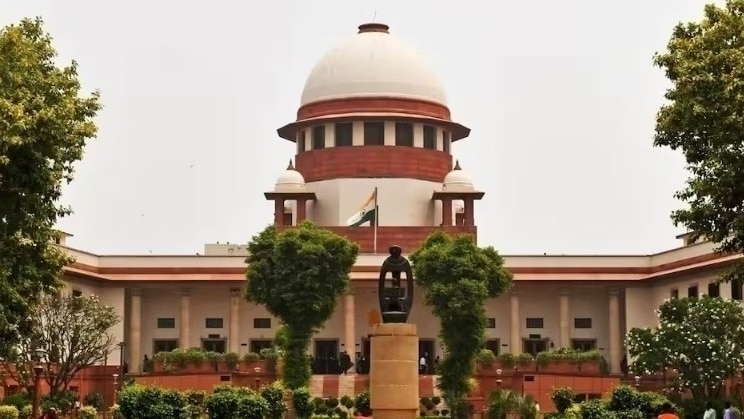
A bill to replace an ordinance that increased the number of Supreme Court judges by four was introduced in the Lok Sabha on Monday, with the government saying a higher judge strength is among the most urgent and workable ways to deal with the mounting pendency of cases in the top court. Law Minister Arjun Ram Meghwal introduced the bill amid slogan-shouting by Opposition members over the NEET paper leak and the alleged theft of Ram temple donations. The bill does not require a Constitutional amendment and can be passed with a simple majority. Read Full Story The Union Cabinet had cleared the proposal in May to raise the sanctioned strength of the Supreme Court, but the government later brought an ordinance.
Following the ordinance, the sanctioned strength of the apex court rose to 38 from 34, including the Chief Justice of India, and five judges were appointed on the basis of the revised strength. According to the bill, the number of cases in the Supreme Court has continued to rise because of a persistent gap between the institution of cases and their final disposal. As on January 1 this year, 92,101 cases were pending in the court. It said that even while functioning at near-full sanctioned strength of 34 judges since 2019, the Supreme Court recorded 75,410 fresh matters against disposal of 65,615 cases. The bill said this continuing gap underlines the challenge of managing the docket, especially older pending matters and cases that need hearing and adjudication by larger Benches.
"The increase in judge strength of the Court is one of the most exigent and viable solutions for tackling the pending backlog of cases in the Supreme Court. It will also make it possible for the Chief Justice of India to constitute Constitutional Benches for a required period of days on a regular basis to hear cases involving a substantial question of law," it said. The Lok Sabha has also admitted a statutory resolution moved by Opposition members against the ordinance. Under procedure, when a bill is brought to replace an ordinance, Opposition members can move a statutory resolution opposing it. An ordinance is an executive power used by the government to make law when Parliament is not in session.
It remains in force for six months, but once Parliament meets, it must be approved by both Houses within six weeks, or 42 days, or it lapses. In sum, the bill seeks to give legislative backing to the increase in Supreme Court judge strength, which the government says is needed to address the court's growing backlog. Ends
 The BriefWire