Why Japan's new imperial law keeps women off the throne
New legislation aims to address the shrinking ranks of Japan's imperial family, while preserving male-only succession despite broad support for a female emperor. Japan's Parliament
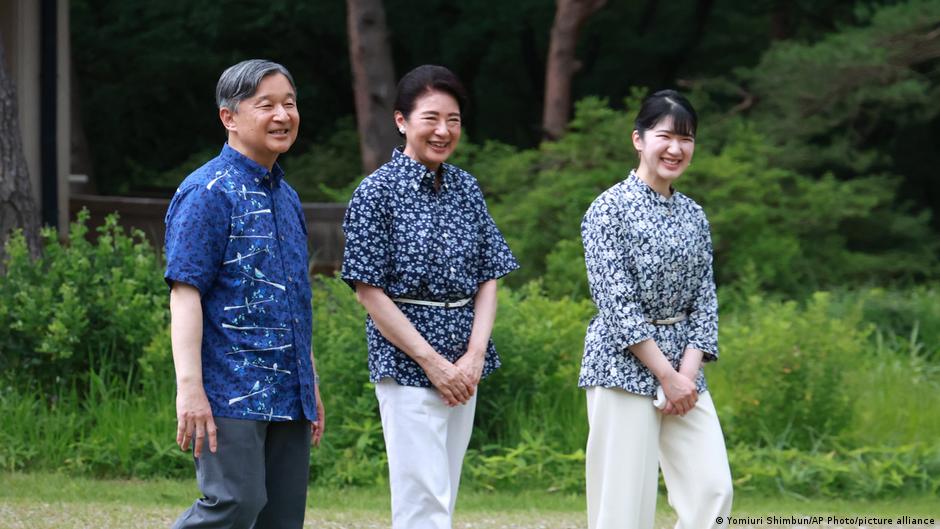
New legislation aims to address the shrinking ranks of Japan's imperial family, while preserving male-only succession despite broad support for a female emperor. Japan's Parliament on Friday approved the first major revision of the country's imperial succession laws, to address the risk that the last young male heir may not have a son. By law, only a paternal-lineage male can become emperor in Japan. Female royals have been required to leave the imperial family when they marry commoners. Japanese Emperor Naruhito, who acceded to the throne in 2019, and his wife, Empress Masako, have one child, 24-year-old Princess Aiko, who was born in 2001. She cannot inherit the throne under the current system. Instead, Naruhito's younger brother, Prince Akishino (also known as Fumihito), is considered the crown prince. Akishino's son, Prince Hisahito, is second in line to the throne. In 2005, a panel appointed by then Prime Minister Junichiro Koizumi unanimously recommended allowing female emperors and succession through the female line. The proposal was shelved after the birth of Prince Hisahito the following year eased immediate concerns. Increasing the likelihood of a male heir At the moment, there are only three candidates who could theoretically succeed the 66-year-old Naruhito: his brother, Crown Prince Akishino (60), Prince Hisahito (19), and Naruhito's uncle Prince Hitachi (90). Prince Hisahito (R) was the first male royal to be born in four decades Image: Kyodo/picture alliance The latest changes, however, allow male members of former collateral branches of the imperial family to be readmitted.
Those branches lost their imperial status after Japan's surrender at the end of World War II and their members have since lived as private citizens. Under the new law, men from those branches can enter the family through adoption if they are at least 15 years old. The adoptees themselves will not receive succession rights, but their future male-line sons will be eligible for the throne. Women are still not legally allowed to ascend to the throne. Opinion polls suggest that the compromise reached by parliament — while endorsed by Prime Minister Sanae Takaichi — is unpopular with much of the wider public, who would rather see Emperor Naruhito's daughter inherit the throne. A nationwide Mainichi Shimbun poll conducted in June found that 40% of respondents supported both a female emperor and female-line succession, while 33% supported a female emperor but opposed female-line succession. Overall, 73% supported a female emperor, compared with 6% who opposed the idea. Rethinking imperial succession This is the first significant revision of the Imperial Household Law since 1947, and it shows "that gender equality is not among the priorities," Sven Saaler of Sophia University in Tokyo said. "A woman on the imperial throne has been pushed even further into the distance by the legal amendment," he told Germany's dpa news agency. An editorial in Japan's liberal Asahi Shimbun newspaper challenged statements made during parliamentary debate that male-line succession represented an unbroken 2,600-year tradition, arguing that parts of the early imperial lineage are rooted in mythology rather than verifiable history.
 The BriefWire