'New political, economic model': New UK PM Burnham hints at big shifts
Andy Burnham at Buckingham Palace Summer 'listening tour' Immediate duties Starmer's resignation 'A new path' for Britain Andy Burnham has become the UK's 59th prime
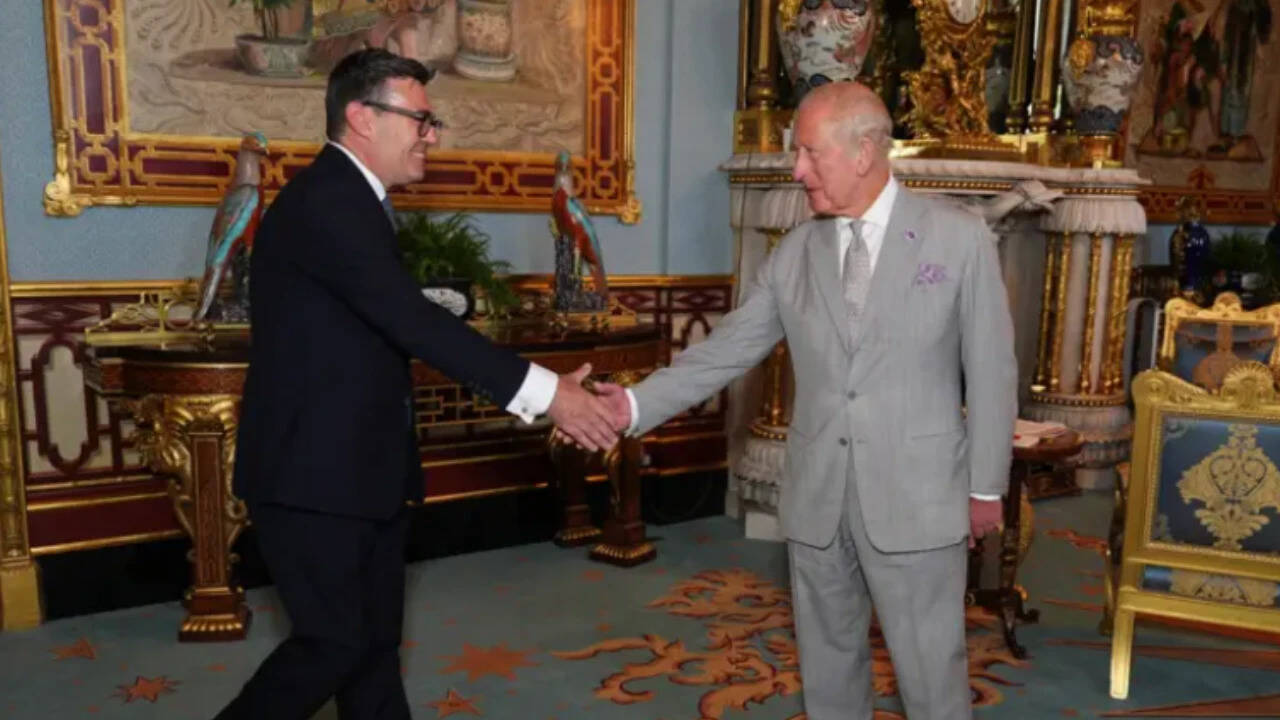
Andy Burnham at Buckingham Palace Summer 'listening tour' Immediate duties Starmer's resignation 'A new path' for Britain Andy Burnham has become the UK's 59th prime minister after winning the Labour leadership unopposed, following Keir Starmer's resignation. He is also the UK’s 7th PM in 10 years.Burnham, 56, formally accepted an invitation from King Charles III to form a government after Starmer tendered his resignation at Buckingham Palace. He became prime minister the moment he accepted the King's invitation, in a ceremony traditionally known as "kissing hands. "The former Greater Manchester mayor, nicknamed the "King of the North," will not face MPs until September when Parliament returns from its si week recess, unless he decides to recall the Commons earlier.Burnham will undertake a "listening tour" of the UK in August while Parliament is in recess.
Among the areas understood to be on his itinerary is Port Talbot in south Wales, which saw the closure of its last steel-making blast furnace in September 2024, resulting in 2,800 job losses as it transitions to greener steel-making.Several Welsh Labour MPs told BBC Wales that they understand Burnham intends to visit the town, once home to the UK's largest steelworks.Once appointed, Burnham will immediately begin naming his Cabinet, including senior ministers such as the chancellor, foreign secretary and home secretary.His government assumes office immediately, with no inauguration or parliamentary confirmation vote required.Attention is expected to turn quickly to his domestic agenda, with media reports suggesting one of his first major decisions could be to place Thames Water into a Special Administration Regime, bringing the company under temporary public control while it is restructured.Starmer announced on June 22 that he would step down after less than two years in office, following heavy Labour losses in local elections and political controversies including his decision to appoint Peter Mandelson as ambassador to the US despite his ties to Jeffrey Epstein.At his final Prime Minister's Questions, Starmer defended his record, citing stronger protections for working people, a reduction in child poverty, a law to stop official cover-ups after tragedies, and higher defence spending.
"I am proud to leave this country in a better shape than I found it," he said.Under party rules, candidates must secure the backing of at least one-fifth of Labour MPs to enter the race. Burnham met that threshold and, with no other candidates standing, was elected unopposed.In his first speech as Labour leader, Burnham promised to chart "a new path" for Britain, focusing on making life more affordable and reducing regional inequalities."This change today is the most significant moment
 The BriefWire