Sonam Wangchuk Has Ended Hunger Strike, But He Can Eat Normal Meals Only After 7-10 Days: Here’s Why
Sonam Wangchuk Has Ended Hunger Strike, But He Can Eat Normal Meals Only After 7-10 Days: Here’s Why Published By, Last Updated: July 20, 2026
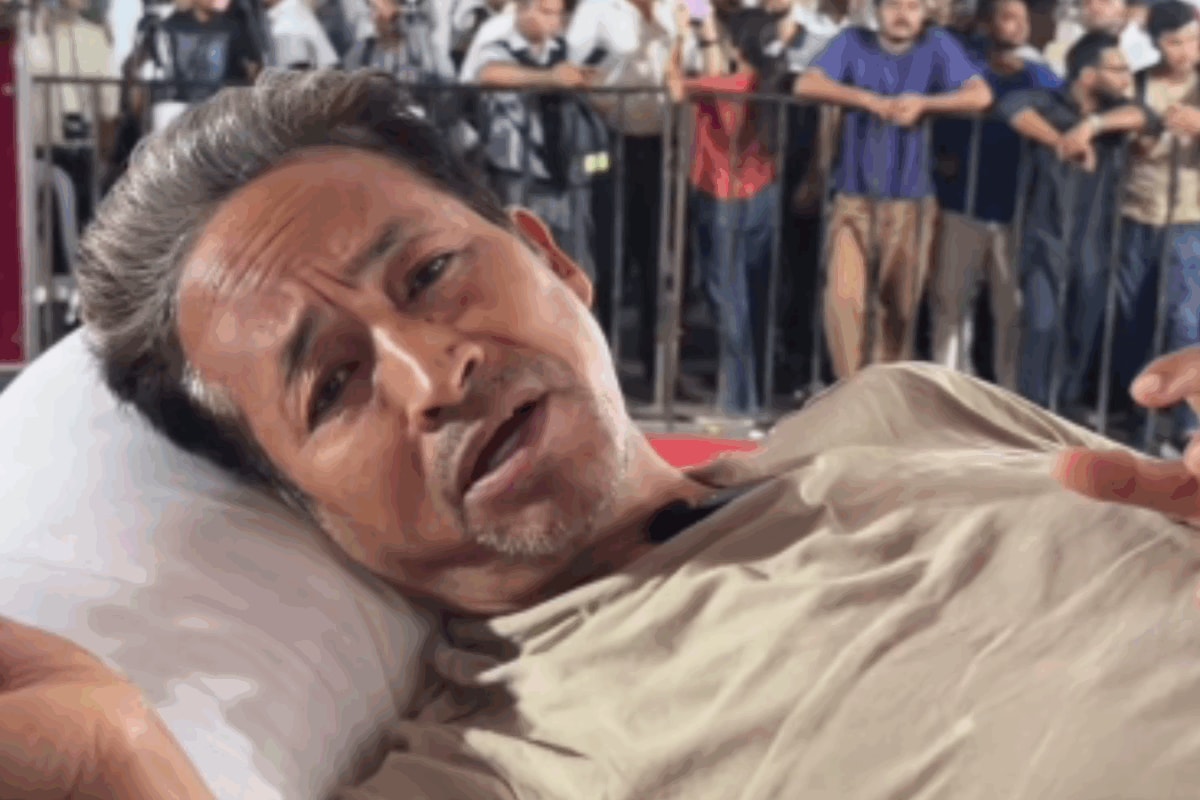
Sonam Wangchuk Has Ended Hunger Strike, But He Can Eat Normal Meals Only After 7-10 Days: Here’s Why Published By, Last Updated: July 20, 2026, 16:58 IST After weeks without food, Sonam Wangchuk is at risk of Refeeding Syndrome — a potentially fatal condition that occurs when the body's metabolism shifts abruptly Rapid Read Sonam Wangchuk. Activist Sonam Wangchuk on Monday ended his 23-day-long hunger strike as Union Minister JP Nadda met the protesters as his health deteriorated. Earlier in the day, Abhijeet Dipke, founder of the Cockroach Janta Party (CJP), also ended his indefinite hunger strike, which began on July 18, after being persuaded by the father of a NEET aspirant who allegedly died by suicide. Can Wangchuk go back to eating his normal meals now? Not for 7-10 days. The fast ends In a post on X, Nadda said the first proposal for dialogue came from the protesters earlier in the day. He said discussions began at around 11:50 am, with an initial verbal exchange followed by a detailed meeting with the delegation.
According to the minister, the protesters later submitted a written petition to him at around 4 pm. आज सुबह पहली बार प्रदर्शनकारियों की ओर से सरकार के साथ बातचीत करने का प्रस्ताव आया और सुबह 11:50 AM से ही हमारी बातचीत जारी है।सौहार्दपूर्ण वातावरण में मुलाकात हुई। उनके डेलीगेशन के साथ विस्तार से पहले मौखिक चर्चा हुई और उनके द्वारा लगभग 4 बजे मुझे लिखित याचिका दी गई। मैंने… pic.twitter.com/HLCl20RBSp — Jagat Prakash Nadda (@JPNadda) July 20, 2026 What is refeeding syndrome? Sonam Wangchuk cannot begin eating normally or immediately. After weeks without food, his body is at risk of Refeeding Syndrome — a potentially fatal condition that occurs when the body’s metabolism shifts abruptly and causes dangerous electrolyte and fluid imbalances. The process of ending a prolonged hunger strike must be carefully managed with medical supervision, say experts Days 1 to 3 (Liquids Only): Patient receives clear liquids, oral rehydration salts (ORS), watered-down fruit juices, or thin vegetable broths alongside close medical monitoring of potassium, phosphate, and magnesium levels.
Days 4 to 6 (Semi-Solids): Doctors introduce easily digestible, low-fat semi-solids like diluted rice gruel (kanji), yogurt, or pureed fruits in tiny, frequent portions. Days 7 to 10 (Soft Solids): Soft foods like boiled vegetables, dal, and khichdi are introduced, gradually increasing caloric intake if blood tests show stable electrolyte levels. Day 10+ (Normal Meals): Full regular meals, including complex carbohydrates, fats, and denser proteins, are safely reintroduced once metabolic stability is confirmed. It will typically take 7 to 10 days of careful medical refeeding before a person ending a prolonged hunger strike can safely consume a normal, solid meal. The exact timeline depends entirely on the duration of the fast, the amount of muscle mass lost, and how well the body responds to early liquids. News18 Newsletter Handpicked stories, in your inbox A newsletter with the best of our journalism submit Key Questions Answered Will Sonam Wangchuk's activism continue after his recovery? Activist Sonam Wangchuk ended his 23-day hunger strike on Monday.
 The BriefWire