China's Projects In Pakistan Are Under Pressure. What Does Balochistan Unrest Mean For India?
China's Projects In Pakistan Are Under Pressure. What Does Balochistan Unrest Mean For India? Published By, Last Updated: July 20, 2026, 16:22 IST China's multi-billion-dollar
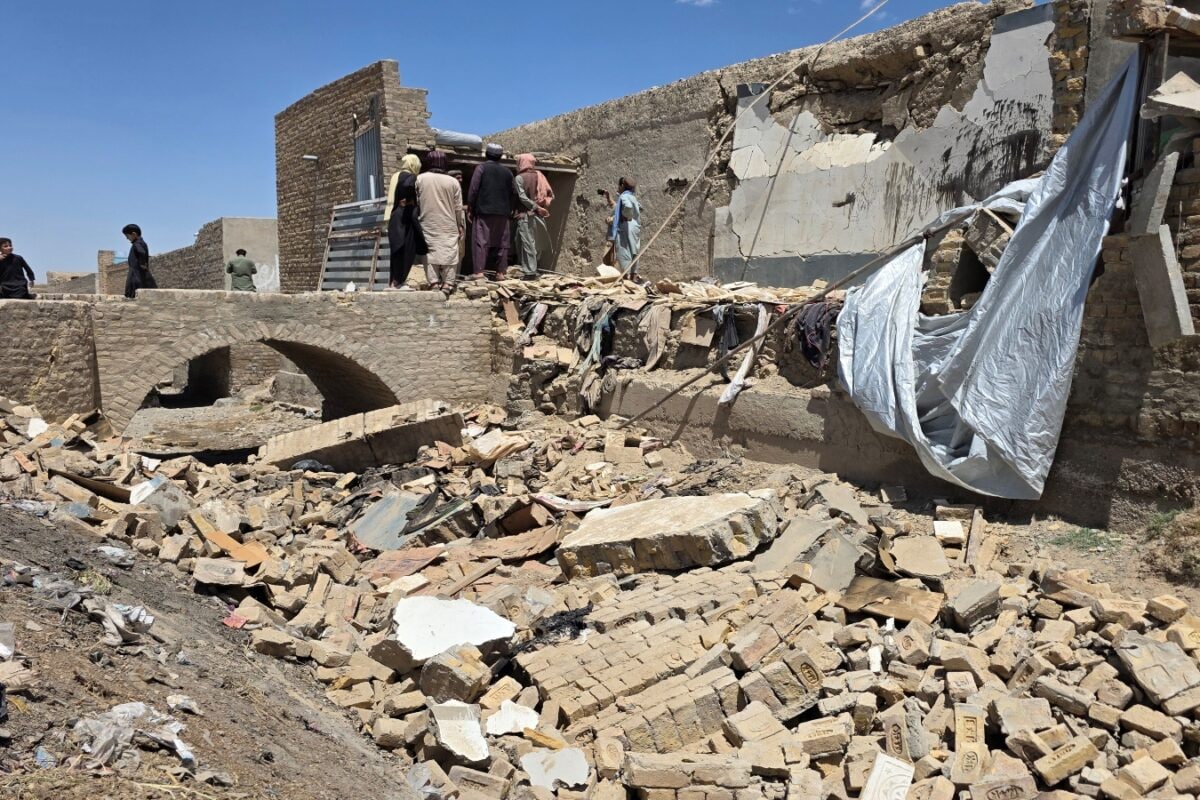
China's Projects In Pakistan Are Under Pressure. What Does Balochistan Unrest Mean For India? Published By, Last Updated: July 20, 2026, 16:22 IST China's multi-billion-dollar projects in Pakistan are facing growing security risks as violence escalates in Balochistan. Why Gwadar, CPEC matter for India, Beijing and Pakistan? People stand on the rubble of a damaged building that, according to locals residents was damaged in a cross-border shelling by Afghanistan, in Chaman, Balochistan Province, Pakistan, April 28, 2026. (Photo: Reuters) Balochistan ‘Declares Indepedence’ From Pakistan: China’s massive investments in Pakistan are coming under increasing pressure as violence in Balochistan escalates and separatist voices grow louder. Last week, Balochistan declared independence from Pakistan, adding another layer of uncertainty to a region already gripped by conflict. Balochistan has long been central to China’s ambitions because of its vast rare earth resources and strategic location. Beijing has invested tens of billions of dollars in Pakistan under the China-Pakistan Economic Corridor (CPEC), hoping to transform Gwadar into the gateway of its Belt and Road Initiative (BRI). Instead, the insurgency in Balochistan is threatening mines, highways, Chinese workers and key CPEC infrastructure. At the same time, Europe has warned Pakistan over its human rights record in Balochistan, putting the country’s preferential trade access at risk. As violence grows and international scrutiny increases, Pakistan is facing pressure from both Beijing and Brussels. The deteriorating security situation is also emerging as one of the biggest challenges for Pakistan Army chief Asim Munir. Gwadar dream under strain Gwadar Port was envisioned as the centrepiece of China’s plan to secure direct access to the Arabian Sea and strengthen regional trade under the Belt and Road Initiative. However, the port continues to struggle with weak cargo volumes, poor connectivity, high operating costs, persistent security threats and limited international shipping interest. The lack of predictable commercial traffic has weakened Gwadar’s economic promise, turning what was expected to become a thriving trade hub into more of a strategic symbol. The worsening situation in Balochistan has further complicated China’s plans by making commercial activity increasingly difficult.
CPEC faces growing security challenges The first phase of CPEC depended on secure transport routes, support from local communities and smooth logistics across the region. However, the deteriorating security environment in Balochistan has made all three increasingly difficult to guarantee. If attacks continue, China is expected to continue funding selected projects but could shift its focus towards security, redundancy and protecting existing investments instead of pursuing the original vision of an uninterrupted economic corridor. The broader concern for China is not conventional military conflict but protecting its overseas infrastructure from insurgent attacks, sabotage and political instability. Gwadar’s location near the mouth of the Strait of Hormuz makes the region strategically important for China’s long-term energy security. Any instability raises the cost of maintaining its presence in the Arabian Sea. Chinese mine warns operations may stop The security situation has now begun affecting China’s existing investments on the ground. According to a Financial Times report, Pakistan’s largest active copper and gold mine, the Chinese-operated Saindak Copper-Gold Project, has warned that worsening insurgency in Balochistan could force it to suspend operations. In a June 29 letter to Pakistan’s energy ministry, Saindak Metals Limited said the law and order situation had severely disrupted transportation of essential cargo needed for the project. The company warned that if the situation continued, uninterrupted operations could become unsustainable and the project might be forced to cease operations within a month because of shortages of production materials and logistical support. The letter also stated that road transport had become “increasingly hazardous" because of militant attacks. Saindak, leased in 2001 to China’s state-owned Metallurgical Corporation of China under a joint venture with Pakistan’s state-owned Saindak Metals Limited, is Pakistan’s largest operating copper and gold mine. The lease was extended for another 15 years in 2022. Most of the mine’s output, which accounted for the majority of Pakistan’s nearly $750 million worth of copper exports last year, is shipped to China. Violence continues to rise Much of China’s investment has been concentrated in Balochistan, a mountainous south-western province roughly the size of Germany that has witnessed a long-running separatist insurgency.
 The BriefWire