Ontavantha Pidariyum Oor Pidariyum: The story behind the proverb
There is a popular Tamil saying, “Ontavantha Pidarai, Oor Pidariai Virattiyatham,” which loosely refers to a new force displacing an older one—much like a new
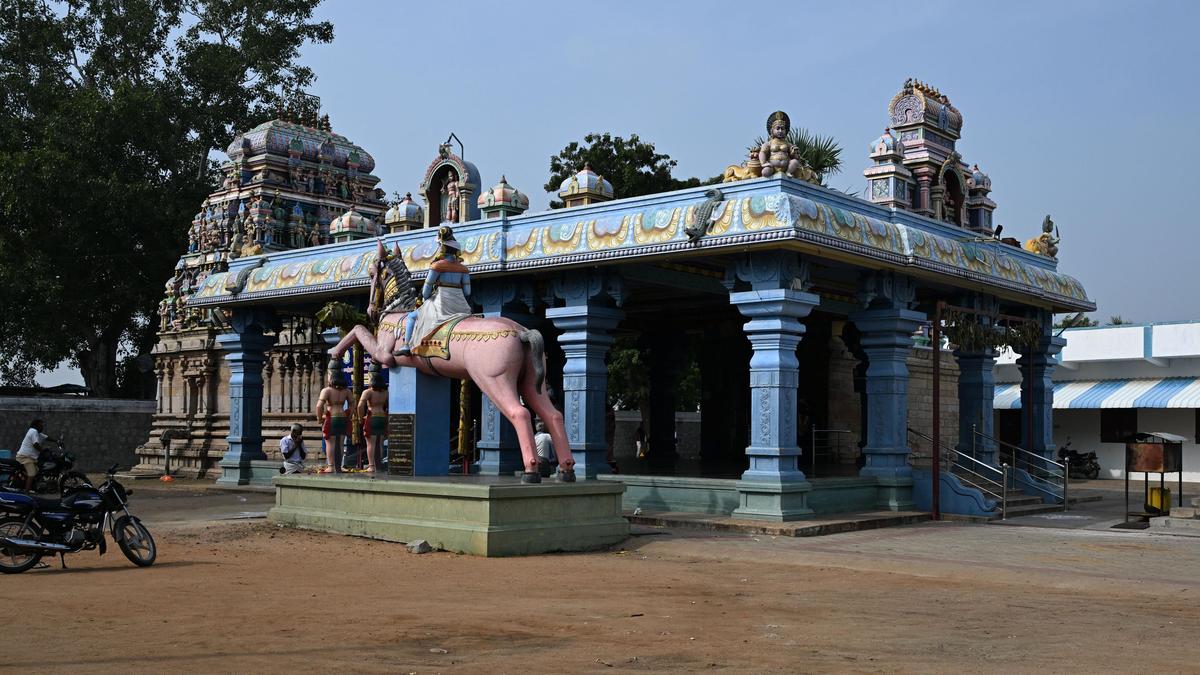
There is a popular Tamil saying, “Ontavantha Pidarai, Oor Pidariai Virattiyatham,” which loosely refers to a new force displacing an older one—much like a new entrant driving out an established presence. Pidari is a fearsome folk deity widely worshipped across Tamil Nadu. In many villages, shrines dedicated to Pidari Amman stand as symbols of protection and deeply rooted local belief systems. The proverb, however, has an intriguing historical backstory. Its origins are traced to Udayalur in Thanjavur district, according to noted epigraphist T. N. Subramanian. Known for uncovering the historical roots behind Tamil sayings and place-based legends, Subramanian documented this account as part of his extensive research. His writings have been compiled and published as T. N. Subramanian Katturaikal by the YSSR Foundation. In Udayalur, there are two Pidari temples: one located on the northern side along the banks of the Mudikondan river, and the other on the eastern side near a local tank. The deity on the riverbank is known as Chellama Kaliamman, locally referred to as Chelli or Chellaiyi. She is the family deity of many households in the region, reflected in common names such as Chellappan and Chellammal.
The deity near the tank is known as Palkulathu Amman, also called Palkulathi. The annual festival of both temples is held in the Tamil month of Panguni, beginning with the ceremonial tying of the protective amulet (kappu). The celebrations extend over eight days. While the stone idols remain permanently in their respective temples, the bronze processional idols are housed in a nearby Shiva temple and brought to the Pidari shrines during the festival. For about two weeks, the deities are taken out in elaborate processions during both day and night. A key ritual takes place on the third Wednesday of the festival, when the idol of Palkulathu Amman is taken in procession to the shrine of Chellama Kaliamman. It is here, behind the Shiva temple, that the symbolic enactment of “Ontavantha Pidari, Oor Pidariai Virattiya Sambavam” unfolds. As the procession approaches, villagers await the deity with drums and traditional musical instruments. The music abruptly stops upon her arrival. An elderly man, wearing the ritual kappu, steps forward and begins to sing, with the crowd responding in chorus, “Ayya.” After four stanzas, the thappu melam (percussion) resumes Varutha payarum chempayarum — Ayya Varutha payarum chempayarum Vaarikattina mulaipayarum — Ayya Thodutha malai thonga thonga Thurathivittalam Chellayi Subramanian notes that the villagers never allow the singer to complete the final line.
 The BriefWire