Karnataka stares at drought as monsoon falters; 21 districts record rain deficit
Karnataka is grappling with the spectre of drought after a weak Southwest Monsoon left large parts of the state parched, delaying sowing operations, reducing reservoir
Karnataka is grappling with the spectre of drought after a weak Southwest Monsoon left large parts of the state parched, delaying sowing operations, reducing reservoir levels and pushing farmers into distress. The state recorded a 30 per cent to 42 per cent rainfall deficit during the first half of the monsoon season, prompting Chief Minister DK Shivakumar to seek a central government team to assess the emerging drought situation. Read Full Story According to the state government, 21 of Karnataka's 31 districts have recorded severe rainfall deficiency, severely impacting agriculture and water resources. June alone witnessed a 42 per cent rainfall deficit, with the state receiving just 116 mm of rainfall against the normal 199 mm, making it the fourth-driest June in the last 50 years. The rainfall shortfall has been most severe in Malnad and Coastal Karnataka, with Kodagu, the Cauvery catchment district, initially recording a 63 per cent deficit. The South Interior Karnataka region has reported a 40 per cent shortfall, while North Interior Karnataka has recorded deficits ranging between 13 and 28 per cent. Though the government has not officially declared a statewide drought, farmer organisations have demanded immediate relief, including Rs 40,000 compensation per affected farmer, as standing crops begin to wither and reservoirs, including the Tungabhadra Dam, receive critically low inflows.
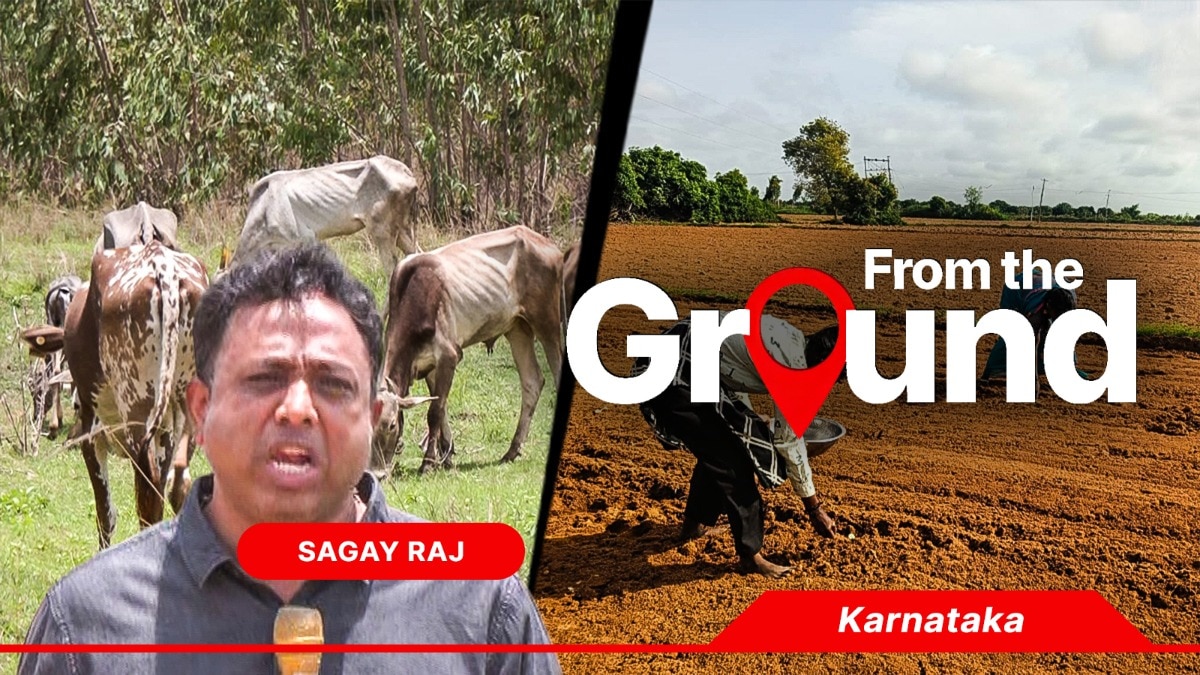
KOLAR WAITING FOR RAIN The impact of the failed monsoon is clearly visible in Thotli village of Kolar district, where farmers say the sowing season has virtually come to a standstill. The Southwest Monsoon was expected to arrive in June, but even pre-monsoon showers remained inadequate. Kolar, which has a normal annual rainfall of around 170 mm, has received only 140 mm of rain since January, leaving the district with a 15 per cent rainfall deficit. Out of the district's 85,801 hectares of cultivable land, only about 2,200 hectares have been sown so far. While initial showers encouraged farmers to prepare their fields, the prolonged dry spell has stalled sowing of crops such as red gram and groundnut. Farmers are now waiting for rains to begin sowing ragi, maize, cowpea and field beans. With more than half of July already over, farmers fear delayed sowing could significantly reduce yields during the crop's critical growth stage. Of Kolar's cultivable land, 78,286 hectares depend entirely on rainfall, making the district particularly vulnerable to a weak monsoon. "We expected the Southwest Monsoon to arrive, but both May and June failed us. Nearly 70 per cent of farmers depend entirely on rainfall. By August, our main crop, ragi, requires adequate rain, but there is none," said Ramesh, a farmer from Thotli village.
 The BriefWire