Anurag Kumar Is Delhi's New Top Cop. But It's The Last 10 Years That Tell The Bigger Story
Anurag Kumar Is Delhi's New Top Cop. But It's The Last 10 Years That Tell The Bigger Story Reported By, Edited By Last Updated: July
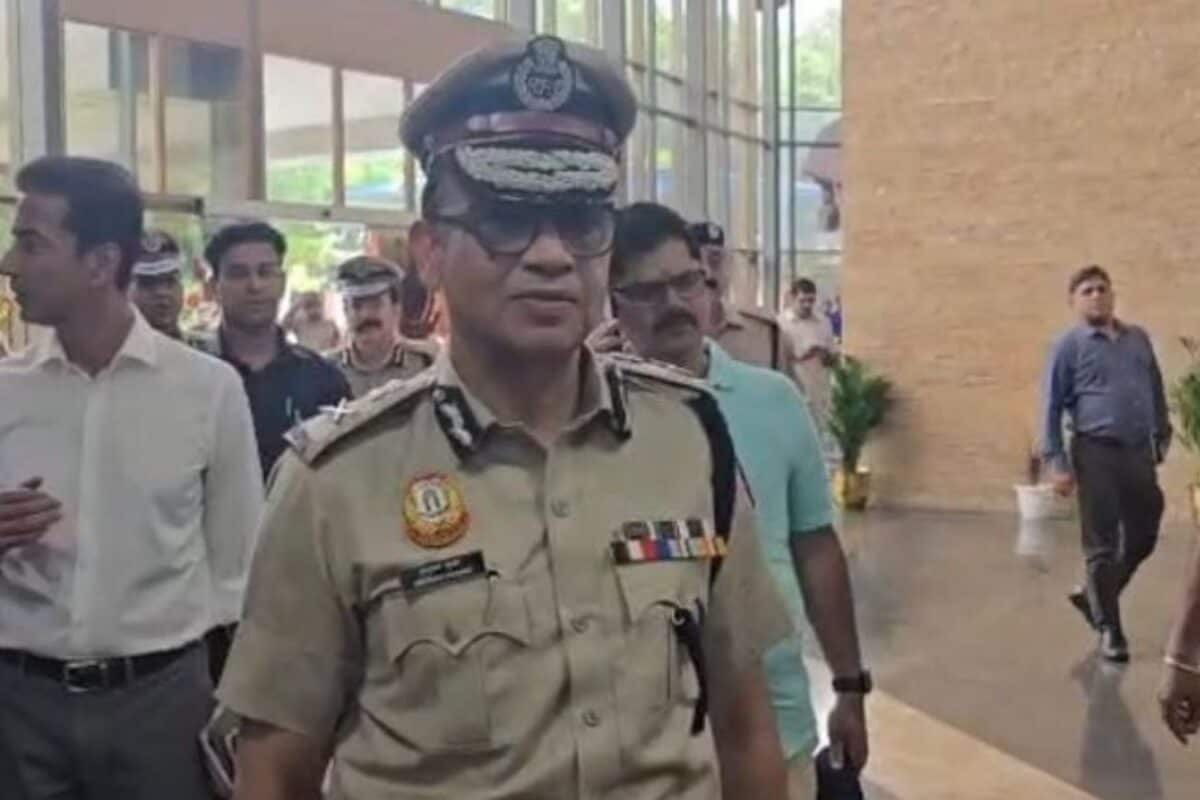
Anurag Kumar Is Delhi's New Top Cop. But It's The Last 10 Years That Tell The Bigger Story Reported By, Edited By Last Updated: July 20, 2026, 13:02 IST From abrupt exits and stop-gap chiefs to service extensions and surprise appointments, here's how Delhi Police's top post has undergone an extraordinary transformation since 2016 Rapid Read Anurag Kumar, a 1994-batch officer of the AGMUT cadre, built his career almost entirely in the intelligence establishment. For decades, becoming the Commissioner of Delhi Police was regarded the pinnacle of policing in the national capital, a post that usually came with institutional stability, power, profile, a defined tenure and expected next takers. But, since 2016, the office has witnessed a series of developments that would have been difficult to imagine in earlier decades. One Commissioner left within a year to head the Central Bureau of Investigation (CBI) before becoming part of one of India’s biggest institutional confrontations. Another presided over unprecedented public protests by serving police personnel against the backdrop of clashes with lawyers. One headed the force for nearly 15 months with only the additional charge of Commissioner before receiving a substantive appointment barely 40 days before retirement, an arrangement without precedent in Delhi Police’s recent history. Another Commissioner was appointed after a controversial service extension, while two officers were asked to hold the post only as stop-gap arrangements. Now, a serving Commissioner has been replaced before completing even a year in office. Individually, each episode may appear administrative. Together, they tell a larger story about the leadership of Delhi’s police force. Alok Kumar Verma: Brief Tenure Before A Institutional Battle Alok Kumar Verma assumed office as Commissioner of Delhi Police on February 29, 2016, but spent less than a year in the post before being appointed Director of the Central Bureau of Investigation. His Delhi tenure itself remained relatively uneventful initially but, in reality, it was the silence before the storm. His transfer later placed him at the centre of a bitter confrontation with then CBI Special Director Rakesh Asthana in one of the country’s most consequential institutional battles. His departure marked the beginning of a decade in which Delhi Police leadership would rarely follow a conventional path. The controversy also made a major dent in choosing AGMUT cadre officers for top sensitive positions.
Amulya Patnaik: Braving An Unprecedented Revolt Within the Force Amulya Patnaik completed a full three-year tenure between January 2017 and February 2020, overseeing one of Delhi’s most turbulent law-and-order periods. His tenure witnessed the anti-CAA protests, violence at Jamia Milia Islamia, the attack inside Jawaharlal Nehru University and the Northeast Delhi riots. But the most defining institutional moment perhaps came in November 2019. Following the Tis Hazari court clashes, thousands of serving Delhi Police personnel gathered outside Police Headquarters demanding action against lawyers accused of assaulting policemen. The demonstration by serving members of a disciplined force was unprecedented in Delhi Police’s history and exposed extraordinary pressure on the organisation’s leadership. Although the protest was directed against the lawyers rather than Patnaik personally, it remains one of the rare occasions when serving police personnel publicly assembled in such numbers during a Commissioner’s tenure. SN Srivastava: The Commissioner Who Wasn’t No Delhi Police Commissioner in recent decades appears to have had a more unusual administrative tenure than SN Srivastava. The Centre brought him from the CRPF as Special Commissioner just days before Patnaik’s retirement in February 2020. He was termed a trouble-shooter when Delhi was facing long protests in Jamia. He was immediately entrusted with the additional charge of Commissioner and effectively headed Delhi Police through the Covid-19 pandemic, the Delhi riots investigations and farmers’ protests. Yet, despite functioning as the city’s police chief for nearly 15 months, the government did not appoint him as the regular Commissioner. It was only on May 21, 2021, around 40 days before his retirement, did the Ministry of Home Affairs issue orders appointing him as the substantive Commissioner. The arrangement remains virtually unprecedented in Delhi Police, with no recent Commissioner spending almost an entire tenure holding only additional charge before receiving formal appointment weeks before retirement. Balaji Srivastava: A One-Month Caretaker Following SN Srivastava’s retirement, Balaji Srivastava was entrusted with the additional charge of Delhi Police Commissioner. An AGMUT cadre officer, his stint lasted less than a month before the Centre announced its next appointment, asking him to pass the baton. Such brief caretaker arrangements have been uncommon in Delhi Police, where succession has traditionally been finalised before the incumbent demitted office. Entry of Rakesh Asthana: A Commissioner Appointed Through Service Extension Rakesh Asthana’s appointment in July 2021 was itself exceptional.
 The BriefWire