Political Revolt, Separatist Surge, Economic Distress: Pakistan Battles Crisis On Multiple Fronts
Political Revolt, Separatist Surge, Economic Distress: Pakistan Battles Crisis On Multiple Fronts Reported By, Last Updated: July 20, 2026, 09:44 IST Political polarisation and regional
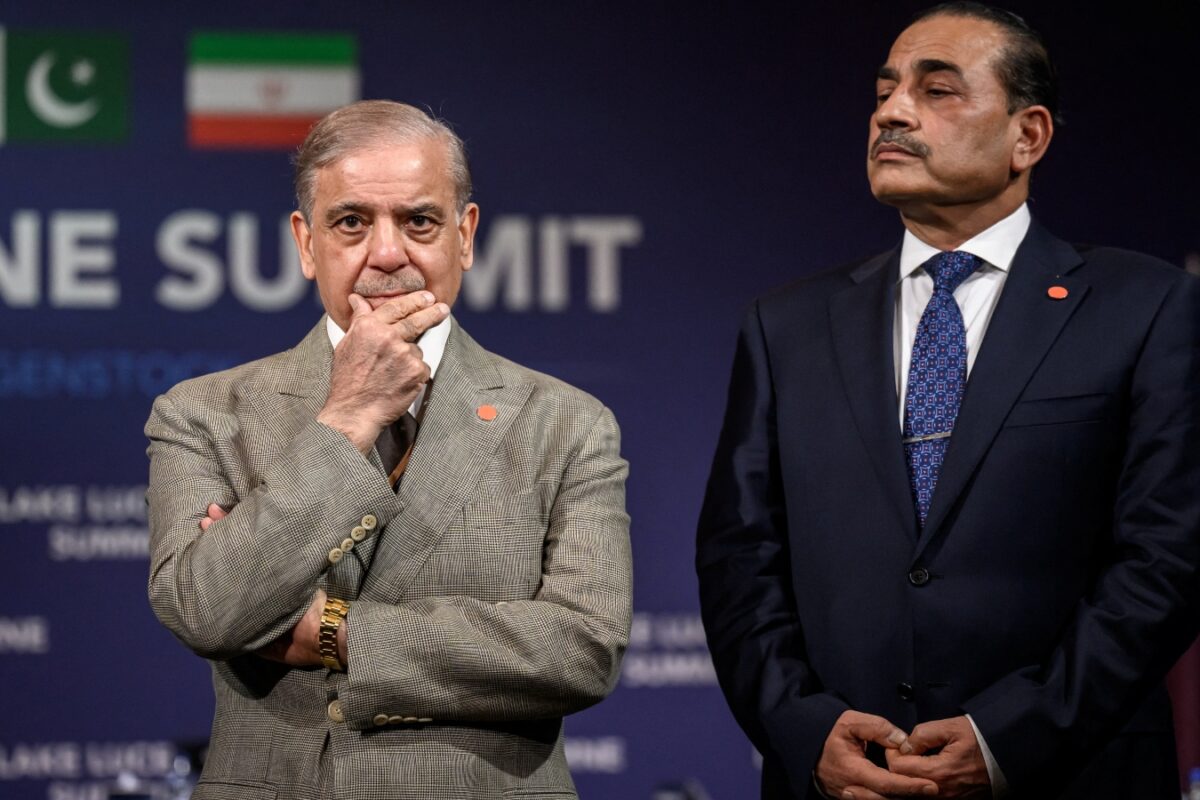
Political Revolt, Separatist Surge, Economic Distress: Pakistan Battles Crisis On Multiple Fronts Reported By, Last Updated: July 20, 2026, 09:44 IST Political polarisation and regional unrest are converging with economic distress to push Pakistan towards a deeper internal crisis. Rapid Read Pakistan's Prime Minister Shehbaz Sharif stands with Pakistan's Chief of Army Staff Field Marshal Asim Munir. (Image: REUTERS) Pakistan is confronting mounting pressure on several fronts as political confrontation, separatist movements, militant violence, economic distress and security crackdowns deepen concerns over the state’s ability to maintain control. From Gilgit-Baltistan in the north to Gwadar in the south, the country is witnessing growing public discontent, friction between political forces and the military establishment, and increasing challenges to federal authority. While official circles maintain that state institutions remain functional and the situation is being handled within constitutional limits, critics, analysts and human rights observers warn that structural cracks are widening across Pakistan. Political And Institutional Confrontation Deepens One of the most significant challenges facing Pakistan is the escalating confrontation between major political groups and the military establishment. Pakistan Tehreek-e-Insaf (PTI), led by jailed former prime minister Imran Khan, has maintained an openly hostile position towards the military leadership. Khan’s family and senior PTI leaders have repeatedly accused the establishment of engineering his removal from power, suppressing the party and denying it its electoral mandate. The continuing standoff has intensified political polarisation in Khyber Pakhtunkhwa and across the federal landscape, leaving little room for reconciliation between PTI and the current power structure. Analysts warn that the prolonged confrontation between elected representatives, opposition parties, the judiciary, the bureaucracy and the military could lead to institutional paralysis as each side disputes the constitutional limits of the other. Fazlur Rehman Opens New Front Against Military Jamiat Ulema-e-Islam-Fazl chief Maulana Fazlur Rehman has also adopted an increasingly confrontational position towards Pakistan’s military leadership. Traditionally seen as a pragmatic political player capable of negotiating with both civilian governments and the establishment, Rehman has publicly criticised Field Marshal Asim Munir and questioned the military’s security policies and handling of Pakistan’s internal crises. His influence among religious groups and communities along the Pakistan-Afghanistan border makes his defiance particularly significant. Political observers believe his criticism has opened another difficult front for the ruling coalition and the military establishment.
 The BriefWire