'Have You Ever Negotiated Thinking You Could Be Bombed?': Iran's Abbas Araghchi Opens Up On Talks With US
'Have You Ever Negotiated Thinking You Could Be Bombed?': Iran's Abbas Araghchi Opens Up On Talks With US Published By, Last Updated: July 20, 2026
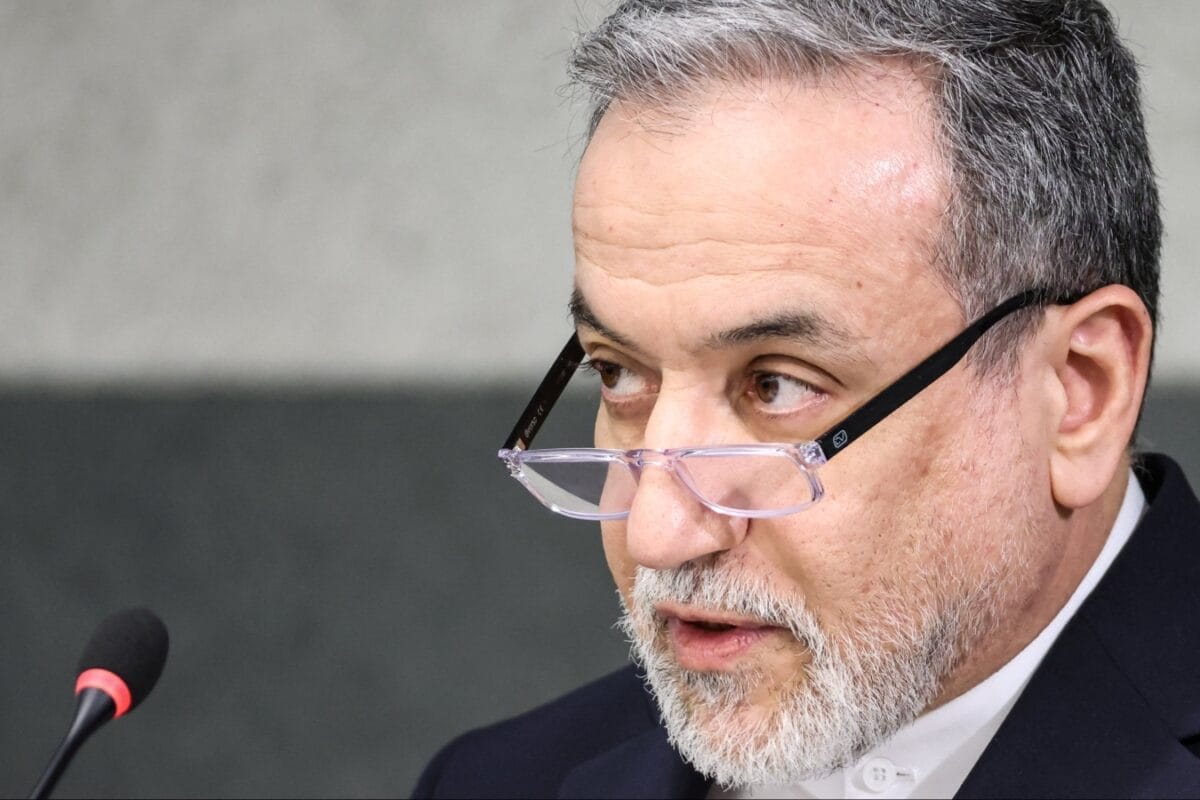
'Have You Ever Negotiated Thinking You Could Be Bombed?': Iran's Abbas Araghchi Opens Up On Talks With US Published By, Last Updated: July 20, 2026, 08:58 IST Iran FM Abbas Araghchi says Iranian negotiators feared being bombed during peace talks with the US, revealing the psychological pressure faced during talks. Iranian Foreign Minister Abbas Araghchi says Iranian negotiators held peace talks with the United States under the constant fear that their meeting could be bombed, describing the intense psychological pressure faced during the negotiations. (Photo: Reuters) Iranian Foreign Minister Abbas Araghchi has revealed the immense psychological pressure faced by Iranian negotiators during peace talks with the United States, saying his delegation conducted negotiations while fearing they could be killed in an American airstrike at any moment. Speaking in an interview with Iran’s state-linked Mehr news agency, Araghchi described the atmosphere surrounding the negotiations as one of constant danger and uncertainty, saying the Iranian team remained steadfast despite what he called relentless military pressure from Washington. Recalling one of his conversations with Steve Witkoff, US President Donald Trump’s envoy, Araghchi said he asked the American diplomat whether he had ever experienced negotiating under the fear of imminent death. “Have you ever been in a meeting where at any moment you think the whole meeting might be bombed? Have you ever been on the phone while you’re talking, you might, as they say, explode, be destroyed?
Have you ever, for example, while checking in on your family over the phone, thought to yourself this might be the last time?" Araghchi said he asked Witkoff during their discussions. The Iranian Foreign Minister said such fears were a reality for his delegation throughout the negotiations, adding that Tehran refused to allow military threats to dictate its position. “We stood our ground. You have to talk. You can’t threaten us, and you can’t bribe us," Araghchi said during the interview, as quoted by RT News. According to Araghchi, his communication with Witkoff began during nuclear-related discussions last year and has continued intermittently through both in-person meetings and direct messaging. However, Tehran has consistently maintained that these contacts should not be viewed as formal negotiations. The first indirect exchange reportedly took place in Muscat on February 6, with Omani mediators carrying messages between the two sides before Araghchi and Witkoff briefly met face-to-face. Additional rounds of discussions were subsequently held in Muscat, Rome and Geneva. In April, Araghchi also travelled to Islamabad, Muscat and Moscow for another series of talks involving Witkoff and Jared Kushner, with Pakistani authorities facilitating the diplomatic process. Besides these meetings, both sides reportedly remained in touch through direct text messages. Araghchi also rejected suggestions that military pressure could force Iran into submission, asserting that Washington fundamentally misunderstands the country’s political system.
 The BriefWire