Are OLED TVs still worth the premium in 2026?
OLEDs have a lot under the hood that makes them truly impressive screens for watching TV and movies. First, a quick rundown on how the
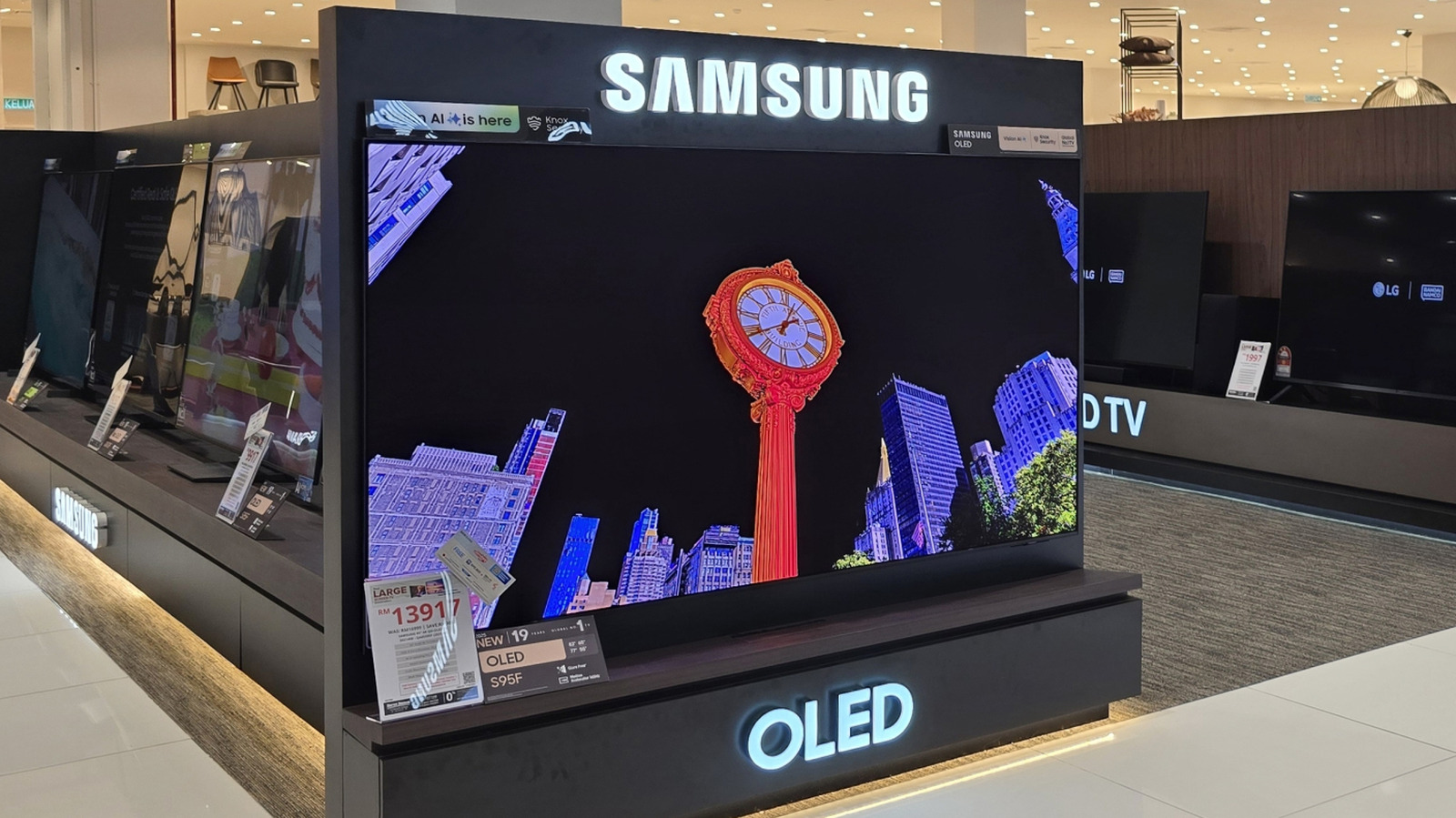
OLEDs have a lot under the hood that makes them truly impressive screens for watching TV and movies. First, a quick rundown on how the technology actually works, because that helps explain why it might just be worth the extra money. OLED stands for "organic light-emitting diode," which essentially refers to the fact that each pixel in a panel produces its own light. This means that the TV selects the color profile and the lighting level for each pixel, individually.
Compare that with LCDs, the other most common tech, which do not have light-producing pixels, but instead employ a separate backlight that shines through layers of light-filtering pixels. One of the reasons this backlight has trouble providing the color accuracy or contrast that OLEDs can is because it doesn't have the pixel-by-pixel control. In short, it has to light up a much larger area, behind many pixels at a time.
What this means in practice is that an OLED screen can show a wider range of shades and colors, going all the way down to stark black simply by shutting a pixel completely off. This control also affords OLED screens with genuinely faster response times, making them an ideal choice for gaming or fast-paced content like sports or action films. Finally, because OLED panels are more expensive to manufacture than LCD, brands often put them into their flagship models, which means you'll get high-end operating systems, modern connectivity options and thin, sleek designs.
These premium features were all shown in the latest launches from CES this year. This all may be worth it to you, depending on the style of viewer you are.
 The BriefWire