Explained: Why Uttarakhand CM Pushkar Singh Dhami Halted Tree-Felling At Dehradun's Saat Mod
Explained: Why Uttarakhand CM Pushkar Singh Dhami Halted Tree-Felling At Dehradun's Saat Mod Written By, Last Updated: July 19, 2026, 18:29 IST After days of
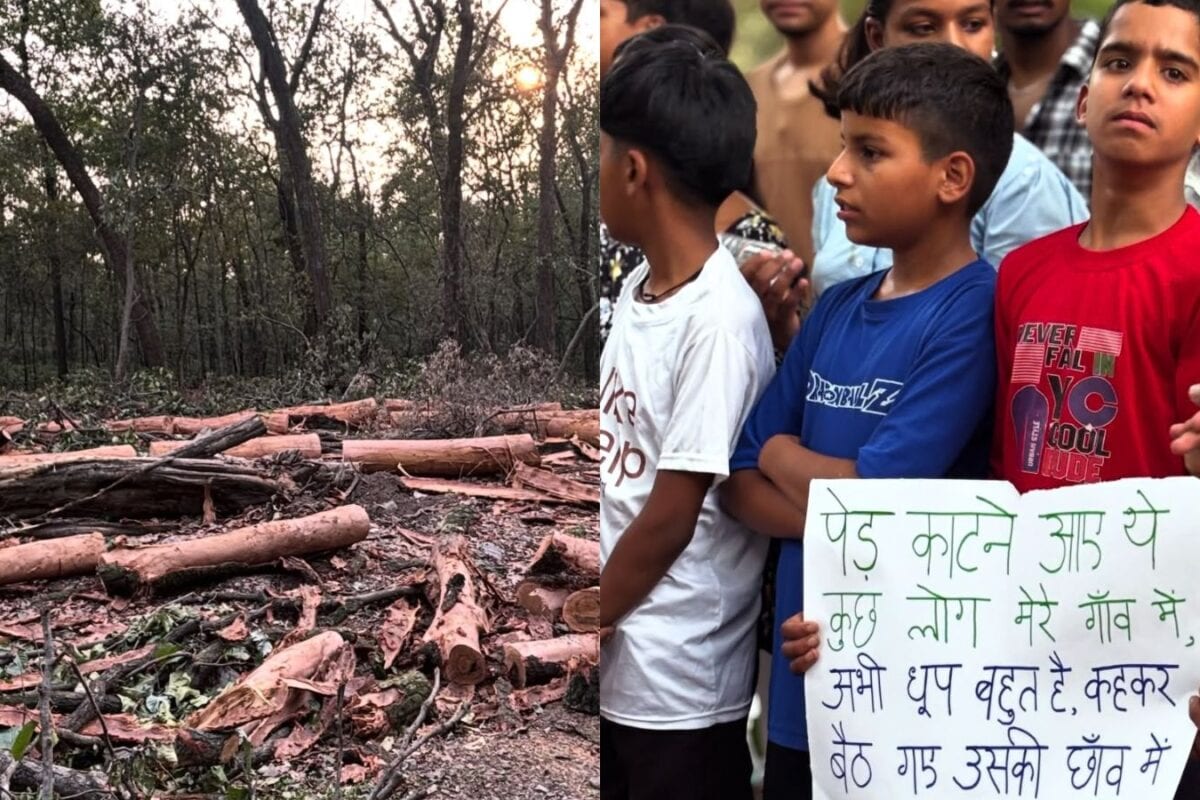
Explained: Why Uttarakhand CM Pushkar Singh Dhami Halted Tree-Felling At Dehradun's Saat Mod Written By, Last Updated: July 19, 2026, 18:29 IST After days of protests over the planned felling of thousands of trees, Uttarakhand CM Pushkar Singh Dhami has halted the exercise at Dehradun's Saat Mod. Rapid Read A young protester holds a placard during a demonstration against tree-felling at Dehradun's Saat Mod. (Photo: Instagram) A growing public outcry over the planned felling of thousands of trees in Dehradun’s Saat Mod forest stretch has prompted Uttarakhand Chief Minister Pushkar Singh Dhami to intervene. On Saturday, the chief minister announced that tree-felling for the Bhaniyawala-Rishikesh four/si lane highway project would remain suspended until the government holds fresh discussions with residents, environmentalists, experts and other stakeholders. Sharing the decision on X, Dhami said development remains a priority but cannot come at the cost of public sentiment, environmental concerns and local interests. He directed officials to restart consultations and said the project would move ahead only after a consensus is reached. देहरादून–ऋषिकेश फोर/सिक्स लेन परियोजना को लेकर पिछले कुछ दिनों से अनेक नागरिकों, पर्यावरण प्रेमियों एवं स्थानीय लोगों द्वारा व्यक्त की जा रही चिंताओं और सुझावों का मैंने गंभीरता से संज्ञान लिया है.यह परियोजना भारतीय राष्ट्रीय राजमार्ग प्राधिकरण (NHAI) की एक महत्वपूर्ण अवसंरचना… — Pushkar Singh Dhami (@pushkardhami) July 18, 2026 The move came after days of protests, with environmental groups and residents demanding that authorities reconsider the large-scale removal of trees from one of Dehradun’s most prominent forest stretches. Saat Mod, The Green Gateway To Dehradun Saat Mod, which literally translates to “Seven Bends," is a forested stretch along Highway-7 between Bhaniyawala and Rishikesh. Lined with mature sal trees, the route serves as one of the major entry points to Dehradun and passes through an ecologically rich landscape. The area is part of an important wildlife habitat and falls along an elephant movement corridor, making it environmentally significant. Besides elephants, the forests support several species of birds, deer, monkeys and other wildlife. For locals, Saat Mod has become more than just a road. It represents one of the city’s remaining green buffers at a time when rapid urbanisation and infrastructure projects continue to reshape the Doon Valley.
The Highway Project Behind The Controversy At the centre of the debate is the 20-kilometre Bhaniyawala-Jolly Grant-Rishikesh highway widening project, being built by the Highways Authority of India (NHAI) under the Hybrid Annuity Mode (HAM) at an estimated cost of Rs 743 crore. According to NHAI, the existing two-lane road carries nearly 18,500 vehicles daily, with traffic expected to rise because of tourism, airport connectivity and the Char Dham Yatra. The authority says widening the road will ease congestion, improve road geometry, reduce accidents and make travel safer for residents and visitors. The Saat Mod Project Bhaniyawala: Jolly Grant Rishikesh stretch on Highway-7. Dehradun Project Length: Approximately 20 km. Project Cost: ₹743 crore. Execution Model: Hybrid Annuity Mode (HAM). Trees Affected: 4,369. Trees Proposed To Be Felled: 3,605. Trees Proposed For Transplantation: 754. Daily Traffic On Existing Road: Around 18,456 vehicles. Elephant Underpass Planned: Approximately 3.5 km. Compensatory Afforestation: 40 hectares of non-forest land transferred to the Forest Department. Key Objective: Improve connectivity between Dehradun, Rishikesh and Jolly Grant Airport, while easing traffic for the Char Dham Yatra. When 4,369 Trees Became The Flashpoint The project drew widespread criticism after plans emerged to remove 4,369 trees from the forest stretch. Of these, 3,605 are proposed to be felled, while 754 will be transplanted. The announcement triggered protests from residents, environmentalists and civil society groups, who argued that losing thousands of mature sal trees would permanently alter the region’s fragile ecosystem. The protests gained further momentum during Uttarakhand’s annual Harela festival, traditionally dedicated to trees and environmental conservation. Instead of celebrating, activists observed “Black Harela", gathering at Saat Mod to protest the tree-felling and demand alternative solutions. A Forest, An Elephant Corridor And Growing Environmental Concerns Environmentalists say the issue goes beyond the number of trees being cut. The forest forms part of an important elephant corridor connecting wildlife habitats in the region. Activists fear that widening the highway could fragment habitats, increase human-animal conflict and affect the movement of elephants and other wildlife. NHAI, however, maintains that the project has incorporated several mitigation measures based on recommendations from the Uttarakhand Forest Department, WWF-India and the Wildlife Institute of India.
 The BriefWire