Nearly 150 turtles washed ashore after a brutal Canadian winter
Image: AI Generated Scientists finally solved the mystery of nearly 150 dead turtles in one lake Scientists ruled out disease, pollution and predators Sudden weather
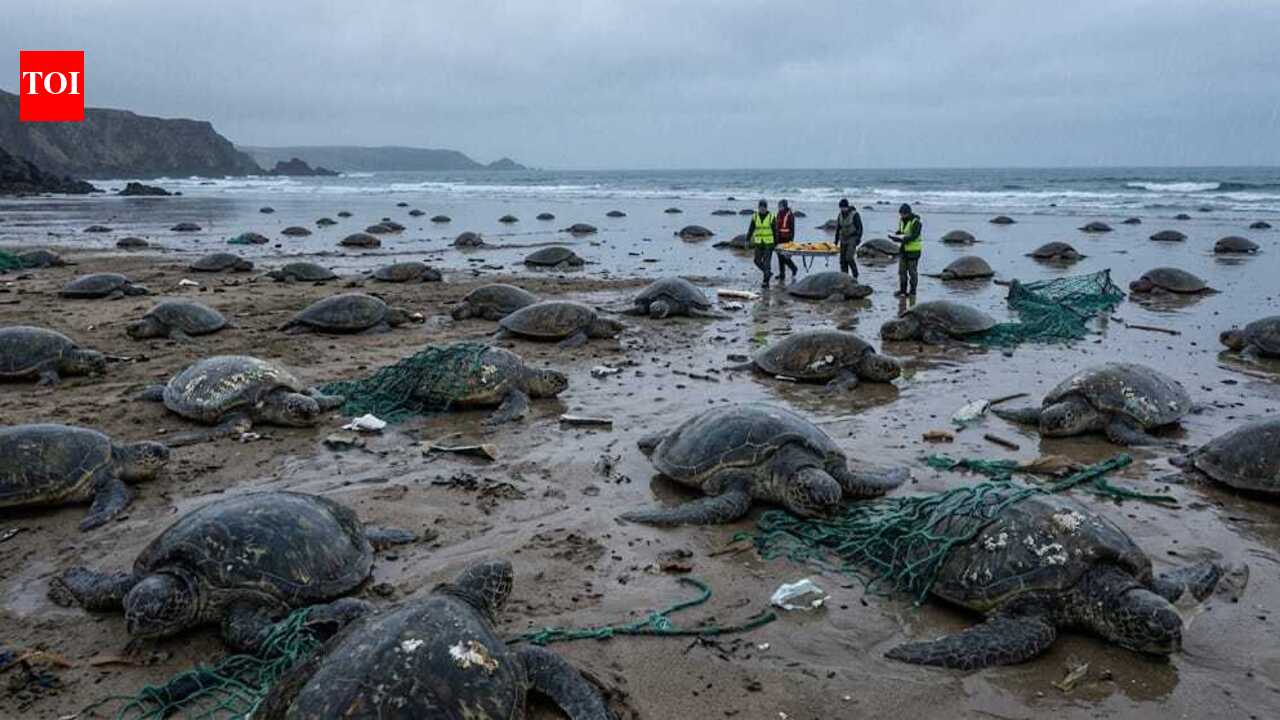
Image: AI Generated Scientists finally solved the mystery of nearly 150 dead turtles in one lake Scientists ruled out disease, pollution and predators Sudden weather swings followed an unusually harsh winter Why climate change could make similar events more common Why losing adult turtles matters A warning for freshwater ecosystems In April 2022, a routine field survey on a quiet Canadian lake turned into one of the most puzzling wildlife investigations in recent years.What first appeared to be the isolated death of a freshwater turtle soon escalated into a grim discovery involving nearly 150 carcasses scattered along the shoreline. The incident left scientists searching for answers, as there were no obvious signs of disease, pollution or human interference.The discovery has since revealed how even resilient species can be vulnerable to rapidly changing environmental conditions. Reported by Laura Paddison for CNN and investigated in depth by Jason Bittel for Geographic, the event has become a stark reminder that climate-driven changes are reshaping freshwater ecosystems in unexpected ways.The discovery was made by Gregory Bulté, a biologist at Carleton University, during fieldwork on Opinicon Lake in eastern Ontario.As reported by CNN, Bulté noticed a dead northern map turtle (Graptemys geographica) lying in shallow water. Named for the intricate markings on its shell that resemble the contour lines of a map, the species is commonly found in large rivers and lakes across eastern North America.When Bulté bent down to retrieve the turtle, he spotted another nearby.Then another.
Over the following days, repeated shoreline surveys uncovered more and more carcasses until the count approached 150 dead turtles.For researchers who had monitored the lake's turtles for years, the discovery was unprecedented. Northern map turtles are long-lived reptiles that can survive for several decades. Adult females, which are much larger than males, do not begin breeding until they are around 10 to 15 years old. Because they mature slowly and produce relatively few young that survive to adulthood, the sudden loss of so many adults could have lasting consequences for the local population.The mystery prompted an extensive investigation involving veterinarians, ecologists and wildlife experts.According to Geographic, researchers carefully examined the carcasses to determine whether disease, toxic contamination, boat strikes, illegal harvesting or predation could explain the die-off. Many turtles underwent necropsies, the animal equivalent of an autopsy.The evidence pointed away from the usual suspects. The turtles showed no evidence of widespread infectious disease, no signs of poisoning, and no injuries consistent with collisions or predator attacks. Water quality tests also failed to identify pollutants capable of causing such a large-scale mortality event.Instead, scientists began examining the lake's environmental conditions during the months before the turtles died.The investigation eventually pointed towards a combination of environmental stresses rather than a single catastrophic event.During the winter of 2021-2022, Opinicon Lake remained covered by thick ice for an unusually long period. Northern map turtles spend winter underwater in a state similar to hibernation, known as brumation, during which their metabolism slows dramatically.
 The BriefWire