Why New York, Washington And Toronto Are Among The World's Most Polluted Cities
Why New York, Washington And Toronto Are Among The World's Most Polluted Cities Published By, Last Updated: July 19, 2026, 14:16 IST Toronto, New York
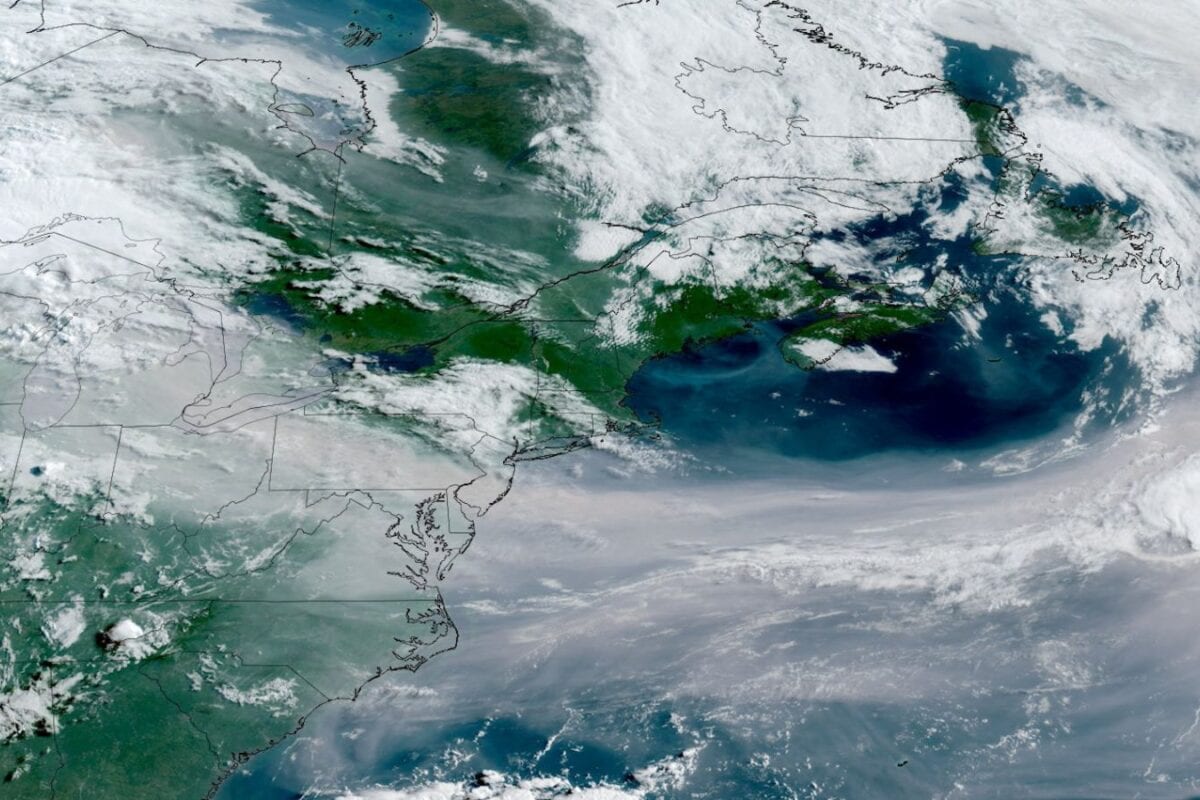
Why New York, Washington And Toronto Are Among The World's Most Polluted Cities Published By, Last Updated: July 19, 2026, 14:16 IST Toronto, New York and Washington ranked among the world's most polluted cities as smoke from hundreds of Canadian wildfires spread across North America. Rapid Read A satellite image shows lingering smoke from Canadian wildfires over multiple regions in North America. Photo Credit: REUTERS Hundreds of wildfires burning across Canada have blanketed parts of Canada and the United States in thick smoke, sending air pollution levels soaring and prompting health advisories across several major cities. On Saturday, Toronto, New York and Washington DC ranked among the world’s most polluted cities as smoke drifted south from the fires in northern Ontario. Authorities urged residents to limit outdoor activities as hazardous air quality spread across large parts of North America. While officials said fire activity in Ontario had begun slowing, many blazes remain out of control, forcing evacuations and destroying homes and other infrastructure. One of the hardest-hit areas was the Namaygoosisagagun First Nation in northern Ontario, where officials said the wildfire swept through the community with little warning, leaving it “completely levelled". Where Are The Wildfires Burning? According to the Canadian Interagency Forest Fire Centre, 955 wildfires are currently active across Canada, with nearly 200 burning in Ontario. Several fires are concentrated north of Lake Superior in remote areas near national parks and First Nation communities. South of the border, more than a dozen wildfires are burning across northern Minnesota, prompting authorities to declare an emergency to support firefighting operations.
Six communities in Ontario remain under evacuation orders as officials continue to assess damage. How Did The Fires Spread So Quickly? Experts say a combination of extreme heat, prolonged dry weather and strong winds created ideal conditions for the wildfires to grow rapidly and spread across large areas. According to the US Interagency Fire Center and Natural Resources Canada, northern Ontario experienced sustained hot weather toward the end of June, along with below-average rainfall, leaving forests unusually dry and highly vulnerable to fire. The situation has been worsened by a heat dome a high-pressure weather system that traps hot air near the ground. Besides driving temperatures higher, it also traps smoke in the atmosphere, allowing it to linger over affected regions for longer periods. The prolonged heat dries out soil, trees and vegetation, turning them into fuel for wildfires. At the same time, unstable weather associated with the heat dome can generate strong winds, helping flames spread more quickly and carrying thick smoke hundreds of kilometres beyond the fire zones. Wildfires are a common occurrence in Canada’s vast boreal forests, but officials say the number of outbreaks has increased sharply in recent weeks as these weather conditions intensified. Smoke Triggers Health Warnings Across North America Satellite imagery showed smoke drifting southeast from Ontario toward Toronto, New York State and Boston. Air-quality monitoring company IQAir ranked Toronto, New York and Washington DC among the world’s most polluted cities on Saturday due to the wildfire smoke. Health authorities warned residents to avoid strenuous outdoor activity, stay indoors where possible and wear well-fitting N95 masks when outside.
 The BriefWire