Russians Are Falling Back In Love With Cash And That's Bad News For Putin. Here's Why
Russians Are Falling Back In Love With Cash And That's Bad News For Putin. Here's Why Published By, Last Updated: July 19, 2026, 13:39 IST
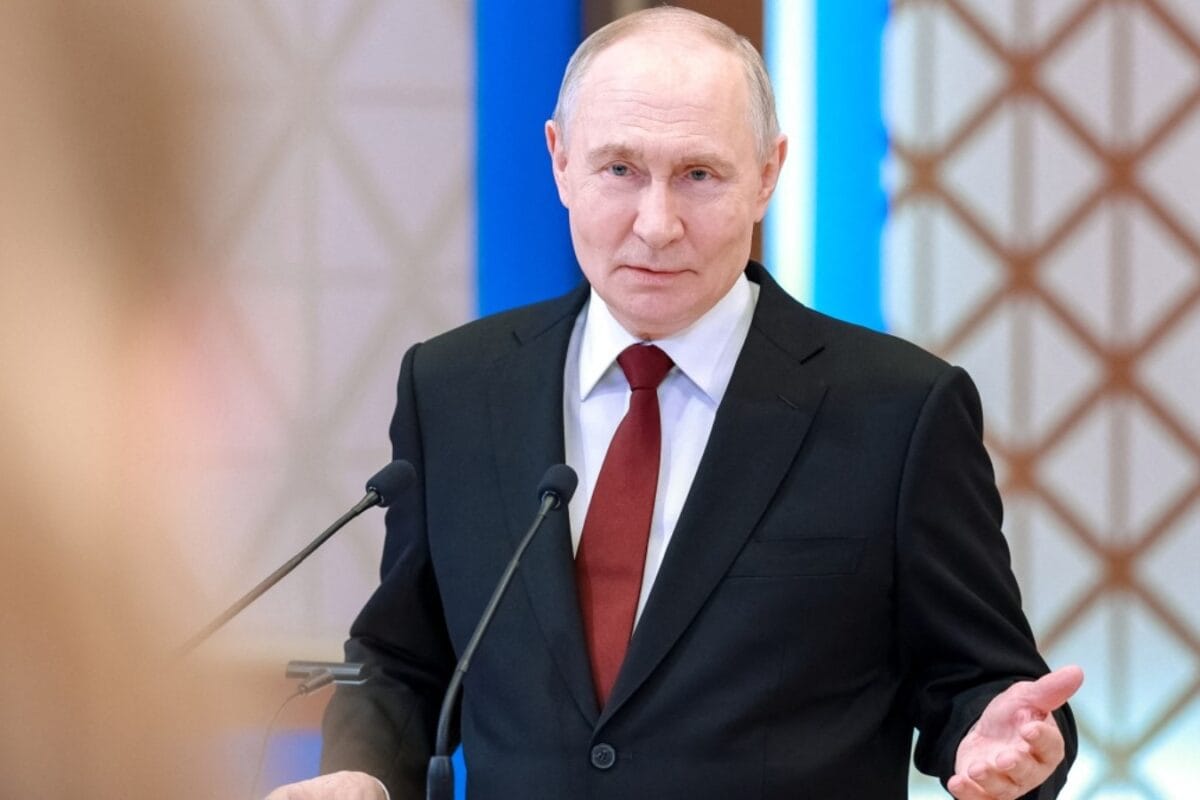
Russians Are Falling Back In Love With Cash And That's Bad News For Putin. Here's Why Published By, Last Updated: July 19, 2026, 13:39 IST According to data from Russia's Central Bank, cash in circulation has increased by 1.56 trillion roubles (around $20 billion) since the start of 2026. Rapid Read Russia's President Vladimir Putin (AFP photo) More than four years into the war in Ukraine, Russians are increasingly turning back to cash, driven by repeated mobile internet shutdowns, economic uncertainty and growing efforts by businesses to avoid higher taxes. According to data from Russia’s Central Bank, cash in circulation has increased by 1.56 trillion roubles (around $20 billion) since the start of 2026- the largest rise for this period in any year outside the Covid-19 pandemic. The shift comes as Ukrainian drone attacks continue to target Russian territory, prompting authorities to regularly suspend mobile internet services across large parts of the country. The shutdowns, intended to disrupt drone operations, have also left many consumers unable to make digital payments. Internet Blackouts Drive Cash Comeback Russia was once seen as one of Europe’s most advanced cashless economies, with QR-code and card payments widely used.
But repeated wartime disruptions have triggered a renewed preference for physical currency. The latest jump follows earlier spikes in cash withdrawals after major wartime events, including President Vladimir Putin’s partial military mobilisation in 2022 and the Wagner Group mutiny in 2023. This time, however, the trend is being reinforced by broader economic pressures. With Russia’s economy slowing and taxes rising, many small businesses are reportedly encouraging customers to pay in cash. The Kremlin increased VAT from 20% to 22% in January and lowered the threshold at which small and medium enterprises must pay the tax. Pharmacies, beauty salons, restaurants and market vendors are among businesses increasingly favouring cash transactions, which can make it easier to underreport revenue and avoid tax liabilities. Shadow Economy Concerns Grow Russian officials have acknowledged signs of a growing shadow economy. Taras Skvortsov, chief financial officer of Russia’s largest bank Sberbank, recently warned of “very serious signs" that more businesses were paying wages unofficially in cash. “We are not seeing cash return to the banking system through cash collection, ATMs or self-service terminals," he said, adding, “It is staying in people’s hands." A survey by Russia’s largest small-business association, Opora Russia, found that about 6% of entrepreneurs had turned to “grey schemes" to cope with the new tax burden, including avoiding receipts and shifting transactions off the books.
 The BriefWire