Can Indian IT industry reinvent itself?
For decades it seemed Indian IT could only grow. The Y2K bug turbocharged their initial expansion in the late 1990s, and though later waves of
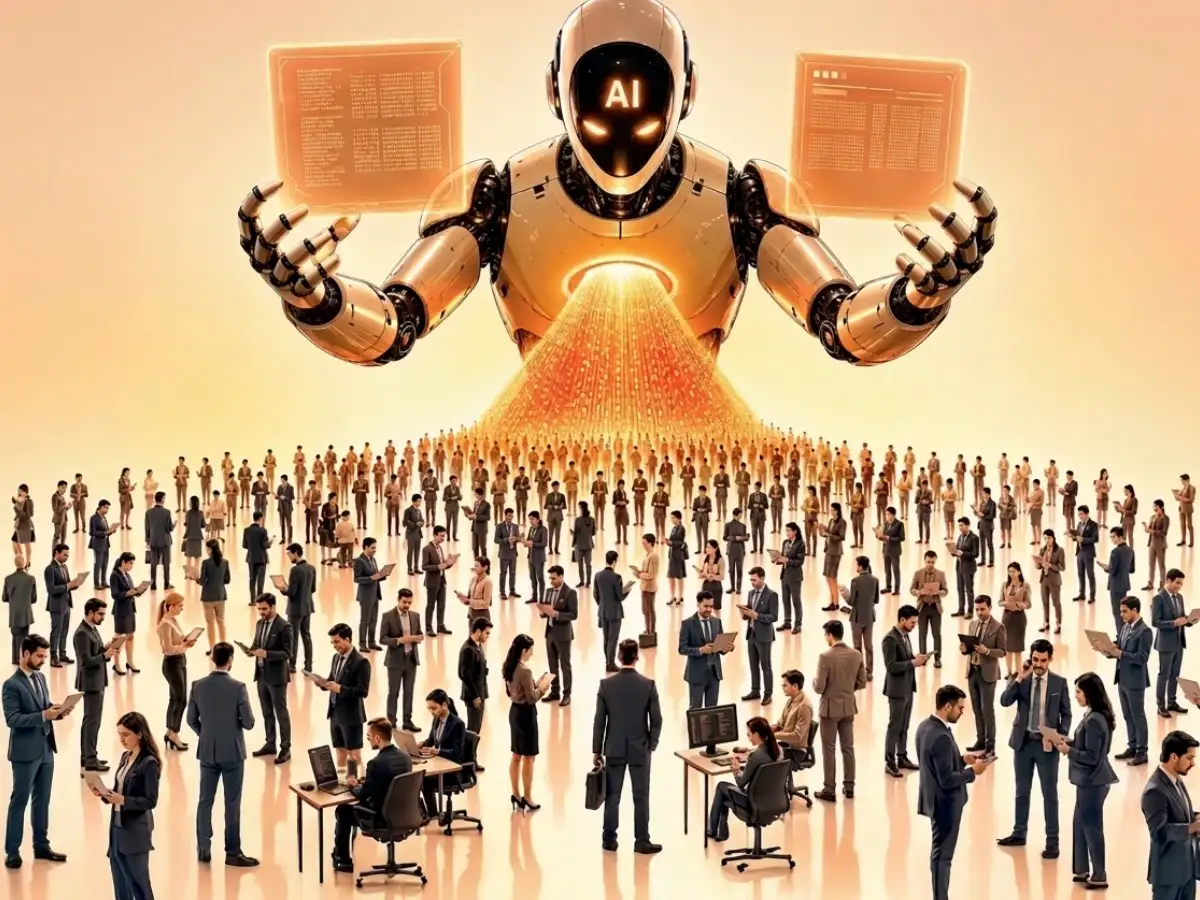
For decades it seemed Indian IT could only grow. The Y2K bug turbocharged their initial expansion in the late 1990s, and though later waves of changing technologies brought down other companies (remember Nokia), the Indian IT sector surfed to success.With every new technology, they pivoted. From SMAC (social, mobile, analytics and cloud) to SaaS (software as a service), they trained and retrained hundreds of thousands of employees to deliver what clients wanted. When the risk of commoditisation grew, threatening their margins, they doubled down on engineering freshers and even moved science graduates to some roles such as basic testing.The last round of automation, which threatened to take a chunk out of their business, failed because the licences for robotic process automation were more expensive than freshers’ annual salary. And the industry fought off claims that they were on their deathbed.So when Sam Altman unveiled ChatGPT to the world in November 2022, it was initially just another new technology they thought they would need to adopt. But this time things were different. Enterprise technology typically moves slowly but companies wanted GenAI and the benefits (read cost savings) it could bring about as soon as possible and IT companies have rushed to comply.Every single IT company has the same AI strategy cut jobs, partner with OpenAI, Anthropic, or Palantir, change how they bid for projects, run and charge for them.But three years on, a deeper problem remains. Indian IT’s structure and culture was built around throwing people at a problem and managing the challenges that came with it. The rise of AI is making that irrelevant.“Most IT services firms understand the strategy. They know AI will change delivery, pricing, talent models and client expectations. The harder part is changing the culture that made them successful in the first place,” says PhilFersht, CEO of the consultancy HFS Research.PYRAMID MODELWhen the Indian IT industry was just an upstart in the 1980s and ’90s, its founders and early employees came out of some of the best engineering colleges NR Narayana Murthy had an M Tech from IIT-Kanpur, Nandan Nilekani went to IIT-Bombay. FC Kohli, who cofounded Tata Consultancy Services, earned his degree in electrical engineering from Queen’s University in Canada.Their success came not just from starting the sector, but scaling it. Just as Henry Ford revolutionised the automobile industry with his moving assembly line, Indian IT’s breakthrough was in industrialising the IT business. Growth and scale meant putting in place structures and processes to deliver a high level of technology services but, this time, with freshers from tier-2 colleges from small towns no fancy skills or degrees were required.132489276This was the birth of the pyramid model.
 The BriefWire