Flight Of Capital: How Pakistan's Rise To Number 1 On Global Terrorism Index Is Scaring Off Investors | Exclusive Details
Flight Of Capital: How Pakistan's Rise To Number 1 On Global Terrorism Index Is Scaring Off Investors | Exclusive Details Reported By, Last Updated: July
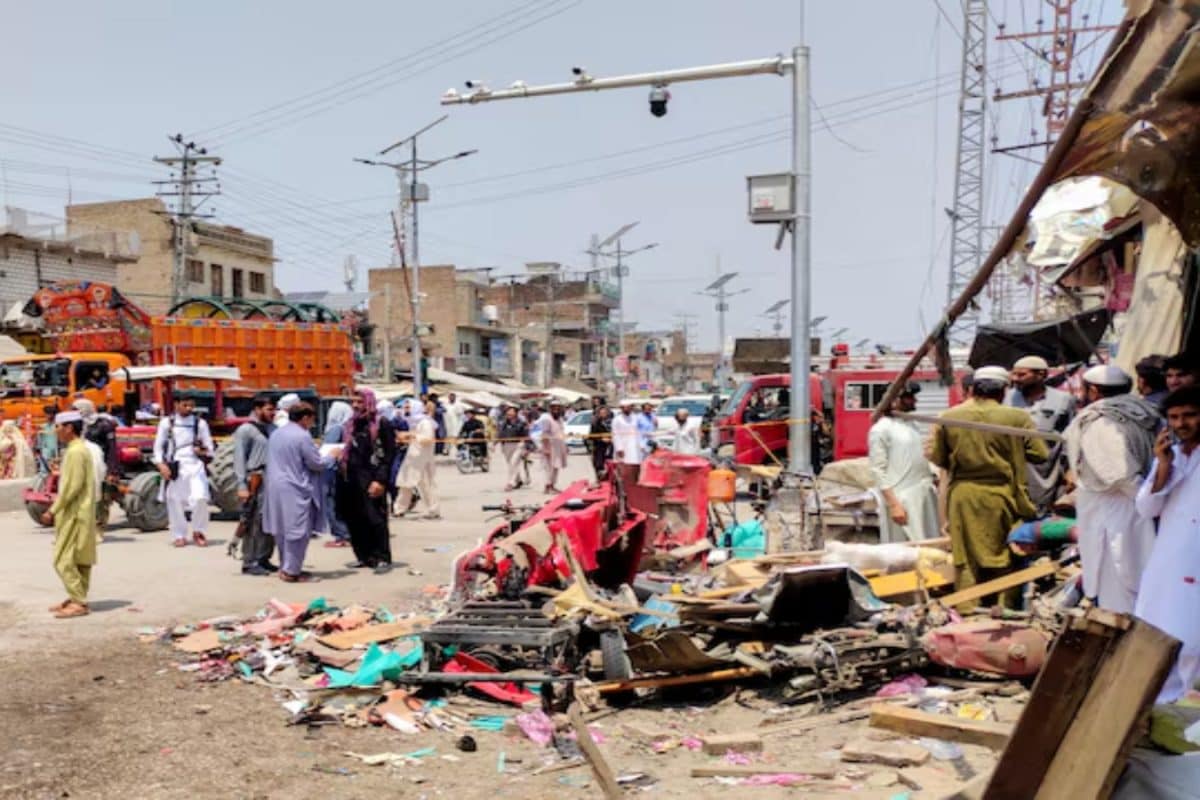
Flight Of Capital: How Pakistan's Rise To Number 1 On Global Terrorism Index Is Scaring Off Investors | Exclusive Details Reported By, Last Updated: July 19, 2026, 01:33 IST The primary flashpoint for this geopolitical and economic anxiety remains the highly volatile province of Balochistan The security situation deteriorated in July 2026, when a wave of three major coordinated terrorist attacks struck within a compressed four-day window, resulting in the deaths of 42 civilians and security personnel. (Representational photo: Reuters) The Pakistani government and its military establishment are facing unprecedented domestic and international pressure as escalating internal security crises begin to trigger a severe flight of foreign capital. For the first time since its inception, the Global Terrorism Index (GTI) has ranked Pakistan at number one, overtaking nations like Burkina Faso to designate it as the country most heavily impacted by terrorism globally. This deteriorating security landscape has directly jeopardised critical economic lifelines, leaving the state struggling to assure international partners that their assets and personnel can be adequately safeguarded.
The chilling effect on foreign direct investment is already visible across the country’s vital energy and infrastructure sectors. In the Thar desert, global giants Shanghai Electric and China Machinery Engineering Corporation (CMEC), which manage massive coal extraction projects, are threatening to halt operations due to an increasingly volatile security environment paired with systemic administrative complexities. The pressure on the government has been further compounded by warnings from specialised extraction ventures, including China Pakistan Juxin Mica Mines and Apex Mining Company, both of which hold active mineral registrations across Pakistan. Meanwhile, the crisis has already claimed casualties in the corporate sphere, with the Hangeng Group completely withdrawing its operations from Gwadar due to a combination of mounting local challenges. The primary flashpoint for this geopolitical and economic anxiety remains the highly volatile province of Balochistan. In early 2026, the region experienced a staggering 104 per cent surge in violence-linked deaths, culminating in a 13-year regional high of 443 fatalities in just one quarter. The security situation deteriorated even more acutely in July 2026, when a wave of three major coordinated terrorist attacks struck within a compressed four-day window, resulting in the deaths of 42 civilians and security personnel.
 The BriefWire